Power Shift in South Sudan Signals Deeper Economic Storm
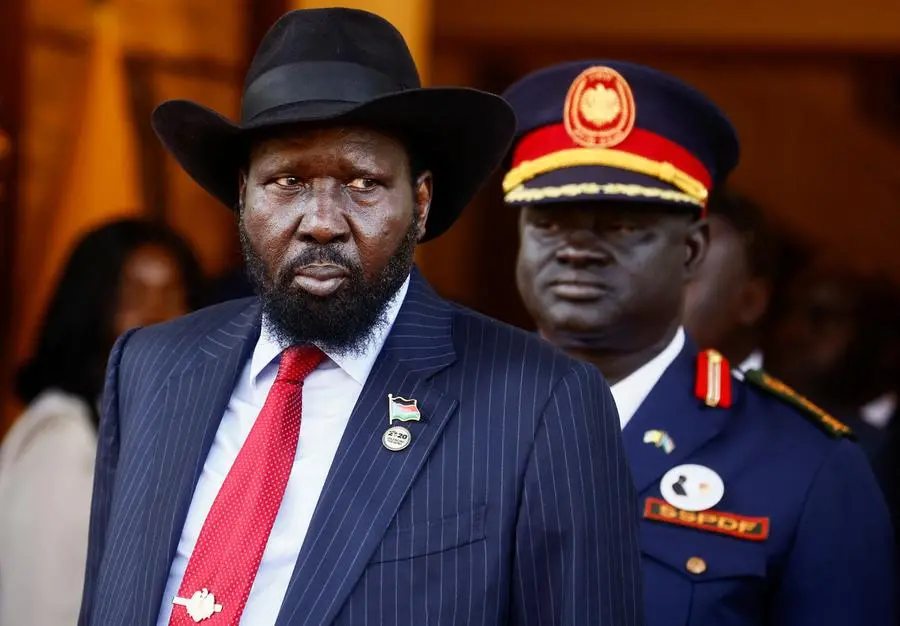
President Salva Kiir of South Sudan has removed his top military, police, and banking chiefs amid growing economic turmoil and security concerns.
The shake-up reveals cracks in Africa’s youngest nation as it struggles with plummeting oil revenues and rising inflation. The military changes included General Paul Nang Majok replacing Santino Deng Wol as army chief.
Meanwhile, Abraham Peter Manyuat assumed the role of police inspector general. At the central bank, Johnny Ohisa Damian stepped in as the new governor. These swift changes came without official explanation.
The timing proves crucial. South Sudan’s economy faces a projected 5% decline in 2024, largely due to disrupted oil exports. A damaged pipeline that carries 70% of the country’s crude through neighboring Sudan remains unrepaired, cutting off vital revenue.
The South Sudanese pound continues to lose value, driving up basic living costs for citizens. Recent violence adds to the instability.
A shootout at former intelligence chief Akol Koor Kuc’s residence left four dead last month. While officially labeled a “misunderstanding,” the incident highlighted tensions within security forces.
South Sudan’s Fragile Stability
These internal conflicts threaten the fragile peace agreement signed in 2018. The humanitarian impact speaks volumes. Two-thirds of South Sudan‘s population now needs urgent aid.
Widespread flooding has displaced over 735,000 people this year. Meanwhile, nearly 800,000 refugees from Sudan’s civil war have crossed the border, straining already limited resources.
Oil remains South Sudan’s lifeline, funding most government operations. The current crisis exposes the dangers of this dependency. Without functioning pipelines or stable oil prices, the government struggles to pay salaries or provide basic services.
President Kiir’s leadership changes appear aimed at maintaining control during this perfect storm of challenges. However, the real test lies in whether these new appointments can address the underlying economic and security issues that threaten South Sudan’s stability.
This article was produced by The Rio Times’ automated newsroom system. How we use AI · Report an error · Editorial responsibility: Matthias Camenzind, Editor-in-Chief
Part of our ongoing coverage
Africa: The New Scramble — the great-power contest over the continent.