Portugal’s Prime Minister Faces Confidence Vote Amid Scandal
Portugal’s Prime Minister Luís Montenegro announced on Wednesday that he will submit his year-old minority government to a parliamentary confidence vote.
This decision follows mounting pressure over allegations involving Spinumviva, a consultancy firm owned by his family. The controversy could lead to the government’s dismissal and potentially trigger the third early election since 2022.
At the center of the crisis is Spinumviva, which Montenegro founded in 2021 during a hiatus from politics. The firm reportedly earned €415,000 ($69,167) in 2022 through contracts with private companies, including Solverde, a casino and hotel group.
Solverde has been paying €4,500 ($750) monthly for compliance services since mid-2021. Critics argue these contracts may have improperly benefited Montenegro, who transferred ownership of the company to his wife and children in 2022.
The opposition claims this transfer is invalid under Portuguese law, as assets acquired after marriage are considered jointly owned. Montenegro denies any conflict of interest, stating that his government has been transparent.
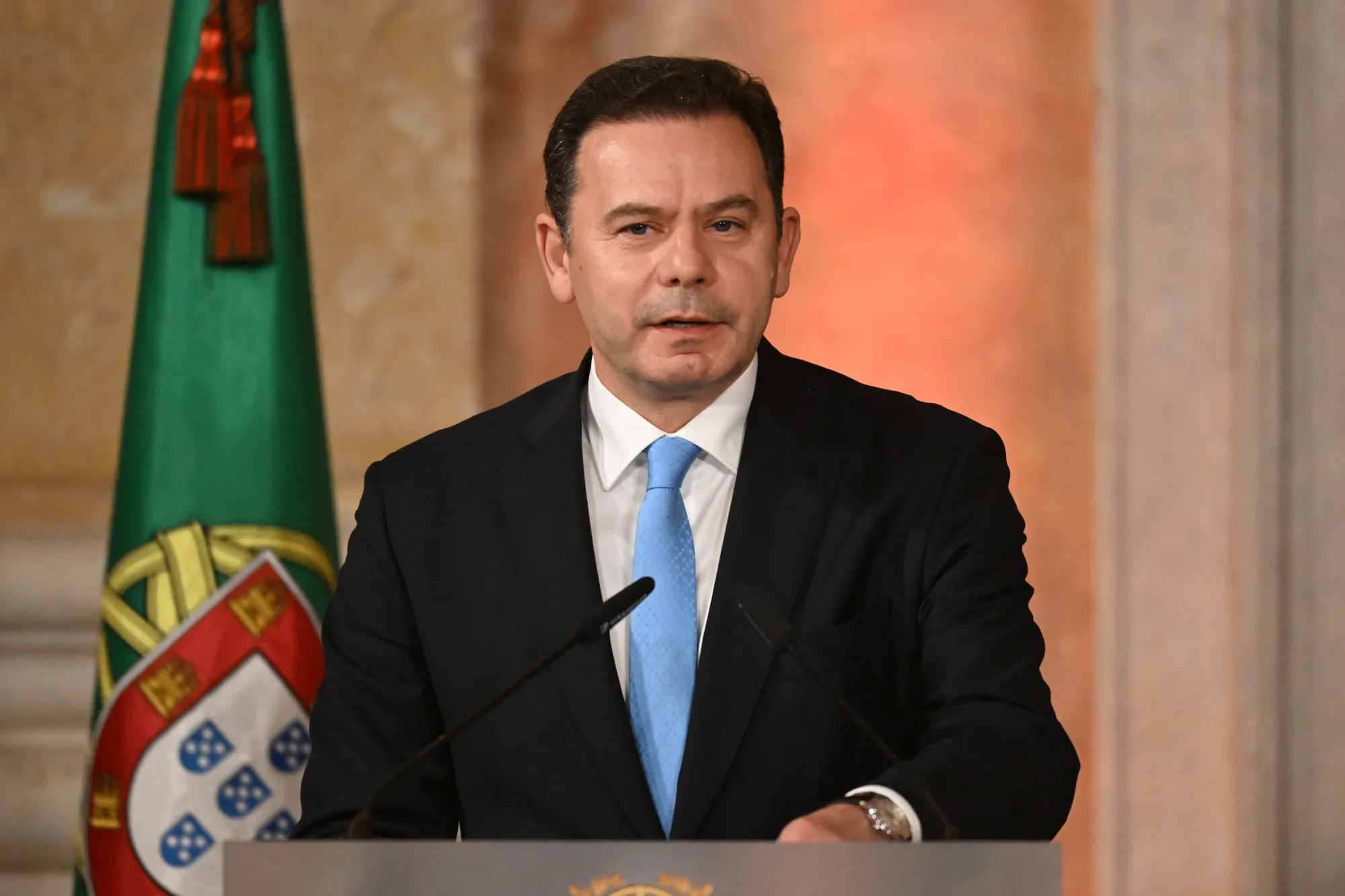
“The country needs political clarity,” he told parliament. He criticized opposition parties for creating political instability and said his party is ready for elections if necessary.
Portugal’s Political Crisis
The Socialist Party (PS) and far-right Chega, which together control over half of parliament’s 230 seats, have declared they will vote against the motion.
If the motion fails, the constitution mandates the government’s resignation. Historically, only one of eleven confidence motions has led to a government’s dismissal since Portugal’s return to democracy in 1974.
President Marcelo Rebelo de Sousa could dissolve parliament and call early elections if Montenegro’s government falls. Currently, Montenegro’s center-right coalition holds 80 seats, while PS has 78 and Chega controls 50.
The political turmoil comes as Portugal prepares for municipal elections and faces economic challenges despite recent growth. Montenegro has defended his administration’s achievements but acknowledged that another election could further destabilize the country.
The confidence vote underscores deeper tensions within Portuguese politics and raises questions about governance amid ethical scrutiny. The outcome will determine whether Montenegro can weather this storm or if Portugal heads to yet another election cycle.
This article was drafted with automated assistance and reviewed before publication. How we use AI · Report an error
Read More from The Rio Times