U.S. Targets Foreign Officials in Visa Crackdown on Illegal Immigration
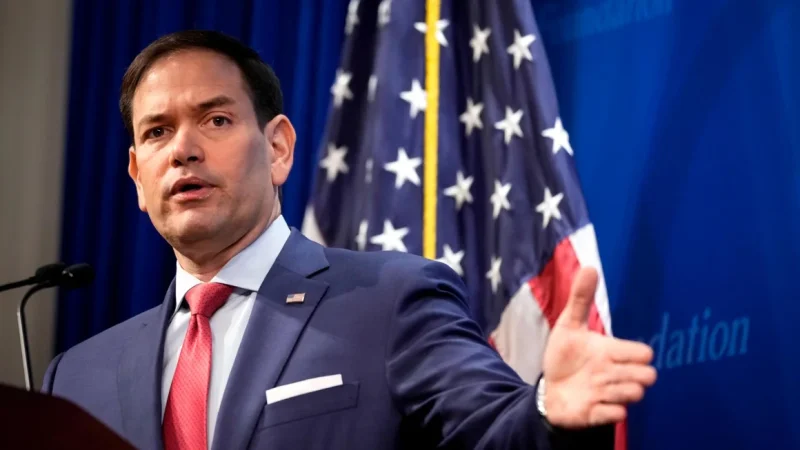
On March 5, U.S. Secretary of State Marco Rubio announced a sweeping visa restriction policy aimed at foreign officials and individuals accused of facilitating illegal immigration.
This move marks an aggressive step in the Trump administration’s efforts to curb unauthorized migration, particularly across the Southwest border.
Rubio’s policy targets officials from immigration, customs, airport, and port authorities who knowingly assist migrants attempting to enter the United States unlawfully.
It also applies to individuals who fail to enforce existing immigration laws or implement policies that enable illegal transit.
“Securing our nation’s borders is critically important to making America safer, stronger, and more prosperous,” Rubio stated, emphasizing that countries along migratory routes must take responsibility for deterring illegal movement.
The visa restrictions complement existing measures against private sector actors who provide transportation services tailored for undocumented migrants.
These sanctions are grounded in U.S. immigration laws that allow visa denial for actions deemed detrimental to American foreign policy.
This announcement comes amid broader efforts by the Department of Homeland Security (DHS) to intensify immigration enforcement.
DHS recently deputized 600 special agents from the Diplomatic Security Service to assist in arresting and deporting undocumented migrants.
U.S. Immigration Policy
Additionally, a multimillion-dollar advertising campaign launched last month warns migrants to self-deport or face deportation with a ban on reentry.
These ads are distributed internationally and domestically via radio, broadcast, digital platforms, and hyper-targeted social media outreach.
The administration’s actions reflect mounting pressure to address illegal immigration effectively. Daily deportations currently range between 300 and 1,100 but fall short of quotas set at 1,200–1,400 per day.
To meet annual goals exceeding one million deportations, daily rates would need to surpass 2,700. Rubio’s announcement also highlights diplomatic challenges.
By holding foreign governments accountable for enabling illegal migration, the policy risks straining international relations.
This could affect nations whose officials are targeted. The initiative underscores the administration’s stance that migration management requires global cooperation.
This visa restriction policy signals a toughened approach to border security and migration enforcement while addressing economic and political concerns tied to unauthorized entries into the U.S.
This article was produced by The Rio Times’ automated newsroom system. How we use AI · Report an error · Editorial responsibility: Matthias Camenzind, Editor-in-Chief