Italy Sends 500 Troops to Milan Under New Decree

ITALY · ANALYSIS
Key Facts
- —What is happening Italy has deployed 500 additional soldiers to Milan through December 31, 2026, under a new security decree after violent clashes, looting and property damage in the city centre.
- —Why it matters The decree introduces a new offence for violent participation in demonstrations, punishable by up to five years in prison and a fine of up to €20,000, signalling a harsher protest-security policy.
- —Who is who Prime Minister Giorgia Meloni leads the government response; Interior Minister Matteo Piantedosi was identified as responsible for public-order matters in the reported government response; Defence Minister Guido Crosetto oversees the military contingent; President Sergio Mattarella reportedly opposed giving soldiers arrest powers.
- —What to watch Parliament must convert the decree within 60 days of its approval on October 20, 2026, or it lapses; the additional troop deployment is authorised only through December 31, 2026.
- —What it means for you US travellers and students in Milan should expect heavier security around central squares and retail streets, faster police intervention at demonstrations, and potential legal consequences for conduct interpreted as participation in disorder.
Italy’s Milan troops protest decree deploys 500 additional soldiers through December 31, 2026, and creates a new offence for violent demonstration participation carrying up to five years in prison and a €20,000 fine. For US travellers, students and firms, the measure means a visibly tougher security environment in central Milan, with faster intervention and heavier legal exposure around protests.
Italy, the eurozone’s third-largest economy and a top destination for American tourists and study-abroad students, is tightening its protest-security framework after a weekend of disorder in Milan. This analysis explains what the decree allows, whether it marks a genuine turn toward harsher security policy, and what US readers should expect.
What Triggered the Decree
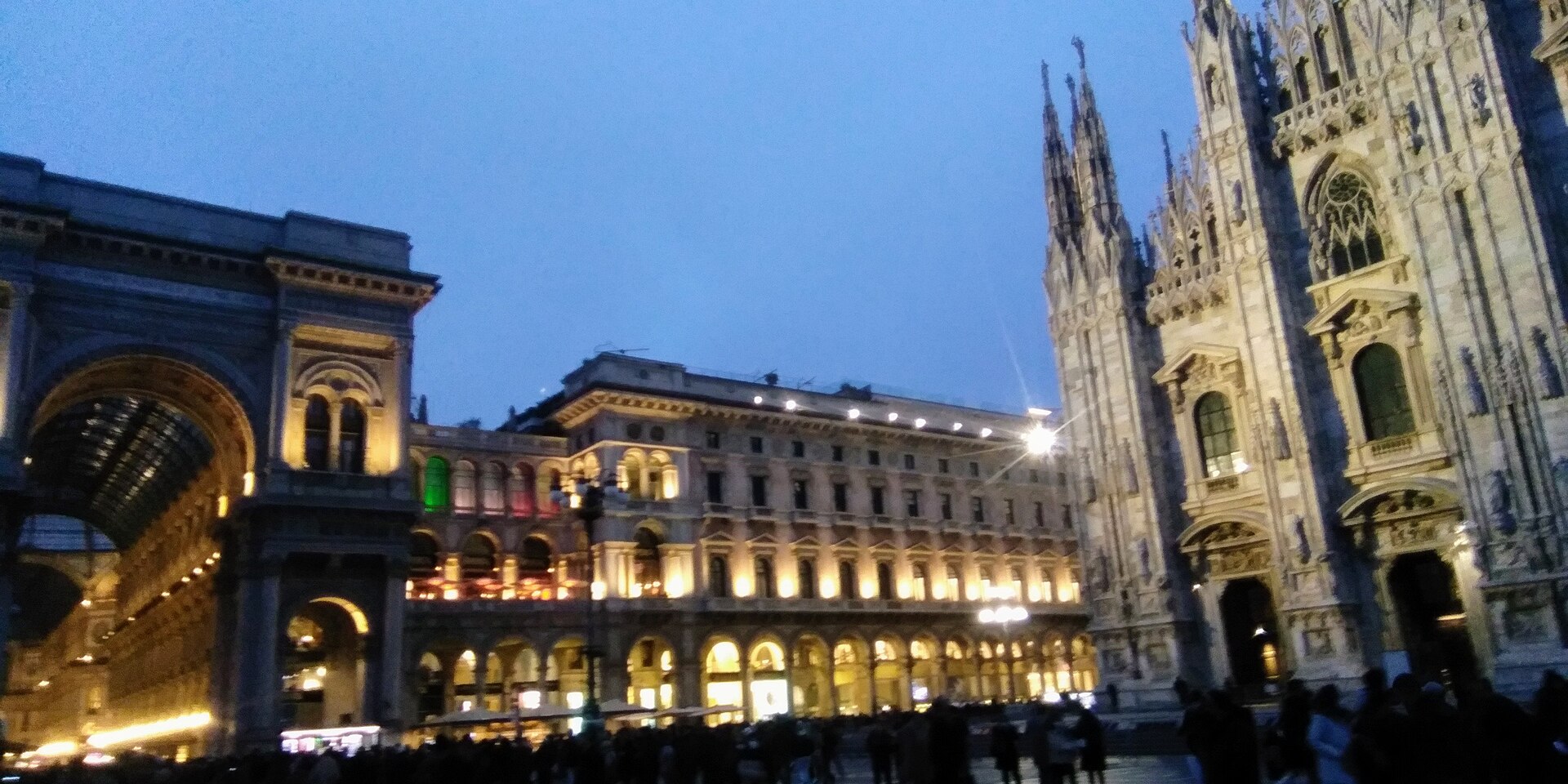
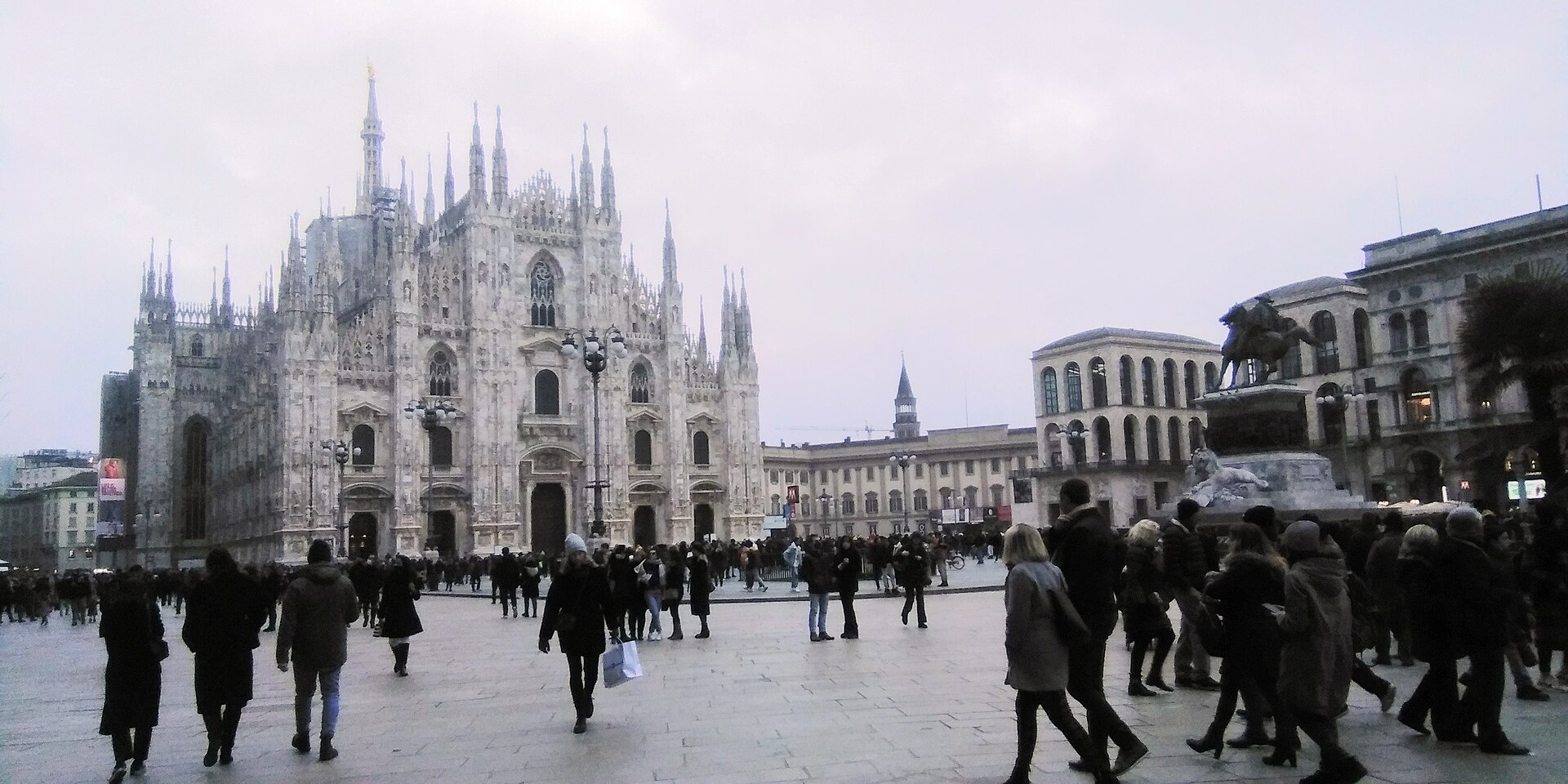
The immediate trigger was a weekend of violence in Milan following a demonstration over the rising cost of living. Disorder and looting affected the area around Piazza Duomo and Via Torino, including central retail streets.
What the “Decreto Cortei” Allows
The decree introduces several significant legal changes. It creates a new offence for violent participation in a demonstration, punishable by up to five years in prison and a fine of up to €20,000.
It establishes criminal and financial liability for property damage connected with protests, with parents potentially liable for damage caused by their minor children.
The decree makes prosecution of minors aged 14 and over easier, reportedly presuming that they understand their actions unless the contrary is demonstrated.
The package includes restrictions on leaving home or gathering, reportedly extending preventive measures beyond the immediate context of a formal demonstration. It also authorises additional personnel under the “Strade Sicure” operation, including the 500 soldiers sent to Milan until the end of the year.
The precise legal effect will depend on the official text and on parliamentary conversion. Italian decree-laws take immediate effect but must be converted by Parliament within 60 days or lapse; the reported measure was therefore subject to parliamentary amendment or rejection.
What the Soldiers Can and Cannot Do
The government initially considered giving the additional troops broader judicial-police powers, including arrest authority.
They do not independently arrest people or manage violent demonstrations.
That distinction matters for visitors and businesses. The deployment is primarily a visible deterrent and force-multiplier, not the creation of a military-run policing system.
Is This a Turn Toward Harsher Security Policy?
Yes, although it is better understood as an escalation of an existing policy than as a wholly new model. Italy already uses the Strade Sicure operation to deploy armed forces in support of urban security, including protection of sensitive sites and territorial patrols.
The Milan decision expands that model in response to a specific episode and adds criminal, preventive and financial consequences for protest-related violence. The harder turn has three dimensions: broader criminal exposure, greater use of evidence after the event, and more direct consequences for minors and families.
Protest violence can now lead to lengthy prison sentences and substantial fines, with enhanced punishment for masked participants and cases involving injury.
The policy also raises civil-liberties questions: the reported provisions on preventive detention, gathering restrictions and broader liability could affect people who are present near a disorderly event without having participated in violence.
The reported decision not to give soldiers general arrest or crowd-control powers appears to be an institutional compromise.
The Actors and What Each Wants
Giorgia Meloni has been Italy’s prime minister since 22 October 2022, leads the governing centre-right and presented the measures as necessary to restore order and protect Milan’s residents, retailers and visitors. Deputy Prime Minister Matteo Salvini announced the extra 500 soldiers and described them as necessary to “defend Milan.”
Within the government, the disagreement over military powers also shows that the policy is not internally uniform.
Economic and Business Stakes
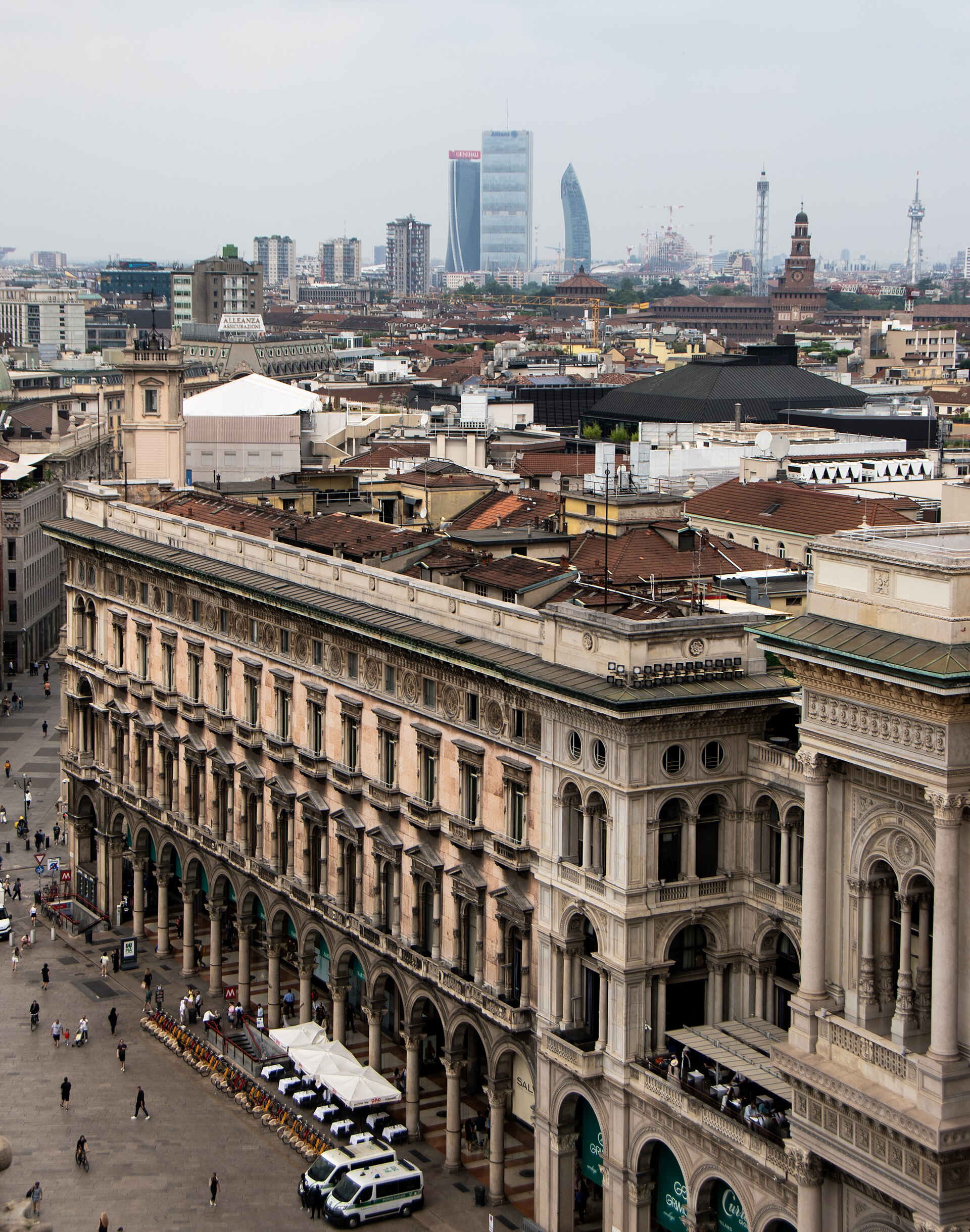
Milan remains open to visitors and commercial activity, but the security environment is more sensitive ahead of major events and high-footfall weekends. Retail districts, transport hubs, nightlife zones and public squares are likely to receive additional patrols and temporary restrictions.
For US companies, the immediate risks are operational rather than systemic. Employee travel may face delays and rerouting; retail, hospitality and logistics operations near protest routes may close temporarily; demonstrations can create business-interruption and property-damage exposure.
Employers should update travel-risk guidance and emergency communication plans. Companies hosting public events should coordinate with venue security and local authorities.
The additional 500 troops are authorised until 31 December 2026, so the measure overlaps with the period in which Milan expects substantial visitor and event activity. Event organisers and travellers should check official city, venue and transport notices close to the date rather than assume that a scheduled event will proceed normally.
Comparison With the United States
The Italian arrangement resembles US practice in one important respect: soldiers are generally used in a supporting or protective role rather than as the default force for ordinary demonstrations. In the United States, protest policing is normally conducted by municipal, state or federal law-enforcement agencies, while the use of federal troops or National Guard forces depends on legal authority, activation status and the governor or federal government.
The key difference is institutional. Italy’s decree directly changes criminal and preventive rules for demonstrations, including a specific offence for violent participation and penalties reaching €20,000. In the United States, protest-related crimes are generally prosecuted under existing state or federal laws, such as assault, vandalism, obstruction, riot or unlawful assembly, although enhanced penalties may apply under particular statutes.
For US travellers and students, the practical lesson is not that Milan is under military rule. It is that authorities are likely to respond more quickly and aggressively to conduct interpreted as participation in disorder, including face covering, property damage, group violence or refusal to comply with police instructions.
What It Means for You
Visitors should expect a visible increase in security around central Milan, sensitive sites, transport locations and major retail areas. The 500 soldiers will support patrols and fixed-site protection, while police and Carabinieri remain responsible for demonstrations and arrests.
Avoid Piazza Duomo, Via Torino and nearby shopping streets if a protest or counter-protest is announced. Do not approach clashes to film them from close range; keep passports or valid identification available; follow police cordons and dispersal instructions immediately.
Avoid face coverings at demonstrations, particularly where authorities are managing disorder. Allow extra time for transport diversions, closures and security checks.
Students should follow university alerts and avoid joining political gatherings without understanding the route, authorisation and local rules. US citizens should use the US Embassy or Consulates’ official alerts for emergency instructions; consular assistance does not exempt anyone from Italian law.
The decree does not mean that ordinary tourism is being suspended. It does mean that the tolerance threshold around violent or apparently coordinated disorder is lower, and that evidence collected after an event may be used to identify participants.
What Is Not Known
The Council of Ministers approved a decree-law on 20 October 2026 increasing the Strade Sicure contingent in Milan by 500 troops. The reported authorisation lasts until 31 December 2026; no January 2027 end date is stated in the cited decree reporting.
The exact legal status of the provisions therefore depends on the published decree and its subsequent parliamentary conversion. The reported provisions on preventive detention, gathering restrictions and broader liability could be amended or rejected during the 60-day conversion window.
It is also not yet clear how the new offence for violent demonstration participation will be interpreted in practice, particularly the threshold for what constitutes a “concrete danger” and how deferred arrest will be applied using video evidence. The legality and proportionality of the measures will likely be tested through parliamentary debate and judicial review.
What to Watch
By approximately December 19, 2026, Parliament faces the 60-day deadline to convert the decree, if the decree was issued on or around October 20, 2026. The conversion process will show whether the government’s harder provisions survive intact or are softened.
December 31, 2026, is the reported end date for the additional 500-person Milan deployment. Whether the government seeks an extension will depend on the security situation and political calculations.
The reported deployment runs through 31 December 2026, not for an initial three-month period extending into January 2027.
US travellers and firms should monitor official city, venue and transport notices close to any planned Milan visit or event. The security environment is likely to remain elevated through the end of the year, particularly around weekends and high-footfall periods.
Related reading: Alcolumbre Security PEC Next Steps and Signals to Watch; Brazil Security PEC Explained: Criminal Age Impasse; more from Security.
Frequently Asked Questions
Is Milan safe for US tourists right now?
Milan remains open to visitors, but the security environment is more sensitive after the October 2026 clashes. US travellers should expect heavier security around central squares and retail streets, avoid demonstrations, and follow police instructions immediately.
What does Italy’s new protest decree allow?
The decree creates a new offence for violent participation in a demonstration, punishable by up to five years in prison and a fine of up to €20,000. It also allows deferred arrest using video evidence, expands parental liability for damage caused by minors, and eases prosecution of offenders aged 14 and over.
Can Italian soldiers arrest protesters in Milan?
No. The 500 additional soldiers do not independently arrest people or manage violent demonstrations.
How long will the 500 soldiers stay in Milan?
The additional 500 soldiers are authorised until 31 December 2026.
What should US students in Milan do during protests?
US students should follow university alerts, avoid joining political gatherings without understanding the route and local rules, and stay away from clashes. They should keep identification available and follow police dispersal instructions immediately.
What happens if Parliament does not convert the decree?
Italian decree-laws take immediate effect but must be converted by Parliament within 60 days or lapse. If Parliament does not convert the decree by approximately December 19, 2026, the measures would cease to have permanent legal force.
How does Italy’s approach compare with US protest policing?
Both countries generally use soldiers in a supporting or protective role rather than as the default force for demonstrations. The key difference is that Italy’s decree directly changes criminal and preventive rules for demonstrations, while US protest-related crimes are generally prosecuted under existing state or federal laws.
Sources: riotimesonline.com, euronews.com, it.euronews.com, milano.corriere.it, tg.la7.it, tg24.sky.it. Retrieved 22 October 2026.
This article was produced by The Rio Times’ automated newsroom system. How we use AI · Report an error · Editorial responsibility: Matthias Camenzind, Editor-in-Chief
LatAm Markets: Live Signals → — real-time movers, turnover leaders and FX across Latin America.