Paraguay Seeks 24% Hike in Itaipu Dam Fees, Brazil Resists
With a capacity of 14,000 megawatts, the bi-national Itaipú only trails behind China’s Three Gorges and Baihetan dams.
The review of Annex C in the Binational Treaty between Brazil and Paraguay, overseeing the billion-dollar resources of the Itaipu hydroelectric plant, is projected to take 2-3 years, according to the Brazilian director general of Itaipu, Enio Verri.
Verri disclosed Paraguay’s intention to raise the dam’s service fee by 24% for 2024.
The current fee is $16.71 per kilowatt each month. If approved, the new rate will be $20.75 starting next year. This fee helps cover the cost of generating power at the dam.
During a meeting in Brazil’s Senate, Verri spoke about this plan. He said Brazil is pushing for a lower rate.
This makes the talks hard because each country has its own interests. Paraguay owns half of the dam.
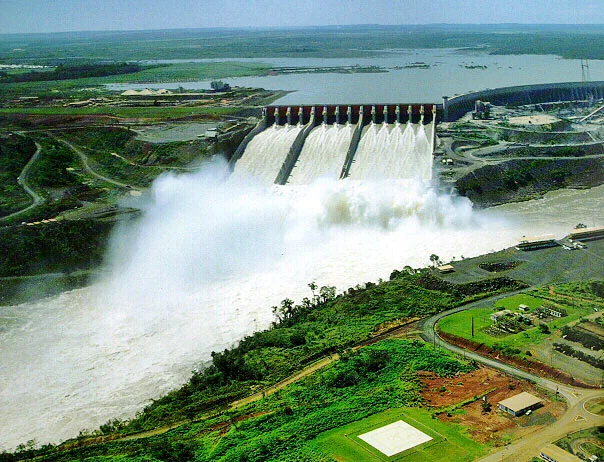
However, it doesn’t use all the electricity it generates. An existing deal states that any extra power must be sold to Brazil. So, a higher rate would bring more money to Paraguay.
A large percentage of the energy consumed by São Paulo and Rio de Janeiro comes from Itaipu, making anything related to the dam of great national importance.
Verri also mentioned a timeline for these discussions. Both nations have until December to decide the fee for 2024.
This fee is formally known as the Unitary Electricity Service Cost or Cuse. It’s a charge that people in both countries pay.
The money goes towards running and maintaining the dam and other costs.
For context, the proposed new rate is not new. It’s the same as the rate in 2022. For this year, Brazil managed to lower it by 19.46%.
Even with Paraguay’s proposed hike, the rate is still less than what was paid from 2009 to 2021, which was $22.60.
Background Itaipu Dam Fees
The Itaipu Dam is a cornerstone of Brazil’s energy infrastructure, contributing about 15% of the country’s electricity needs.
It plays a critical role in fueling São Paulo’s vibrant economy, which accounts for a third of Brazil’s GDP.
For Rio de Janeiro, a city with a population of over 6 million, reliable power from Itaipu is vital for both residents and numerous tourist activities.
The dam’s hydroelectric power mitigates Brazil’s reliance on fossil fuels, aligning with the country’s commitment to reduce carbon emissions by 37% by 2025.
It also supports public transport, including the São Paulo Metro, which serves more than 3.6 million passengers daily.
Key Facts
— Deep Dive
— For the complete picture, read our in-depth guide: Paraguay: Washington's Most Valued Ally in Latin America
More: Brazil news in English, every day from The Rio Times.
This article was produced by The Rio Times’ automated newsroom system. How we use AI · Report an error
Read More from The Rio Times