Panama Grants Ex-President Martinelli Safe Passage to Nicaragua
Panama’s government announced on March 27, 2025, that it recognizes Nicaragua’s asylum for former President Ricardo Martinelli, granting him safe passage.
The 73-year-old leader, who governed from 2009 to 2014, faces a 10-year, 6-month prison sentence for money laundering. Foreign Minister Javier Martínez-Acha cited humanitarian reasons, noting Martinelli’s health needs and ability to defend himself better abroad.
Martinelli sought refuge in Nicaragua’s Panama City embassy on February 7, 2024, after the Supreme Court upheld his conviction. The “New Business” case ties him to laundering $43 million from state contracts to buy a media group.
Nicaragua, under Daniel Ortega, offered asylum, sparking a year-long standoff until President José Raúl Mulino’s administration reversed earlier refusals.
On Instagram, Martinelli accepted the salvoconducto, valid until March 31, 2025, claiming innocence and political persecution. He plans to travel with his family and dog, Bruno, to Managua.
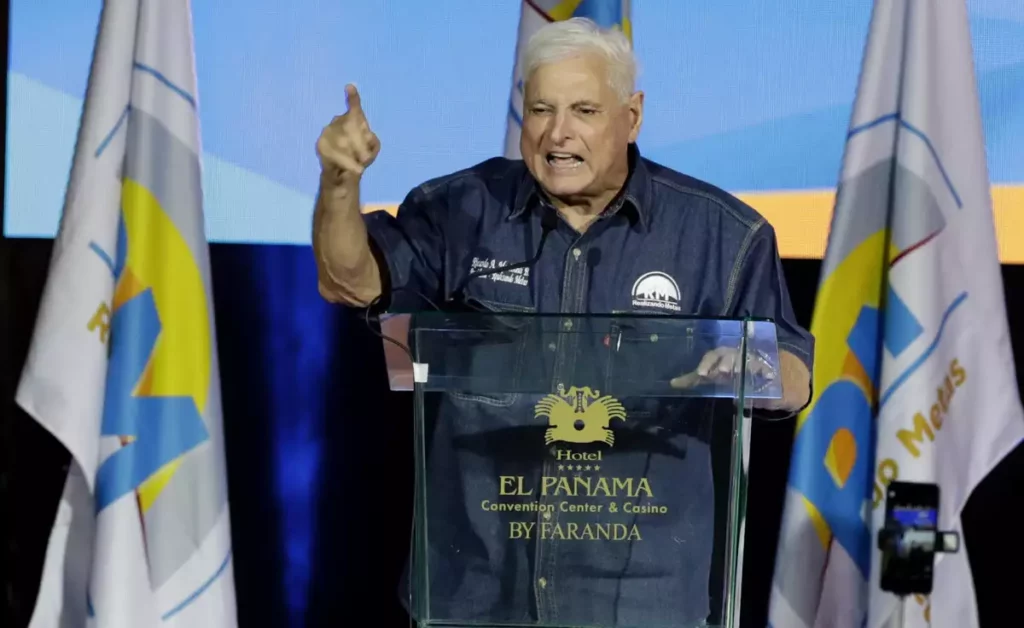
Critics, however, argue this undermines justice, pointing to Nicaragua’s history of sheltering figures like El Salvador’s Mauricio Funes. Mulino, elected in May 2024 with 34.3% of the vote, campaigned on Martinelli’s legacy of economic growth, including the Panama Canal expansion.
Panama’s Political Shift and Economic Challenges
Martinelli’s conviction barred him from running, paving Mulino’s path to victory. The safe passage decision fuels debate over accountability, as Martinelli owes a $19.2 million fine.
Panama’s economy, once thriving under Martinelli, now faces slowdowns and migration challenges. His era saw the metro system’s birth, but corruption allegations linger, including ties to the Odebrecht scandal with his sons.
Businesses watch closely, as this move signals how Panama balances justice and politics.
Martínez-Acha stressed that the conviction stands; Martinelli risks arrest if he returns.
Meanwhile, police surround the embassy, heightening tensions. This resolution closes a chapter, yet questions persist about Panama’s rule of law and Nicaragua’s role as a haven for ex-leaders.
The international community observes how this affects Panama’s reputation. Martinelli’s exile reshapes political dynamics, leaving businesses and citizens to ponder justice’s reach.
More: Latin America news in English, every day from The Rio Times.
This article was produced by The Rio Times’ automated newsroom system. How we use AI · Report an error · Editorial responsibility: Matthias Camenzind, Editor-in-Chief