Panama Canal Transits Fall to 32 a Day on Tuesday, and Guatemala Is Counting the Cost
PANAMA · LOGISTICS
Key Facts
- —The cut Panamax slots fall from 25 to 23 a day on 15 September, alongside nine Neopanamax.
- —The total Thirty-two daily transits from Tuesday, down from thirty-four.
- —The advisory Advisory to Shipping 29 of 2026, issued by the canal authority on 20 August.
- —The cause Below-expected precipitation in the canal watershed despite the rainy season.
- —The draft A limit of 14.63 metres took effect on 2 September, with 14.48 metres deferred to 1 October.
- —The catch This is a new restriction cycle. The 2023 drought limits were lifted long ago.
The drought restrictions of two years ago were lifted. These are new ones, issued in August.
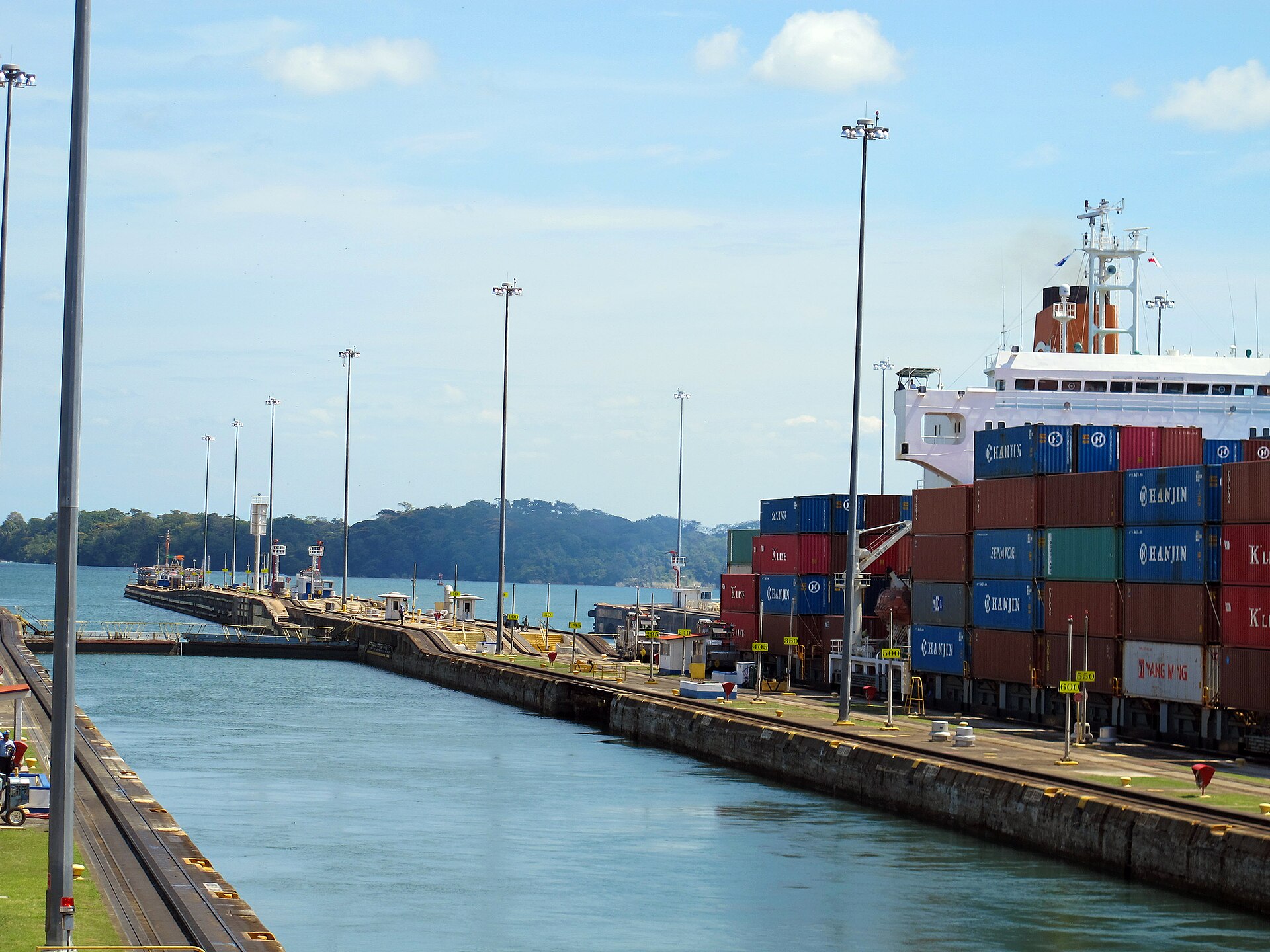
Panama Canal transits fall to 32 a day from Tuesday, 15 September 2026. The figure was 34.
Anyone who remembers the drought restrictions of 2023 and 2024 may assume this is the same story. It is not, and the distinction is worth stating.
What the Advisory Says
The restrictions come from Advisory to Shipping 29 of 2026, issued by the Panama Canal Authority on 20 August. Its subject is additional measures to address reduced precipitation in the canal watershed.
From 3 September, daily Neopanamax slots were cut to nine and Panamax slots to 25. From 15 September, Panamax falls again to 23.
Nine plus 23 is 32. That reconciles the slot figures with the total daily transit number circulating in Central American coverage.
Draft limits move separately. A limit of 14.63 metres in the Neopanamax locks was postponed from 26 August and took effect on 2 September.
A tighter limit of 14.48 metres was deferred from 3 September to 1 October. Deferrals of that kind track the level of Gatun Lake.
Why the Water Is Short Again
The stated cause is below-expected rainfall in the watershed, during what should be the rainy season. The authority links it to El Nino conditions.
The canal is a freshwater system. Every transit consumes water from Gatun Lake, which also supplies drinking water to a large share of Panama’s population.
When the lake falls, the authority has two levers. It can reduce how many ships pass and it can reduce how deep they sit.
Both are in use now. That is the same mechanism as 2023, applied to a new shortfall.
The 2023 and 2024 restrictions were lifted when water levels recovered. A reader treating the current cuts as those old ones would have the year wrong.
What Guatemala Is Saying
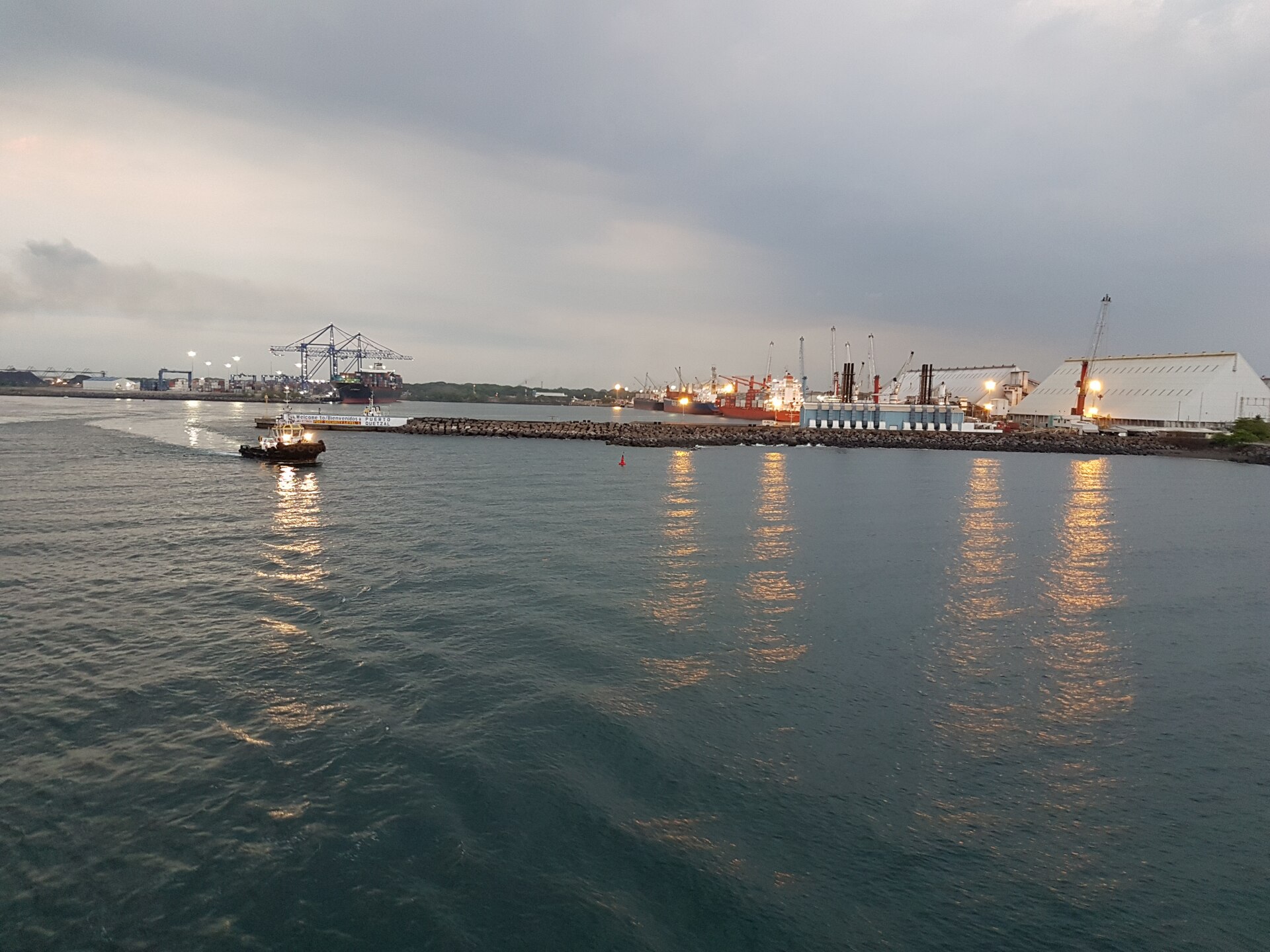
Prensa Libre published warnings from three named Guatemalan sources on Monday. None of them quantifies a loss.
Fabiola Gómez, executive director of the logistics chamber at Guatemala’s industry association, warned of changes in itineraries and transit times. She also cited space availability and possible increases in logistics costs.
Bismark Pineda, competitiveness manager at the exporters’ association, pointed at transshipment. Quota restrictions on both vessel classes could delay exports bound for South America.
An operations manager at a food company said restricted water availability may persist until 2027. That is one executive’s expectation and not a canal authority forecast.
The affected Guatemalan exports named are sugar, insecticides, natural rubber and chemicals. Their destination is South America, which is the trade the canal serves for Guatemala.
Warnings Are Not Losses
Everything above is a risk warning from an industry body. No measured impact on Guatemalan trade volume has been published.
That distinction should survive into any account of this. Three named sources in one article is solid attribution, but they are describing what may happen.
Guatemala’s exposure is real enough to make the warnings sensible. Its Pacific port at Quetzal is the natural loading point for southbound cargo.
The question for exporters is timing rather than access. Fewer slots means longer waits or rerouting, not a closed canal.
The Wider Picture
Roughly 6% of world maritime commerce moves through the canal. That figure is a general statistic and is not specific to any one country’s trade.
The pattern is familiar to shipping lines. Panama Canal transits have been rationed before, and the responses are known.
They book slots further ahead, and shift some eastbound Asian volume to other routes.
For Central American exporters, those alternatives are thinner. A container from Guatemala to Chile has few practical substitutes for the canal.
The next thing to watch is the 1 October draft decision. If the 14.48 metre limit takes effect then, cargo per vessel falls as well as vessel count.
More: Panama news in English, every day from The Rio Times.
Frequently Asked Questions
How many Panama Canal transits are allowed now?
Thirty-two a day from 15 September 2026, consisting of nine Neopanamax and 23 Panamax slots, down from 34.
Why have transits been cut?
Below-expected rainfall in the canal watershed during the rainy season, linked to El Nino. The canal is a freshwater system drawing on Gatun Lake.
Are these the same restrictions as the 2023 drought?
No. Those were lifted when water levels recovered. The current measures come from an advisory issued on 20 August 2026.
How does this affect Guatemala?
Industry bodies warn of changed itineraries, longer transit times, reduced space availability and higher costs for sugar, rubber, insecticide and chemical exports to South America. No measured trade loss has been published.
What are the draft limits?
A limit of 14.63 metres in the Neopanamax locks took effect on 2 September. A tighter 14.48 metre limit has been deferred to 1 October.
Sources: Panama Canal Authority Advisory to Shipping 29 of 2026 and Prensa Libre of 14 September 2026.
This article was produced by The Rio Times’ automated newsroom system. How we use AI · Report an error
Read More from The Rio Times