Niger’s North Hit by Repeated Water and Electricity Shortages
Niger · INFRASTRUCTURE
Key Facts
- —The country Niger, a landlocked Sahel state run by a military government since the July 2023 coup, is one of the world’s least electrified countries: 21.3 percent of people had electricity in 2024, and 10.8 percent in rural areas, according to World Bank data.
- —Background The towns of the northern Agadez region, including Agadez, Tchirozérine and Arlit, depend on power from a coal-fired plant run by Sonichar, Niger’s national coal company. In May the regional governor said the ageing plant suffered recurring breakdowns and delivered about 7 megawatts against demand of more than 17 megawatts.
- —What happened RFI reported on 28 September that the Agadez region faces shortages of water, electricity, gas and fuel. This week the prefect of Arlit met community representatives to discuss the crisis.
- —Why it matters Water pumping and daily life in the desert north depend on grid power; a local civil-society leader calls the shortfall structural, saying the plant is about 45 years old against a 25-year design life.
- —Still open Whether the authorities fund new generating capacity, and the new boreholes and larger water pipes the governor called for in May, and on what timetable.
Niger water electricity shortages are hitting the northern Agadez region again, and residents say the cause is an ageing coal plant that can no longer meet demand.
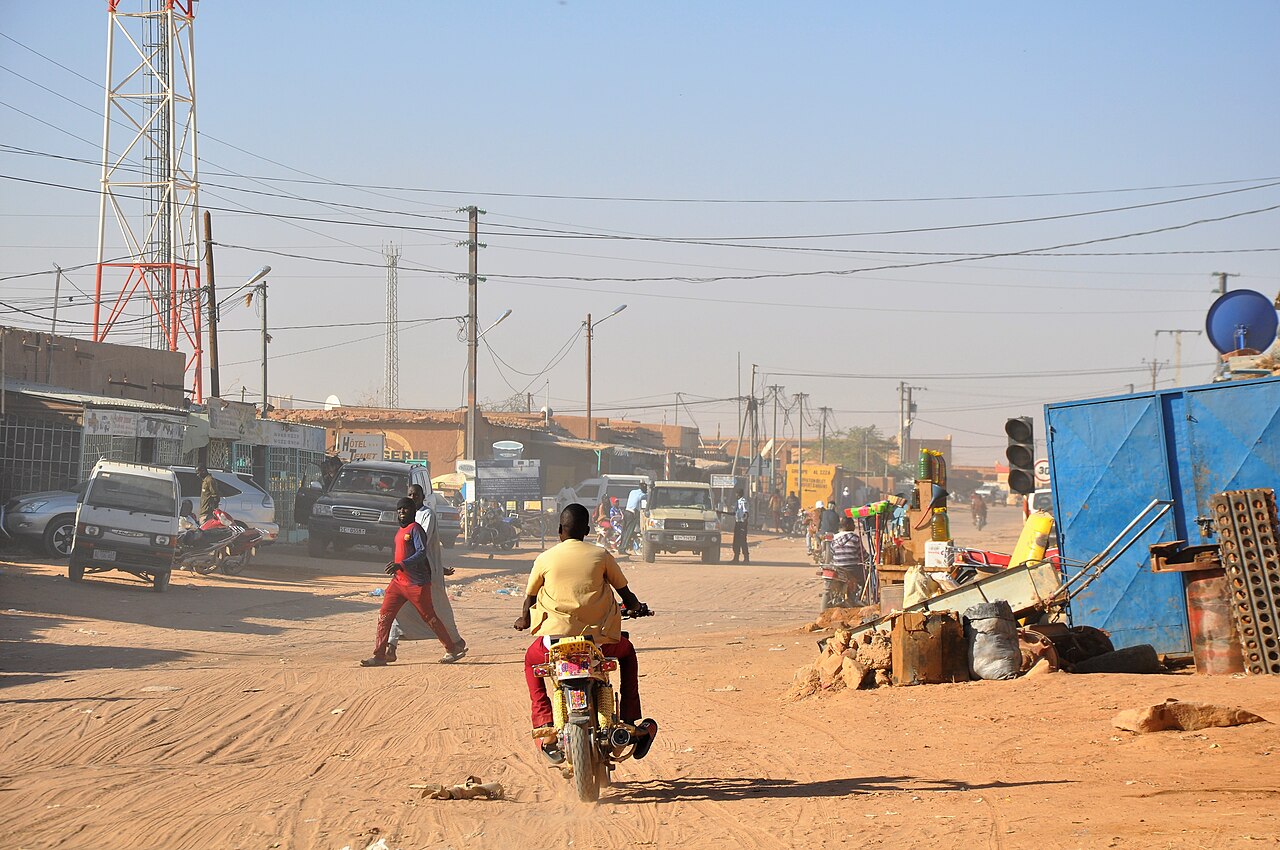
Repeated water and electricity shortages are exasperating residents of Niger’s northern Agadez region, RFI reported on 28 September. The region also faces shortages of gas and fuel, and this week the prefect of Arlit met local community representatives to discuss the situation.
An ageing plant at the heart of the crisis
“The problem is not recent, it is structural,” Rhamar Ilatoufegh of Arlit’s civil-society coordination told RFI. He said the whole Agadez region and Arlit are supplied by Sonichar, the national coal company, from a coal-fired plant built 45 years ago with a 25-year lifespan.
According to Ilatoufegh, that age causes an electricity deficit, and the necessary measures were not taken in time.
Officials have described the same problem. On 25 May the Agadez governor, Major General Ibra Boulama Issa, visited the regional offices of the power utility Nigelec and the water company Nigérienne des Eaux. He said the region faced a large production deficit made worse by recurring breakdowns at Sonichar’s “ageing plants,” according to the state daily Le Sahel.
Supply far below demand
Figures presented during that visit showed supply of about 7 megawatts for Agadez, Tchirozérine and Arlit, against needs of more than 17 megawatts. Demand is still rising, with more than 7,400 new connections since the start of 2025.
Water is affected as well. Water officials said production had become insufficient in the hot season, and the governor called for new boreholes and for the replacement of small-diameter pipes.
A country with little electricity to begin with
Niger’s energy problem is not limited to the north. World Bank data show that 21.3 percent of the population had access to electricity in 2024, and just 10.8 percent in rural areas.
For Agadez, Arlit and Tchirozérine, which are connected to the grid, the issue is that the power station they rely on cannot keep up. Arlit, a mining town, has long depended on the Sonichar plant.
Where Niger’s money is coming from
The shortages come as the military government leans on resource deals for revenue. In April 2024, China’s CNPC advanced US$400 million to Niger against future crude sales exported through the Niger–Benin pipeline.
CNPC is the dominant foreign company in Niger’s oil sector. It developed the Agadem oil fields in the east and the Zinder refinery, and built the export pipeline to Benin.
Uranium, mined around Arlit, is the other lever. Niger recently doubled its stake in a major uranium project to 40 percent, as reported here. The wider contest over the Sahel’s resources is covered in Africa: The New Scramble.
Who loses when the lights go out
The immediate burden falls on households in Agadez, Arlit and Tchirozérine. When power fails, water pumping falters and families have to find alternatives.
With gas and fuel also scarce, running generators or cooking becomes harder. Residents told RFI the situation had become unlivable, and they are asking for lasting solutions rather than stopgaps.
What to watch next
The key question is whether the authorities commit money to new generating capacity for the north, or to rehabilitating Sonichar’s plant, and on what timetable.
Also watch for follow-up to the Arlit prefect’s meeting and for progress on the boreholes and pipe upgrades the governor called for in May, ahead of next year’s hot season.
Frequently Asked Questions
Why is Niger’s north facing water and electricity shortages?
Local civil-society leaders blame the ageing coal-fired plant run by Sonichar, which they say is about 45 years old against a 25-year design life. In May the regional governor said it delivered about 7 megawatts against demand of more than 17 megawatts.
Which towns are affected?
The shortages affect the Agadez region, including the towns of Agadez, Tchirozérine and Arlit. The region also faces shortages of gas and fuel.
How many people in Niger have electricity?
World Bank data show that 21.3 percent of Niger’s population had access to electricity in 2024, and 10.8 percent in rural areas.
Sources
This article was produced by The Rio Times’ automated newsroom system. How we use AI · Report an error
LatAm Markets: Live Signals → — real-time movers, turnover leaders and FX across Latin America.
Read More from The Rio Times