Nigeria Customs Pauses Recruit Training
Nigeria's customs agency has stopped training new recruits while it talks to a hiring watchdog that has taken it to court over how the new officers were chosen.

Politics: Nigeria
The Nigeria Customs Service said on Friday 20 November 2026 that it has temporarily suspended training at its two training colleges. The pause follows a dispute with the Federal Character Commission, the body that polices fair regional representation in federal hiring, over how new officers were chosen.
Customs did not say when training will resume. For readers abroad, it shows how Nigeria weighs merit screening against its rules on fair national representation.
Key Facts
- Who. Nigeria Customs Service, which collects import duties, and the Federal Character Commission, a federal hiring watchdog.
- What. Customs paused training at both colleges on Friday amid a recruitment dispute.
- Open. Whether the talks will alter the recruit list or end the court case.
- As of. 21 November 2026, 09:00 GMT
Nigeria’s customs agency has stopped training new recruits while it talks to a hiring watchdog that has taken it to court over how the new officers were chosen.
The recruitment began on 27 December 2024, and a Customs notice of September 2025 listed 3,927 vacancies. By early August 2026 Customs said it had received 573,680 applications, about 146 for every vacancy, and had named 3,852 successful applicants, around 0.7% of them.
Customs said in its statement of 19 October 2026 that a place on the final list does not guarantee enlistment. The Federal Character Commission, a body created by law to stop a few states or ethnic groups from dominating federal institutions, says it must monitor such hiring and has charged Customs under its founding Act.
Customs said in August 2026 that recruitment would become an annual, merit-based exercise, so the outcome could shape future rounds. The statement does not say whether the talks could change the list of 3,852 or end the court case, or how many recruits are affected.
The statement, signed by spokesman Abdullahi Maiwada, a Deputy Comptroller (a senior Customs rank), said the pause allows further consultations after talks between the commission and a Customs delegation, in which both sides agreed to pursue dialogue. Comptroller-General Bashir Adewale Adeniyi, the agency’s head, acknowledged the commission’s constitutional role in promoting fairness and equal representation in public appointments.
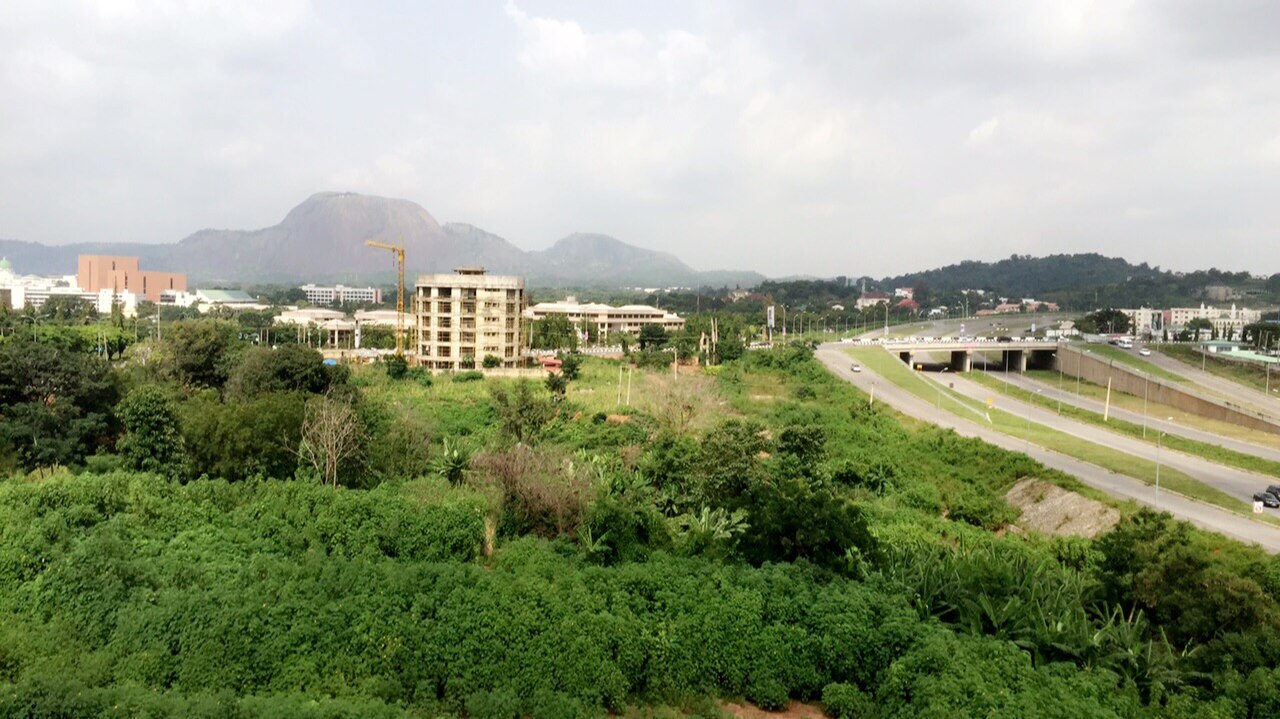
Training began on Friday 9 October 2026 at the Nigeria Customs Command and Staff College in Gwagwalada, Abuja, a Customs training school. Before training began, more than 500 applicants on the published list said they had been left out, and the commission later raised their complaints.
On Monday 19 October 2026 Customs said screening had flagged 397 applicants over substance use, physical fitness, medical records, age and documents. Maiwada added that Adeniyi had approved a case-by-case review for rejected applicants.
In late October the commission called for training to be suspended pending a review of whether it respected the federal character principle, the rule that federal jobs must reflect Nigeria’s regions and ethnic groups. A charge dated 12 November 2026 set out four criminal counts against Customs and Adeniyi at the Federal High Court in Abuja, which hears cases against federal agencies.
The charge says Customs did not hand over its nominal rolls (name-by-name lists) despite a formal request dated 25 March 2026, and did not submit to monitoring. It also says Customs ignored the commission’s directive of 23 October and gave no clear eligibility rules despite requests between 30 January and 20 October 2026.
These are allegations, and Customs had not publicly answered the charge by Saturday 21 November. Customs’ own line is that it values its “longstanding relationship” with the commission and is confident that dialogue can address the concerns “in a mutually beneficial manner”.
Only about 0.7% of applicants won a place, so each disputed exclusion touches a post that very few people could win. Two of the four counts concern records and rules the commission says it never received, so what Customs hands over during the talks matters to the case.
The direct US stake is modest. Customs staffs the ports and borders that US goods and Nigerian exports pass through, but the statement does not say whether the pause touches port operations.
The exact number of complaints in the commission’s file is not known. Customs has not publicly said how it will answer the charge in court.
No hearing date for the charge has been made public. Customs has said only that talks with the commission will continue.
Frequently Asked Questions
Why did Nigeria Customs suspend recruit training?
It said it needs further consultations with the Federal Character Commission over concerns about the recruitment. Both sides agreed to pursue constructive dialogue.
What is the federal character principle?
It is a constitutional rule that federal appointments should reflect Nigeria’s diversity so that no state or ethnic group dominates. The Federal Character Commission monitors it.
When will the recruits resume training?
Customs has not said. It describes the suspension as temporary.
Sources
Nigeria Customs Service statement of 20 November 2026; Federal High Court charge filed by the Federal Character Commission, dated 12 November 2026; Constitution of the Federal Republic of Nigeria 1999, section 14(3) · Nigeria Customs Service
Connected Coverage
Nigeria news · Three Banks Settle Aircraft Duties · Nigeria Revenue Service Recruitment Warning · Nigeria History Explained
This article was produced by The Rio Times’ automated AI newsroom. Editorial responsibility: Matthias Camenzind, Publisher and Editor-in-Chief. The Rio Times also runs Ask Rio Times, which answers from 100,000+ of our own articles, the daily Latin America Power Map, and prediction-market odds on elections and markets.. How we use AI · Report an error