Mexico’s Industrial Production Grew 1.7% in June, but the Half Was Flat
Mexico · Economy
Key Facts
- —The figure Mexico’s industrial production rose 1.7% year on year in June, INEGI reported on August 11.
- —The month On a monthly basis, activity edged up just 0.2%.
- —The quarter Industry improved about 1.5% in the second quarter.
- —The bigger picture Across the first half of 2026, industrial activity was flat versus a year earlier.
- —The takeaway Growth is real but shallow, pointing to an economy in low gear.
A modest annual gain masks a harder truth: through the first six months of the year, Mexican industry went nowhere.
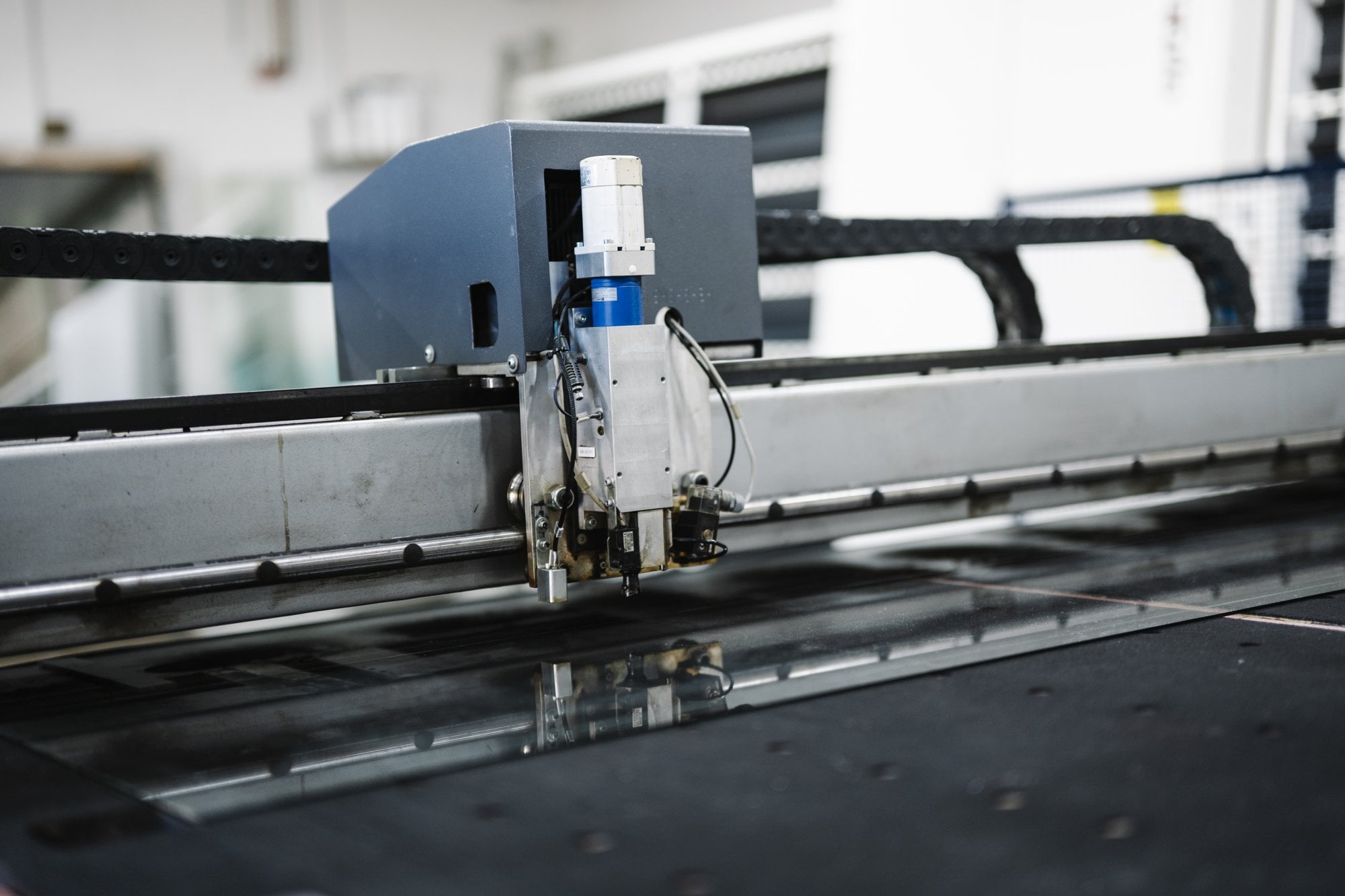
Mexico’s factories, mines and construction sites did a little better in June, with industrial production up 1.7% from a year earlier. But step back to the whole first half of the year, and the picture flattens out: industry has essentially stood still.
Inside the industrial production data
The national statistics agency, INEGI, released the June industrial figures on August 11. They showed activity up 1.7% compared with the same month a year earlier.
Month on month, the gain was slighter still, just 0.2% in the seasonally adjusted series.
What counts as industry
Industrial production is a broad gauge, covering manufacturing, mining, construction and utilities. It is one of the clearest windows into the productive, physical side of an economy.
When it stalls, it usually signals softness in demand, investment or both.
The flat first half
The June gain is welcome, but it sits against a sobering backdrop. The first half of 2026 was flat.
Measured against the same six months of 2025, industrial activity showed no growth at all. A good month does not undo a lost half-year; it simply slows the drift.
A quarter of modest improvement
There is a hint of momentum in the second-quarter reading. Industry improved around 1.5% over the quarter.
That suggests the worst of the stagnation may be easing, if only gently. Whether it builds into a genuine recovery is the open question.
Why industry is stuck in low gear
Several forces weigh on Mexican industry at once. For example, high interest rates make investment costlier.
Trade uncertainty with the United States has made some companies cautious about expanding. Add softer global demand, and the result is an economy idling rather than accelerating.
The nearshoring paradox
There is a puzzle here. Mexico is attracting strong foreign investment on the nearshoring wave.
Yet current industrial output is barely growing. The two facts sit awkwardly together.
The likely explanation: investment announced today becomes production tomorrow, not this quarter.
What it means for workers
Flat industry means cautious hiring. After all, factories do not add shifts when output is stagnant.
For workers, that translates into fewer new jobs and slower wage gains. A pickup in production is what would eventually loosen the labor market.
The policy angle
Softer growth strengthens the case for lower interest rates to revive activity. Moreover, with inflation cooling, Mexico’s central bank has a little more room to ease.
Cheaper credit would, over time, help industry shift out of neutral.
What to watch next
The number to watch is whether the second-quarter uptick carries into the second half. Still, a string of monthly gains would turn a flat year into a recovering one.
For now, Mexico’s industry is moving forward, but only just.
Manufacturing versus mining
The headline hides very different fortunes across sectors. Manufacturing has held up better than mining.
Oil output, part of the industrial mix, has struggled for years amid Pemex’s decline. Construction, meanwhile, swings with public works and private building cycles.
A test of the recovery
Economists will want more than one good month before declaring a turnaround. The pattern of recent years has been fits and starts rather than steady climbs.
June’s gain is encouraging, but the flat half-year keeps expectations grounded.
Why it matters for the region
Mexico is Latin America’s second-largest economy, so its industry sets a regional tone. In addition, a humming Mexican factory sector pulls in suppliers from across the hemisphere.
A sluggish one, by contrast, dampens demand well beyond its borders.
More: Latin America news in English, every day from The Rio Times.
Frequently Asked Questions
How much did Mexican industry grow?
Industrial production rose 1.7% year on year in June 2026, and 0.2% month on month, INEGI reported on August 11.
What about the whole first half?
It was flat. Across January to June 2026, industrial activity showed no growth versus the same period in 2025.
What does industrial production include?
Manufacturing, mining, construction and utilities, a broad measure of the productive side of the economy.
Why is industry so weak?
High interest rates, trade uncertainty with the US and softer global demand have all made companies cautious.
Does this clash with strong investment?
Somewhat. Investment announced now becomes output later, so today’s flat production can coexist with rising future commitments.
Connected Coverage
Sources: INEGI; El Financiero; El Economista.
This article was produced by The Rio Times’ automated newsroom system. How we use AI · Report an error
In depth
LatAm Markets: Live Signals → — real-time movers, turnover leaders and FX across Latin America.
Read More from The Rio Times