(Analysis) Emmanuel Macron’s presidency has been defined by bold moves and significant risks. Politico described him as charismatic but deeply lonely and self-obsessed.
His audacity was evident when he called a snap election, resulting in losses for his centrist alliance while preventing a far-right majority.
This strategic yet controversial decision highlighted his polarizing image among French voters, who see him as arrogant and out of touch.
Amid declining popularity and domestic challenges, Macron’s snap election aimed to block a far-right takeover led by Marine Le Pen.
Despite this, his centrist bloc suffered, revealing a divided France. Critics argue his self-assured nature blinds him to growing discontent among the electorate.
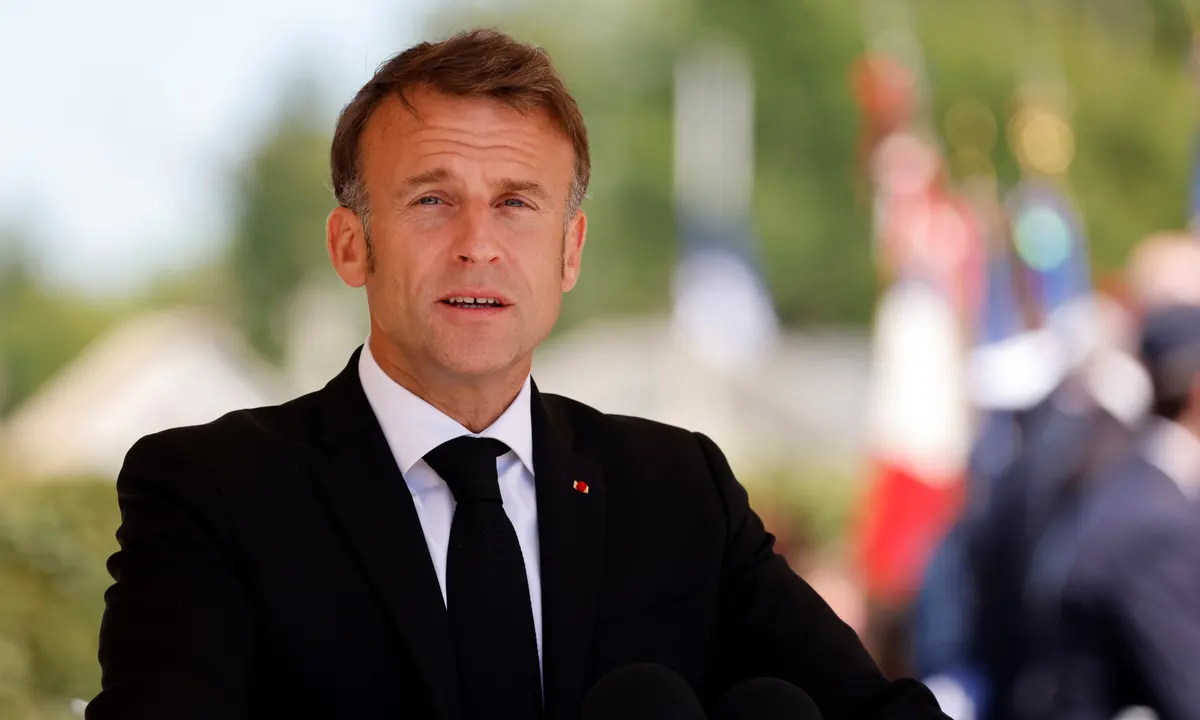
European leaders expressed concerns. Polish Defense Minister Władysław Kosiniak-Kamysz and German Chancellor Olaf Scholz highlighted the French election’s impact on EU stability and defense policies.
France’s high debt ratio, over 110% of GDP, complicates Macron‘s position, especially with right-wing plans to reverse unpopular pension reforms.
Macron’s strategy underscores France’s crucial role in the EU and its stance against China and the U.S. Internal political strife could weaken France’s influence in Brussels.
Infighting between Macron and conservative leaders like Jordan Bardella over key appointments, such as the EU commissioner, may undermine France’s position.
This narrative underscores Macron’s complex legacy. His bold decisions, while blocking adversaries, often lead to polarization and challenges within France and the EU.
Understanding Macron’s actions and their repercussions is vital for grasping the current and future political landscape in Europe.
His presidency is a story of ambition, risk, and the constant balance of power.
Background
In a surprising turn, voters in 506 French districts saw the left-wing coalition New Popular Union (NUP) emerge as Parliament’s leading force.
Marine Le Pen’s far-right National Rally (RN) secured third place, trailing behind President Emmanuel Macron’s centrist bloc.
Following these results, Prime Minister Gabriel Attal from Macron’s bloc announced his resignation, effective Monday.
This outcome precedes the Paris Olympics and has plunged France into a state of uncertainty with no clear path to a stable government capable of passing legislation in a fragmented Parliament.
This article was produced by The Rio Times’ automated newsroom system. How we use AI · Report an error
Read More from The Rio Times