M23 Rebels Tighten Grip on Eastern DRC, Seizing Strategic Bukavu – Rwanda Denies Involvment
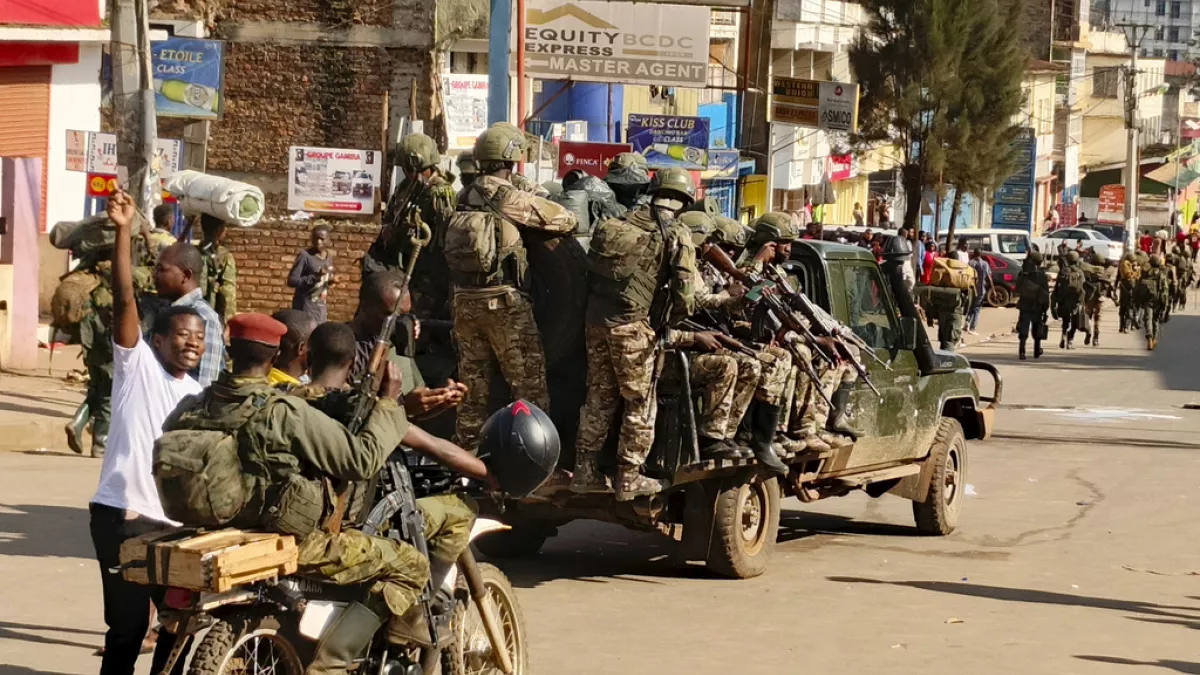
On Sunday, February 16, 2025, Rwanda-backed M23 rebels entered Bukavu, a strategic city in the eastern Democratic Republic of Congo (DRC), marking their most significant territorial gain since their resurgence in 2022.
Witnesses confirmed the rebels seized the South Kivu provincial administrative office and Kavumu airport with little resistance from Congolese forces. This advance underscores the fragile state of the DRC’s governance and raises fears of a broader regional conflict in Africa’s Great Lakes region.
The M23 rebellion is deeply intertwined with the region’s geopolitics and historical tensions. Emerging from the ashes of the 1994 Rwandan genocide, the conflict reflects unresolved ethnic divisions and competition over eastern Congo’s vast mineral wealth.
Rwanda, accused by the United Nations and DRC of supporting M23 with troops and resources, denies direct involvement. Kigali justifies its actions as defensive, citing threats from Hutu militias like the FDLR, which include individuals responsible for the genocide and remain active in eastern Congo.
The fall of Bukavu follows M23’s capture of Goma in January. This consolidation of control over key mining areas rich in cobalt, coltan, and gold is essential for global industries like electronics and electric vehicles.
Analysts estimate that M23 earns substantial revenue from taxing mining operations and smuggling minerals into Rwanda, which has become a major exporter despite limited domestic reserves.
Resource Exploitation and Regional Instability in Africa
This economic dynamic highlights how resource exploitation fuels both local insurgencies and regional rivalries. The conflict has drawn condemnation from international organizations like the United Nations and African Union (AU).
UN Secretary-General António Guterres warned at an AU summit that escalating violence could spiral into a regional war. However, African leaders remain divided on how to address the crisis.
While Burundi supports Congolese forces, Uganda faces accusations of aiding M23 alongside Rwanda. These shifting alliances complicate efforts to stabilize the region.
For Africa, the crisis represents more than a localized conflict. It exposes systemic challenges in managing borders, ethnic tensions, and resource governance.
Globally, it threatens supply chains dependent on Congo’s minerals while highlighting international reluctance to intervene decisively. As Bukavu falls under rebel control, the stakes for regional stability and global economic interests grow ever higher.
More: DR Congo news in English, every day from The Rio Times.
This article was produced by The Rio Times’ automated newsroom system. How we use AI · Report an error · Editorial responsibility: Matthias Camenzind, Editor-in-Chief
Part of our ongoing coverage
Africa: The New Scramble — the great-power contest over the continent.