IBOV 206,505.98 ▼ 0.18% IPSA 10,966.21 ▼ 0.49% IPC MEX 66,790.35 ▼ 0.26% MERVAL 2,835,843 — 0.00% COLCAP 2,582.29 ▲ 0.46% BVL PERÚ 60,511.74 ▼ 1.60% USD/BRL5.03▲ 0.04% USD/MXN18.49▼ 0.06% USD/CLP984.93▼ 0.01% USD/COP3,180▼ 0.26% USD/PEN3.44▲ 0.22% USD/ARS1,513▼ 0.02% USD/UYU40.20▲ 3.25% USD/PYG5,684▲ 2.81% USD/BOB11.65▲ 2.18% USD/DOP61.11▼ 0.03% USD/CRC449.35▲ 1.91% USD/GTQ7.64▲ 3.17% USD/HNL26.86▲ 0.35% USD/NIO36.62▼ 0.07% USD/VES876.92▼ 0.13% USD/PAB1.00— 0.00% USD/BZD2.00— 0.00% USD/JMD 157.28 — 0.00% USD/TTD6.77▲ 2.81% EUR/BRL5.64▲ 0.22% BRENT 88.88 ▼ 0.03% WTI 83.11 ▼ 0.11% IRON ORE 161.91 — — COPPER 6.61 ▲ 0.03% GOLD 4,461 ▲ 1.78% SILVER 65.59 ▲ 1.26% SOY 1,184 ▲ 3.20% CORN 480.50 ▲ 10.02% WHEAT 655.00 ▲ 3.93% COFFEE 317.25 ▼ 5.51% SUGAR 16.43 ▼ 1.79% ORANGE JUICE 138.55 ▼ 0.47% COTTON 85.03 ▲ 2.33% COCOA 5,719 ▲ 3.18% BEEF 223.60 ▼ 3.93% CATTLE 339.10 ▼ 3.16% LITHIUM 75.20 ▲ 1.47% PETR4 41.64 ▼ 0.05% VALE3 72.97 ▲ 0.83% ITUB4 38.60 ▼ 1.03% BBDC4 16.85 ▲ 0.36% ABEV3 14.89 ▼ 0.80% BBAS3 19.37 ▲ 0.47% B3SA3 14.26 ▼ 0.21% WEGE3 47.59 ▲ 0.49% PRIO3 59.14 ▼ 0.19% SUZB3 41.33 ▲ 2.35% RENT3 34.68 ▼ 0.09% AZZA3 15.89 ▼ 2.63% CSAN3 3.22 ▼ 1.83% RAIZ4 0.25 — 0.00% PCAR3 2.75 ▼ 0.36% GMAT3 3.65 ▼ 1.08% PSSA3 48.13 ▼ 0.54% CVCB3 1.33 ▼ 2.92% POSI3 3.36 ▲ 2.44% SLCE3 13.34 ▲ 0.30% NATU3 8.14 ▼ 0.73% IBOV 206,505.98 ▼ 0.18% IPSA 10,966.21 ▼ 0.49% IPC MEX 66,790.35 ▼ 0.26% MERVAL 2,835,843 — 0.00% COLCAP 2,582.29 ▲ 0.46% BVL PERÚ 60,511.74 ▼ 1.60% USD/BRL 5.16 ▲ 0.01% USD/MXN 17.06 ▼ 0.24% USD/CLP 913.98 ▲ 0.04% USD/COP 3,140 ▲ 0.03% USD/PEN 3.36 ▼ 0.66% USD/ARS 1,493 ▲ 0.10% USD/UYU 40.27 ▲ 1.24% USD/PYG 5,939 ▲ 1.68% USD/BOB 11.64 ▼ 0.76% USD/DOP 58.34 ▲ 1.25% USD/CRC 445.92 ▲ 0.89% USD/GTQ 7.62 ▲ 2.21% USD/HNL 26.79 ▲ 1.57% USD/NIO 36.62 ▲ 0.69% USD/VES 762.44 ▼ 0.13% USD/PAB 1.00 — 0.00% USD/BZD 2.00 — 0.00% USD/JMD 157.28 — 0.00% USD/TTD 6.70 ▲ 0.61% EUR/BRL 5.95 ▲ 1.01% BRENT 88.88 ▼ 0.03% WTI 83.11 ▼ 0.11% IRON ORE 161.91 — — COPPER 6.61 ▲ 0.03% GOLD 4,461 ▲ 1.78% SILVER 65.59 ▲ 1.26% SOY 1,184 ▲ 3.20% CORN 480.50 ▲ 10.02% WHEAT 655.00 ▲ 3.93% COFFEE 317.25 ▼ 5.51% SUGAR 16.43 ▼ 1.79% ORANGE JUICE 138.55 ▼ 0.47% COTTON 85.03 ▲ 2.33% COCOA 5,719 ▲ 3.18% BEEF 223.60 ▼ 3.93% CATTLE 339.10 ▼ 3.16% LITHIUM 75.20 ▲ 1.47% PETR4 41.64 ▼ 0.05% VALE3 72.97 ▲ 0.83% ITUB4 38.60 ▼ 1.03% BBDC4 16.85 ▲ 0.36% ABEV3 14.89 ▼ 0.80% BBAS3 19.37 ▲ 0.47% B3SA3 14.26 ▼ 0.21% WEGE3 47.59 ▲ 0.49% PRIO3 59.14 ▼ 0.19% SUZB3 41.33 ▲ 2.35% RENT3 34.68 ▼ 0.09% AZZA3 15.89 ▼ 2.63% CSAN3 3.22 ▼ 1.83% RAIZ4 0.25 — 0.00% PCAR3 2.75 ▼ 0.36% GMAT3 3.65 ▼ 1.08% PSSA3 48.13 ▼ 0.54% CVCB3 1.33 ▼ 2.92% POSI3 3.36 ▲ 2.44% SLCE3 13.34 ▲ 0.30% NATU3 8.14 ▼ 0.73%
since 2009
Thursday, October 15, 2026

Africa Defense Monitor

Morocco Chooses Israeli Artillery Over French Systems Amid Growing Defense Ties

By · February 11, 2025 · 2 min read

Morocco has shifted its defense procurement strategy, opting for Israeli-made ATMOS 2000 artillery systems instead of French Caesar howitzers.

French outlet La Tribune reported that dissatisfaction with the performance of the Caesar systems, delivered by France’s KNDS, drove this decision. Morocco initially ordered 36 Caesar units in 2020 for €200 million.

However, operational issues and delayed responses to complaints from KNDS frustrated Moroccan officials. This opened the door for Israel’s Elbit Systems to secure the contract.

The Royal Moroccan Army will receive 36 ATMOS 2000 units mounted on Czech Tatra trucks. The modular ATMOS system boasts a combat-proven design with a firing range exceeding 40 kilometers using standard NATO-certified ammunition.

It also offers extended range capabilities with rocket-assisted projectiles. These features, combined with rapid deployment capabilities and advanced automation, make it a reliable alternative to the Caesar systems.
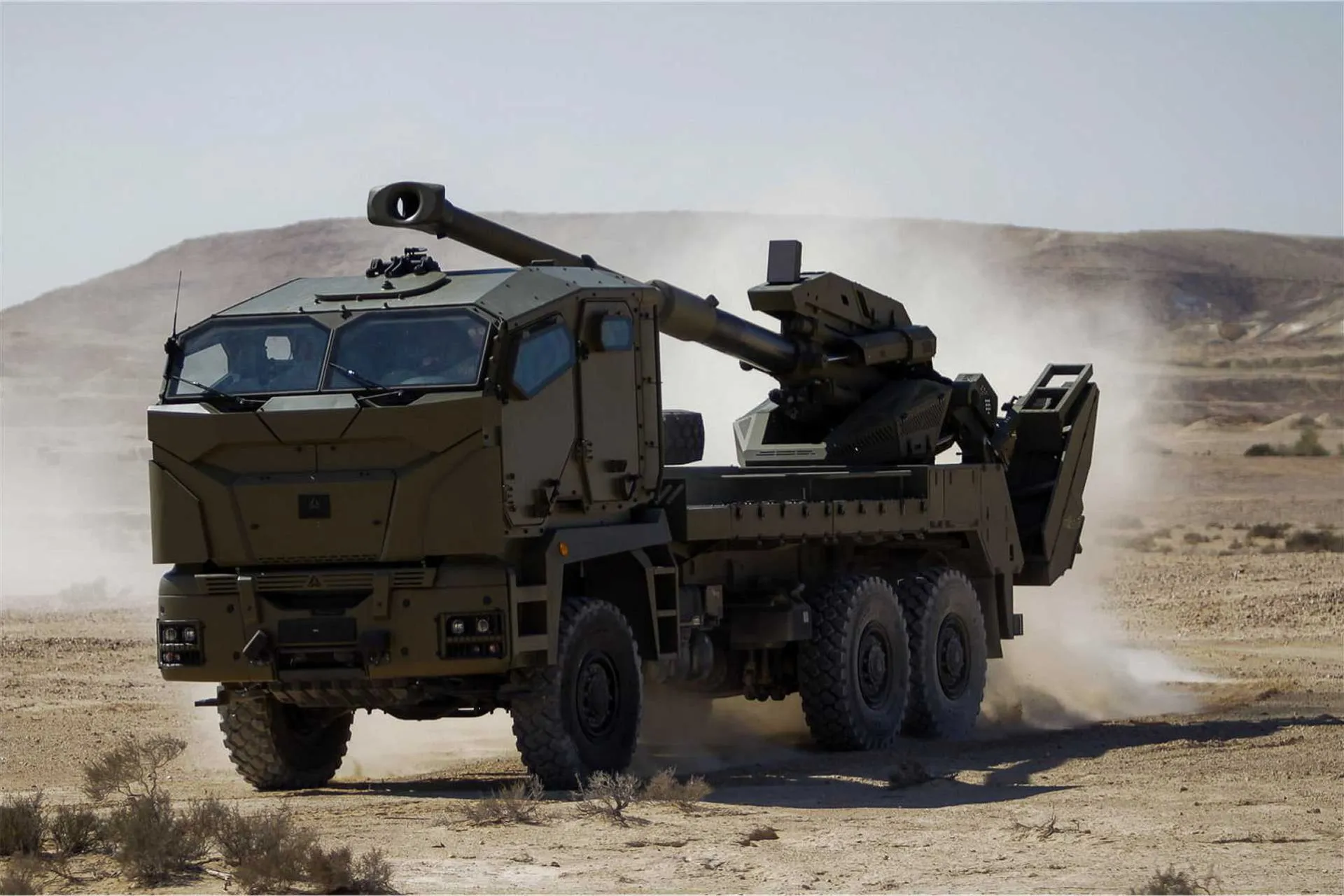
Morocco Chooses Israeli Artillery Over French Systems Amid Growing Defense Ties
Morocco Chooses Israeli Artillery Over French Systems Amid Growing Defense Ties.
RT
Ask Rio Times
17 years of Latin America reporting, on demand.
Open the full Ask Rio Times →

This procurement reflects Morocco’s growing military collaboration with Israel following the normalization of relations in 2020 under the Abraham Accords. The agreement, brokered by the United States, included American recognition of Morocco’s sovereignty over Western Sahara.

Africa Intelligence

One email, every weekday morning. African markets, politics and business — filed from our newsroom in Rio.

Yesterday’s subject line: “Eritrea accuses Ethiopia of eyeing a Red Sea port”

Free. We send a confirmation link first — nothing arrives until you click it. Unsubscribe with one click in any edition. If you stop opening us for 30 days we stop sending by ourselves, as we assume the interest is no longer there. See our privacy policy. We never share your email.

This was a critical issue for Rabat. Since then, Morocco has significantly expanded its defense ties with Israel, acquiring drones, radar systems, and air defense platforms like the Barak MX in a $500 million deal.

Israel’s Growing Defense Ties with Morocco

Israel has quickly become Morocco’s third-largest arms supplier, accounting for 11% of its total arms imports. This shift also highlights Morocco’s strategy to diversify its defense partners and reduce reliance on traditional suppliers like France.

French defense companies have faced setbacks in Morocco recently, including losing contracts for fighter jets to U.S.-made F-16s instead of France’s Rafale aircraft.

Morocco’s pivot toward Israeli technology underscores its focus on reliability and operational effectiveness amid regional tensions with Algeria over Western Sahara. While this partnership strengthens Morocco’s military capabilities, it also sparks domestic opposition.

This is largely due to widespread pro-Palestinian sentiment. Protests against normalization with Israel have occurred across the country, forcing Moroccan leaders to balance public opinion with strategic interests.

This deal signifies a broader realignment in Morocco’s defense policy as it prioritizes pragmatic partnerships over historical alliances. For Israel, it marks another step in expanding its influence in North Africa’s arms market.

This article was produced by The Rio Times’ automated newsroom system. How we use AI · Report an error · Editorial responsibility: Matthias Camenzind, Editor-in-Chief

Part of our ongoing coverage

Africa: The New Scramble — the great-power contest over the continent.

More from Northern Africa

Read More from The Rio Times

Rotate for Best Experience

This report is optimized for landscape viewing. Rotate your phone for the full experience.