Key Features of Property Management System Explained
(Sponsored) The day-to-day reality of managing vacation rentals can be surprisingly intense. Guest requests, bookings, cleaning schedules, payments: everything happens fast, and often at once.
A property management system helps keep control of that chaos. It’s not about replacing human work but about making it easier to handle.
What is a property management system?
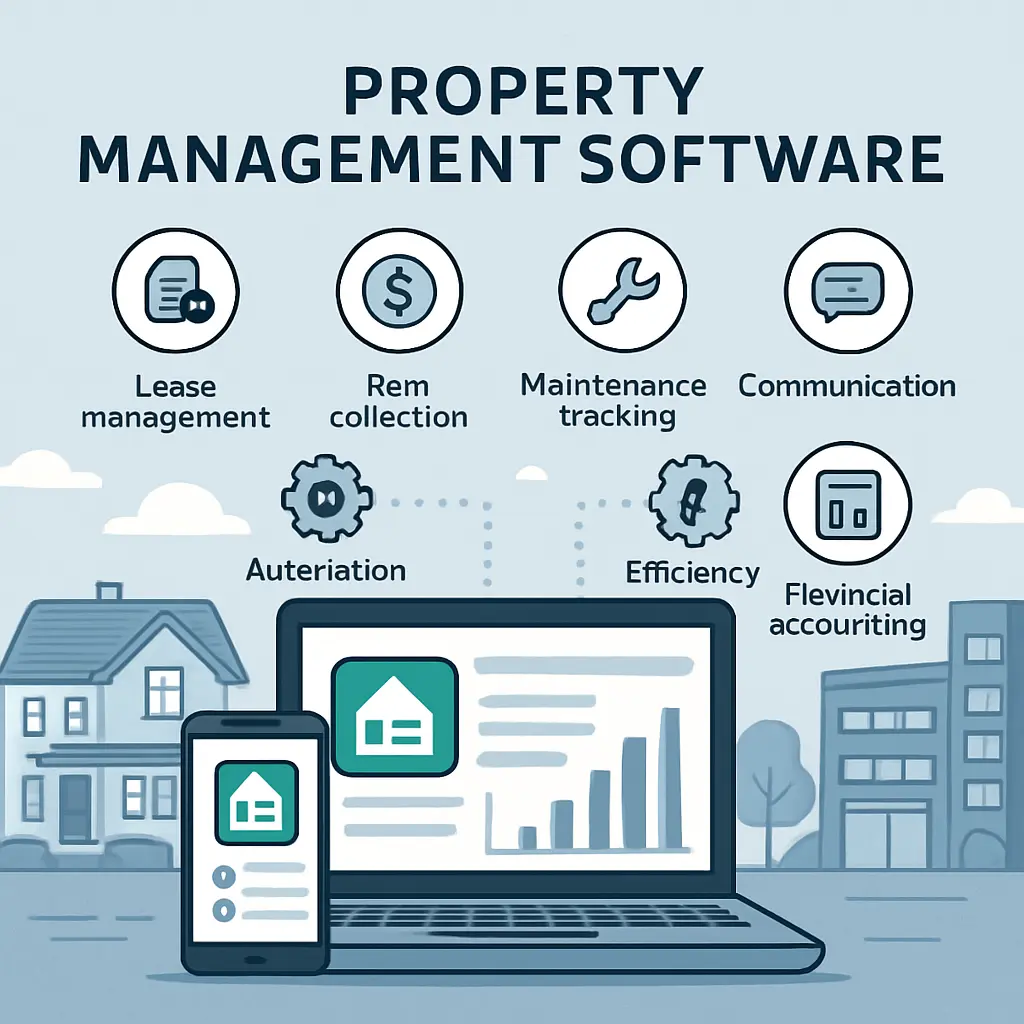
A property management system is software that supports multiple property management tasks within a single platform.
It automates updates, messaging, reporting, and financial tracking so that operations run smoothly and on time. The system works as the main hub, connecting different tools and keeping teams organized.
For short-term rentals, the PMS plays a very specific role. Unlike hotel software, which manages long stays and fixed rates, vacation rental systems deal with changing calendars, quick turnovers, and multiple booking channels such as Airbnb, Vrbo, and Booking.com.
The right PMS keeps those channels synchronized and avoids overlapping reservations, something that easily becomes a problem without automation.
How to choose the right property management system?
Choosing the right property management system depends on the business model and scale of operation.
Small portfolios might prefer a light, simple system. Larger teams often look for advanced options with smart automations and deep analytics.
A good PMS automatically updates calendars, sends guest messages, handles payments securely, and provides clear reports without extra effort.
Integration is also crucial. The platform should connect easily to pricing tools, smart locks, or housekeeping apps.
When everything fits together naturally, daily work feels smoother, and that’s often the turning point between stress and stability.
Benefits of a property management system
A PMS removes repetitive manual steps like confirming bookings, sending check-in details, or assigning cleaning tasks.
This not only minimizes errors but also frees time for improving guest experience and planning business growth.
Better coordination follows automatically. Cleaning staff, maintenance, and front-desk support can all work from one schedule.
Communication becomes faster and more consistent, which leads to better service and higher guest satisfaction.
Trying demos before committing
A live demo is always worth the time. Seeing how the system responds to real actions like creating a booking, changing a rate, checking messages, shows whether it fits naturally into existing workflows.
If it feels heavy or confusing from the start, it probably won’t improve later. Simple, intuitive software tends to perform best in the long run.
Better financial control and reporting
One of the main advantages of a property management system is financial visibility. Every transaction, expense, or commission can be reviewed in a single dashboard.
Automated invoices and payments prevent accounting mistakes, while analytics show which listings perform better. With this kind of clarity, decisions become more confident and data-driven rather than reactive.
The bottom line
A PMS provides the structure every rental operation needs to grow steadily. Centralizing multiple property management tasks within one property management system means fewer mistakes, stronger teamwork, and better experience for guests.
It turns complexity into something predictable, and that’s exactly what keeps a business moving forward.
This article was produced by The Rio Times’ automated newsroom system. How we use AI · Report an error
Read More from The Rio Times