US Drops Bid to Set Aside California Ballots
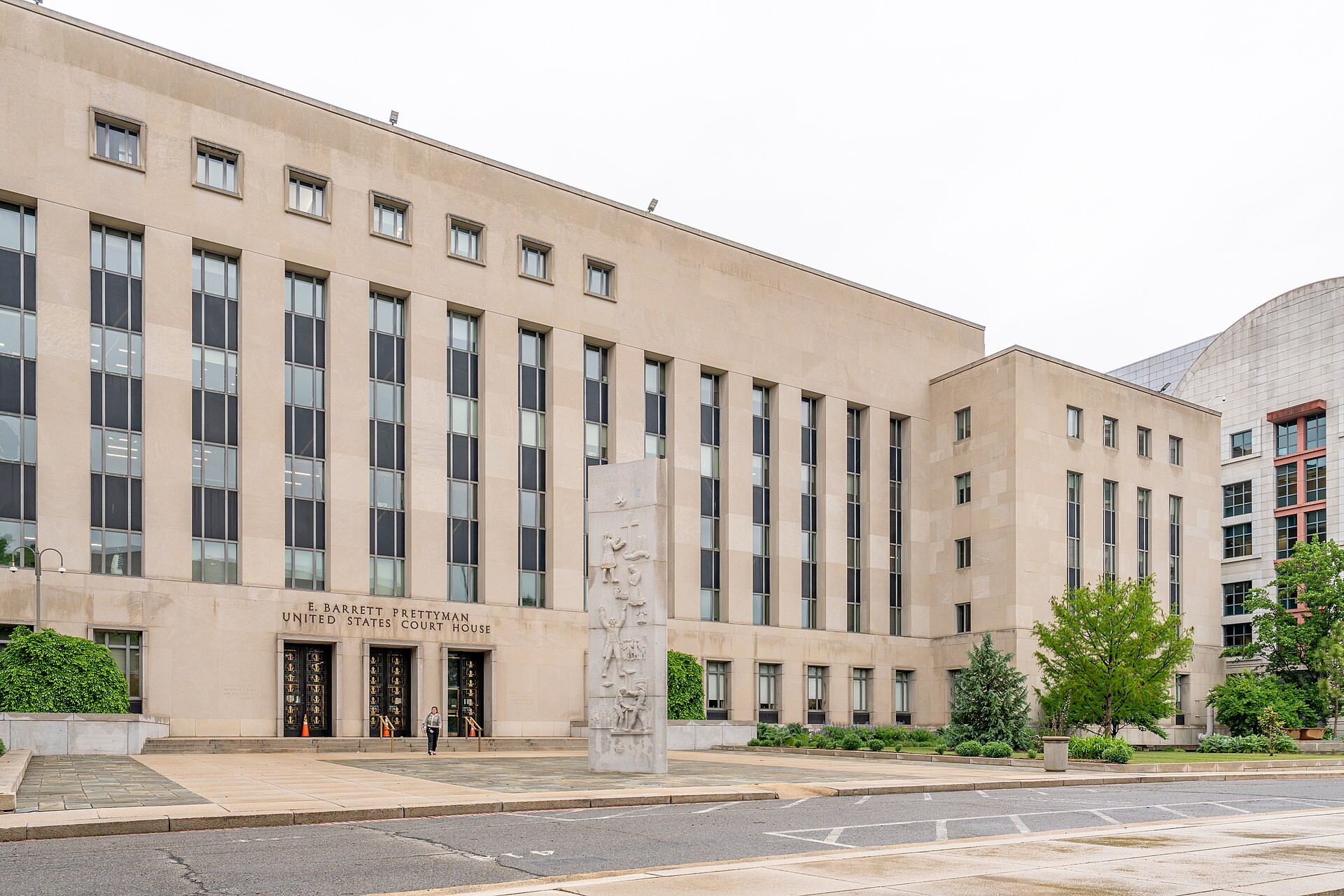
The US Department of Justice (DOJ) on Friday, 6 November 2026 moved to dismiss its own lawsuit demanding that California set aside about 20,000 mail ballots. The move ends a fight over how the most populous US state counts its votes, days after the US midterm elections, the nationwide vote for Congress.
- What: DOJ dropped its suit over about 20,000 ballots it said went to suspected noncitizens.
- Where: A federal court in California, before US District Judge David O. Carter.
- Why: DOJ told the court the relief it sought was “no longer available”.
- Next: A hearing on the government’s list was set for Friday, 13 November.
- As of 7 November 2026, 15:00 GMT
What Happened
DOJ filed the lawsuit on 15 October 2026 against California and Los Angeles County election officials. It wanted the ballots of roughly 20,000 voters, whom the federal government called likely noncitizens, held out of the count until their status was checked.
Judge Carter refused the emergency request on Wednesday, 28 October, and appointed a special master, a neutral expert, to test the list. His order said separating ballots in the middle of an election would “wreak havoc” and could cost eligible citizens their votes.
The Ninth Circuit Court of Appeals, the federal appeals court covering California, then rejected DOJ’s attempt to force the separation. On Monday, 2 November, the day before Election Day, the US Supreme Court declined to step in.
Why DOJ Says It Gave Up
In its Friday filing, DOJ said California would by the hearing date have “commingled the challenged ballots with lawful ones”. It wrote that “the relief the United States sought and needed is no longer available”.
The department used a federal rule that lets a plaintiff withdraw a case before the other side files an answer. Because of that route, the case ends without a final ruling on whether the list was right.
The List and the Dispute
California officials told the court the government’s list was out of date and included eligible voters. Judge Carter’s order echoed that concern.
DOJ said in a statement on Friday evening that it will keep prosecuting and litigating suspected election-law violations through other cases. It also backed a separate lawsuit, filed in May, that accuses California of not removing ineligible voters from its rolls.
What It Means for You
For California voters, the ballots in question stay in the count with all others. No court ordered them set aside.
For US readers watching election law, the episode shows courts rejecting a late federal demand to separate ballots. The broader fight over voter rolls and citizenship checks continues in other courtrooms.
What Is Not Known
We have not confirmed whether the dismissal bars DOJ from filing the same case again. Nor is it clear how many people on the government’s list were in fact noncitizens.
It is also unclear whether the court will still hold the 13 November hearing. Further filings should show whether the special master still has a role.
Frequently Asked Questions
Why did the Justice Department drop the lawsuit?
DOJ told the court that California would have mixed the challenged ballots with others before the hearing, so the relief it wanted was no longer available. The filing came four days after the Supreme Court declined to intervene.
What is a special master?
A special master is a neutral expert a judge appoints to examine facts and report back. Here, the expert was to assess the accuracy of the government’s list of suspected noncitizens.
Were the 20,000 ballots thrown out?
No, because courts refused DOJ’s requests to set them aside. California kept counting its ballots.
Does the fight over noncitizen voting end here?
No, because DOJ says it will pursue alleged violations in other cases. It also backs a separate suit over California’s voter rolls.
Sources: US Department of Justice (https://www.justice.gov/), notice of dismissal and statement of 6 November 2026; US District Court for the Central District of California (https://www.cacd.uscourts.gov/), Judge Carter’s order of 28 October 2026; US Supreme Court (https://www.supremecourt.gov/), order of 2 November 2026; California Secretary of State (https://www.sos.ca.gov/).
Editorial responsibility: Matthias Camenzind, Editor-in-Chief · Editorial standards · Report an error