In a dramatic turn of events, several foreign judges have recently resigned from Hong Kong’s top court.
This mass exit underscores deepening concerns about the city’s national security law imposed by Beijing.
Initially, the inclusion of foreign judges showcased Hong Kong’s judicial independence after it returned to Chinese control in 1997. Now, the landscape has drastically changed.
Prominent among the departures were British judges Lord Reed and Lord Hodge.
They argued that continuing in their roles would imply support for policies that clash with the ideals of political freedom and expression.
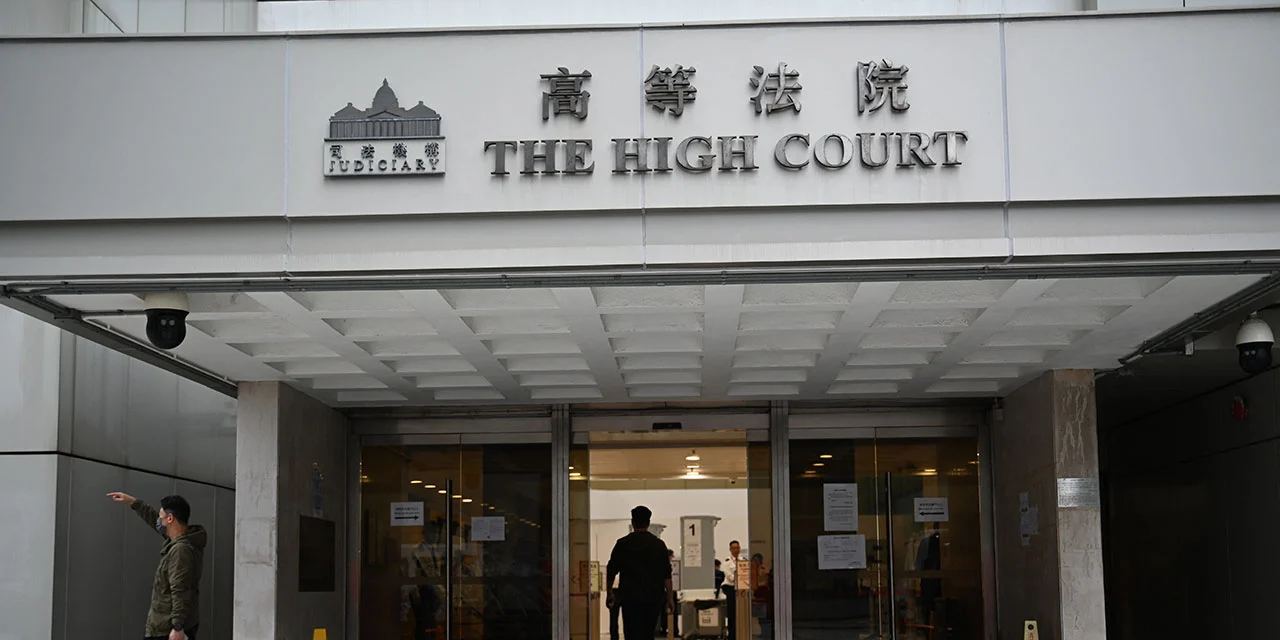
This step back by such key figures marks a decisive shift, signaling unease over the city’s current legal framework.
The British government backed these resignations, viewing them as a protest against the erosion of democratic values under the new law.
Enacted after 2019’s protests, this legislation has faced widespread criticism for diminishing Hong Kong’s autonomy and curtailing civil liberties.
Defending the law, Hong Kong officials claim it aligns with standard national security measures.
They denounced the judges’ decision, framing it as part of a false narrative against the city’s legal integrity.
In addition, this defensive stance reveals the tension at Hong Kong’s judicial core, now at a pivotal moment.
The situation poses significant challenges for maintaining the court’s international reputation and local efficacy.
The choices ahead concerning remaining and future non-permanent foreign judges will crucially impact Hong Kong’s legal independence and rule of law.
This unfolding story is not just about local governance but resonates globally, highlighting the delicate balance between national security and personal freedoms.
As Hong Kong’s judicial independence appears compromised, the international community watches closely.
In short, they understand that these developments have broader implications for global democratic norms.
This article was produced by The Rio Times’ automated newsroom system. How we use AI · Report an error
Read More from The Rio Times