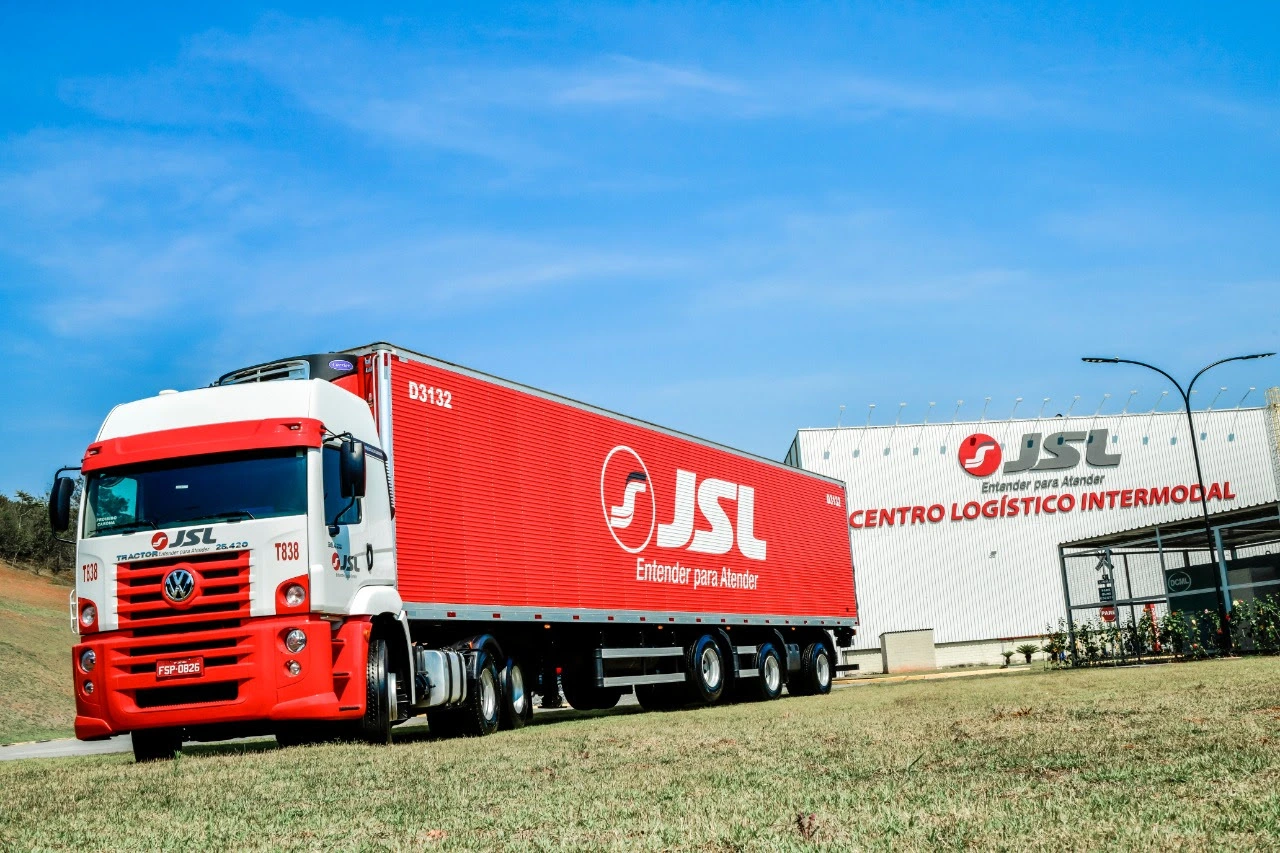
Brazil’s biggest road-freight company posts stronger second-quarter earnings, driven by agribusiness demand and a resilient economy. Here’s what it means for investors and expats.
JSL second-quarter results is the story. Brazil’s largest road-freight company delivered a steady second-quarter performance, with revenue of R$ 2,372.71 million (US$ 464.5 million) and net income of R$ 81.70 million (US$ 16.0 million). The numbers, released on 3 August 2026, show a business that keeps rolling despite high interest rates and a slow economy.
Key Facts
- Net revenue — R$ 2,372.71 million (US$ 464.5 million) in Q2 2026, up from the prior quarter.
- Net income — R$ 81.70 million (US$ 16.0 million), a solid profit margin of 3.4%.
- Core business — road freight and logistics, with a fleet of over 20,000 trucks.
- Demand drivers — agribusiness exports, e-commerce, and infrastructure projects.
- Acquisitions — no new deals announced in Q2; focus is on organic growth and debt reduction.
- Earnings date — results released on 3 August 2026, after market close.
What the Numbers Tell You: JSL second-quarter results
JSL’s revenue for the April–June quarter came in at R$ 2,372.71 million (US$ 464.5 million). That is a slight increase from the first quarter of 2026, when revenue was around R$ 2,310 million (US$ 452.3 million).
Net income of R$ 81.70 million (US$ 16.0 million) represents a margin of roughly 3.4 per cent. That is a healthy result for a logistics firm in a high-cost environment.
It shows JSL is managing fuel, labour, and maintenance costs well. The company has kept its operating expenses in check, even as diesel prices remain volatile across the country.
For a foreign investor, these figures confirm that JSL is a steady earner, not a spectacular one. The company is not growing at breakneck speed, but it is generating consistent profits.
The second-quarter performance also highlights the resilience of Brazil’s domestic freight market, which remains a key pillar of the national economy. Road transport moves about 65% of all cargo in Brazil, so JSL’s health is a useful barometer.
JSL’s fleet of more than 20,000 trucks covered millions of kilometres in the quarter, delivering everything from grain to retail goods. That scale gives the company a big advantage over smaller rivals.
Why Trucking Demand Is Up in Brazil
Brazil’s road-freight sector is enjoying a sweet spot. Agribusiness remains the biggest driver, with soy, corn, and meat exports flowing to ports.
JSL carries a large share of that cargo, and its dedicated agricultural contracts have expanded over the past year. The company now serves more than 40 farming cooperatives in the centre-west region alone.
E-commerce is another engine. Online retail continues to expand in Brazil, and that means more deliveries to cities and towns.
JSL’s dedicated contracts with major retailers provide a stable base of revenue. These agreements often include service-level guarantees, which cushion against market swings.
Infrastructure works, especially in the energy sector, are also helping. Wind and solar farms in the northeast need heavy equipment and materials hauled over long distances.
JSL has won several such contracts in recent quarters. In the second quarter alone, the company added two new renewable-energy logistics agreements, which will begin contributing to revenue in the latter half of the year.
The company also benefits from Brazil’s growing demand for cold storage transport. It operates a fleet of refrigerated trucks that carry perishable goods like meat, dairy, and fruits, which are in high demand both at home and abroad.
Acquisitions: Not This Quarter
JSL has been an active buyer in recent years, snapping up smaller trucking firms to expand its footprint. But in the second quarter of 2026, there were no new acquisitions announced.
That is not a bad sign. It suggests management is focused on integrating past purchases and paying down debt.
JSL’s net debt-to-earnings ratio has been trending down, and that discipline is good for shareholders. The company reduced its use by 0.3 times compared with the first quarter, bringing it closer to its long-term target.
What This Means for You
If you live in Brazil, you already see JSL’s work every day. Its trucks are on nearly every major highway, carrying everything from food to fuel.
A healthy JSL means smoother supply chains and fewer empty shelves. This is especially important for smaller towns that rely on regular deliveries of perishable goods.
For investors, JSL is a proxy for the Brazilian economy. When agribusiness exports rise, JSL profits, and when domestic consumption holds up, JSL benefits.
The company is a cyclical play with a strong balance sheet. One caveat: the exchange rate and fuel prices can squeeze margins, but for now JSL is navigating those challenges well.
The second-quarter results give no cause for alarm.
Why Trucking Runs Brazil
Brazil leans on its roads more than almost any large economy. Most goods that cross the country travel by truck, not by rail or river.
That makes a company like JSL a useful window into the wider economy. When factories ship more and shops restock, JSL’s trucks stay busy.
The market is also very fragmented. Thousands of small carriers own a handful of trucks each, so a large operator can grow simply by buying smaller rivals.
For an outside investor, the appeal is steady, everyday demand. People and businesses always need things moved, in good times and bad.
The Road Ahead
Analysts are watching JSL’s second-half performance closely. The harvest season in Brazil’s centre-west is a key driver, and logistics rates typically firm up in the third quarter.
JSL also stands to gain from the government’s infrastructure push. More investments in roads, railways, and ports will mean more freight for the company.
Full-year revenue is expected to top R$ 9.5 billion (US$ 1.86 billion), up from R$ 9.1 billion (US$ 1.78 billion) in 2025. This forecast assumes stable fuel prices and a continued recovery in industrial output.
For now, JSL remains a cornerstone of Brazil’s logistics landscape. The second quarter of 2026 was quiet, but profitable, and that is often the best kind of result.
Background: our brazil guide.
More: Brazil news in English, every day from The Rio Times.
Sources: es.investing.com, tradingview.com, spacemoney.com.br, euqueroinvestir.com, latestly.com
Frequently Asked Questions
What were JSL’s key financial results in Q2 2026?
JSL reported net revenue of R$ 2,372.71 million (US$ 464.5 million) and net income of R$ 81.70 million (US$ 16.0 million) for the quarter ended June 30, 2026. The results were released on August 3, 2026.
Why is JSL’s performance important for Brazil’s economy?
JSL is Brazil’s largest road-freight company, so its results reflect the health of the broader logistics sector. Strong trucking demand signals active agribusiness, retail, and industrial activity, which are key drivers of the national GDP.
Did JSL make any acquisitions in the second quarter of 2026?
No. JSL did not announce any new acquisitions during the second quarter of 2026. The company appears to be focusing on integrating past purchases and reducing debt rather than expanding through new deals.
How does the Brazilian real’s exchange rate affect JSL’s results?
A weaker real can boost the competitiveness of Brazilian exports, which benefits JSL’s agribusiness freight business. However, it also raises the cost of imported equipment and fuel, squeezing margins. JSL manages this through long-term contracts and fuel hedging.
Connected Coverage
This article was produced by The Rio Times’ automated AI newsroom. Editorial responsibility: Matthias Camenzind, Publisher and Editor-in-Chief. The Rio Times also runs Ask Rio Times, which answers from 100,000+ of our own articles, the daily Latin America Power Map, and prediction-market odds on elections and markets.. How we use AI · Report an error
Brazil runoff, Sunday, October 25: Brazil runoff date. Latest: Brazil runoff polls, Flávio 51%, Lula 49%.