Japan’s Nuclear Renaissance: Powering the A.I. Revolution
Japan is betting big on nuclear power to fuel its economic revival and tech-driven future. The country plans to boost nuclear energy’s share to 20% by 2040, more than doubling its current 8.5% contribution.
This dramatic shift marks a clear break from post-Fukushima policies that sought to reduce nuclear dependence. The driving force behind this change?
An expected 20% surge in electricity demand by 2040 is largely due to the expansion of AI-powered data centers. This increase is also driven by the growth of semiconductor factories.
Japan’s government recognizes that powering these energy-hungry industries requires a stable, low-carbon energy source. Alongside nuclear, Japan aims to increase renewable energy to 40-50% of its electricity mix by 2040.
This combined approach seeks to balance economic growth with ambitious emissions reduction targets, including a 73% cut by 2040 compared to 2013 levels.
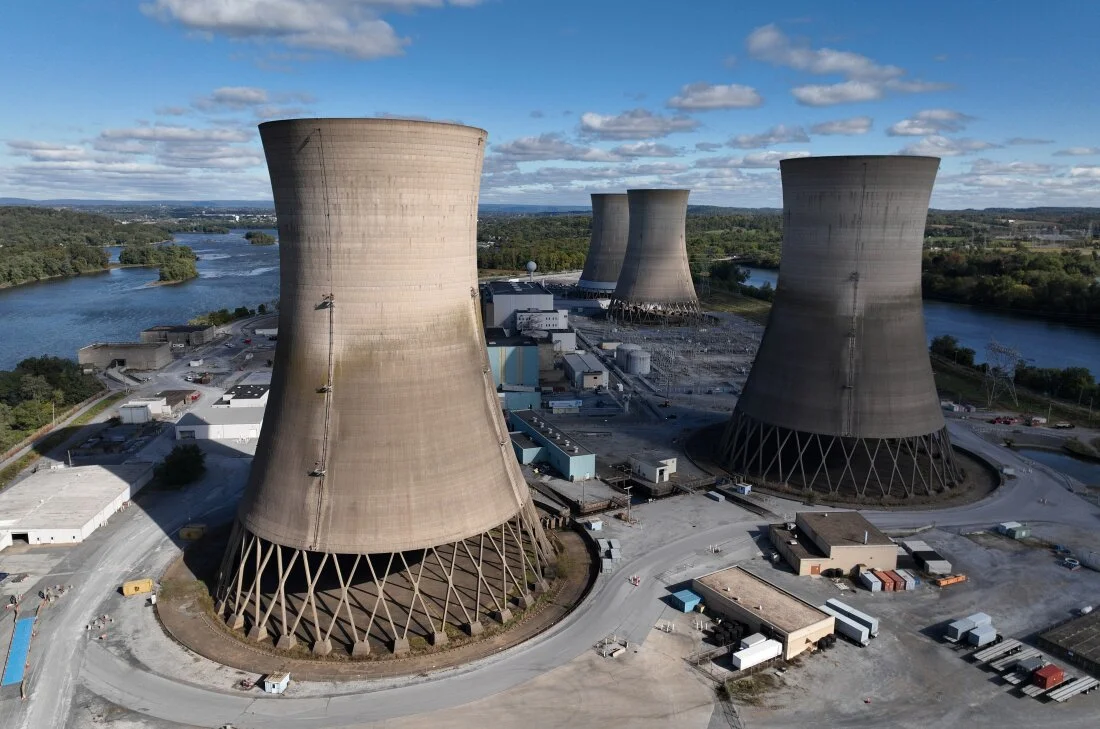
The nuclear revival faces challenges, including public skepticism and regulatory hurdles. However, the government is creating supportive financial policies, including loans, to encourage investment in the sector.
Japan’s energy shift could have global implications. It may reduce the demand for fossil fuels from major exporters and influence clean energy trends worldwide.
The strategy demonstrates Japan‘s adaptability in addressing energy security concerns while pursuing decarbonization goals. As Japan positions itself for an AI-driven future, it is embracing nuclear power as a key strategy.
This reflects a pragmatic approach to meeting growing energy needs. At the same time, Japan is committed to maintaining environmental sustainability.
This article was produced by The Rio Times’ automated newsroom system. How we use AI · Report an error
Read More from The Rio Times