Iraq Admits the Saudi Pipeline Attacks Came From Its Own Territory
GLOBAL · ENERGY
Key Facts
- —The admission Iraq’s government confirmed on 12 September that drone attacks on a Saudi pipeline came from Iraqi territory.
- —Where from Maysan province, in Iraq’s south.
- —The target The East-West Pipeline, also called Petroline, Saudi Arabia’s main route to the Red Sea.
- —The response Prime Minister Ali Falah al-Zaidi dismissed the provincial police commander and ordered an urgent investigation.
- —The words The attacks against our brothers in the kingdom of Saudi Arabia were launched from this province.
- —Why it matters for Latin America Petroline exists to bypass the Strait of Hormuz. An attack on it removes the alternative.
The pipeline that was built so oil would not have to pass Hormuz has been hit by drones launched from the country next door.
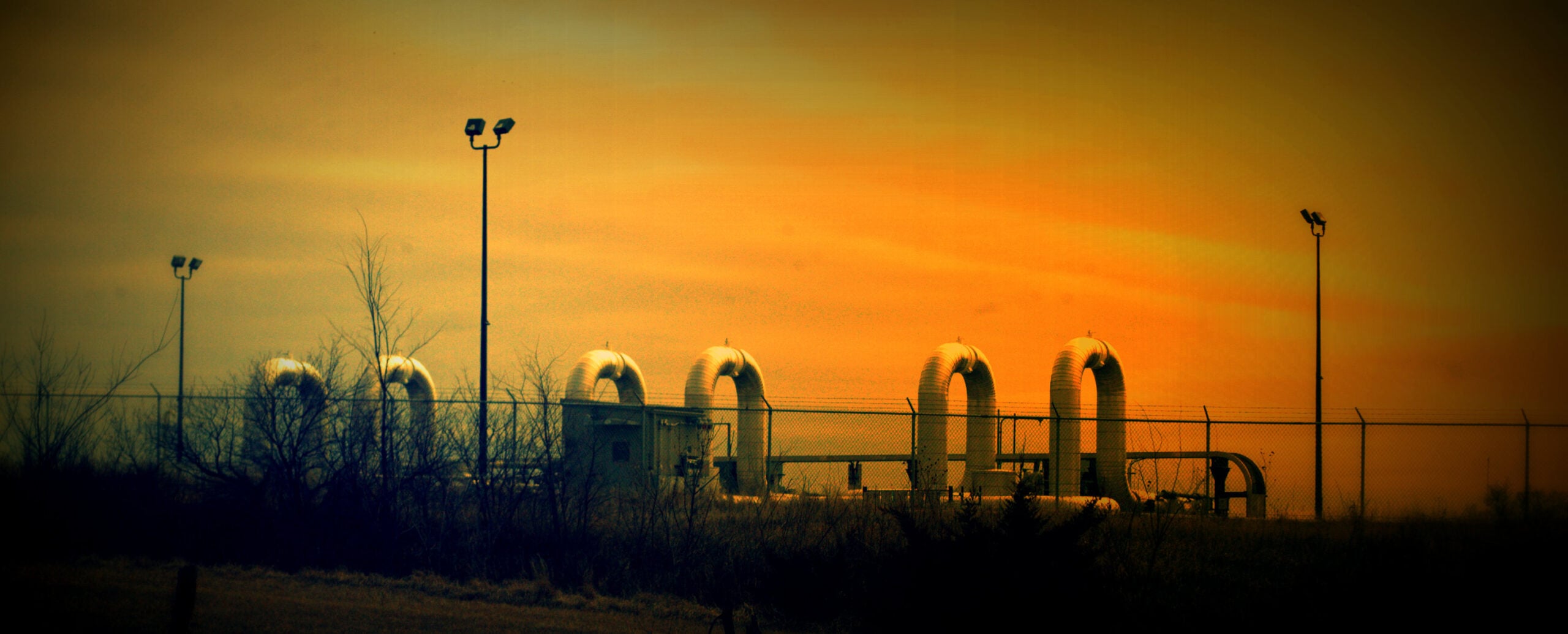
Iraq’s government said on Saturday that drone attacks on Saudi Arabia’s main westward oil pipeline were launched from Iraqi soil, and dismissed the police commander of the province they came from.
What Was Said
Prime Minister Ali Falah al-Zaidi stated that the attacks against Saudi Arabia were launched from Maysan province, dismissed the provincial police commander and ordered an urgent investigation.
An admission of this kind from Baghdad is unusual and costly. It concedes that armed groups inside Iraq are conducting attacks on a neighbouring state from Iraqi territory, which is precisely the accusation Iraq normally resists.
The Rio Times has not been able to establish the exact date of the original attack from the available reporting, which describes it only as recent.
Why Petroline Matters
The East-West Pipeline, known as Petroline, runs from Saudi Arabia’s eastern oil fields to the Red Sea terminal at Yanbu. It exists so that Saudi crude can reach international markets without passing through the Strait of Hormuz.
Hormuz is the chokepoint that every Middle East oil scare is ultimately about. Petroline is the insurance policy against it being closed.
Attacking the insurance policy is a different order of threat from attacking a field or a tanker. It narrows the alternatives rather than interrupting a flow.
The Latin American Read
Brent crossed US$100 a barrel on 9 September and has stayed above it. Brazil responded with a fuel subsidy package the planning ministry costs at around R$7 billion (about US$1.37 billion) a month, and Bolivia is preparing to remove its own fuel subsidy in 2027 with that price backdrop.
Colombia and Mexico gain on the export side and lose on the fiscal and inflation side. Chile and Peru, which import refined product, simply lose.
The Rio Times has not been able to confirm a specific oil price reaction to Saturday’s Iraqi statement and does not report one.
What is established is the direction of the risk. Every escalation that reaches infrastructure rather than shipping raises the floor under the price, and Latin American fuel subsidies are being written against that floor.
Who Is Operating in Maysan
Maysan sits on Iraq’s southeastern border with Iran and is among the provinces where Iran-aligned armed groups operate with the greatest freedom.
Baghdad’s difficulty is structural. Several of those groups are formally incorporated into the Iraqi security apparatus through the Popular Mobilisation Forces, which makes them simultaneously part of the state and outside its control.
That is why an admission of this kind carries weight. A government conceding that attacks on a neighbour originated from its territory is conceding the limits of its own authority, and dismissing a provincial police commander is the action available when the underlying problem is not.
What Petroline Can and Cannot Do
The East-West Pipeline has a capacity measured in millions of barrels a day and exists specifically to move crude to the Red Sea without entering the Gulf.
In a Hormuz closure scenario it is the principal alternative, alongside a smaller Emirati line to Fujairah. Between them they cannot carry everything the Gulf normally exports, which is why the strait remains the chokepoint even with the bypasses in place.
An attack on Petroline therefore does something specific to the risk premium. It does not interrupt supply in any material way, and it removes part of the reassurance that a Hormuz disruption could be worked around.
That is the mechanism by which infrastructure attacks raise the price floor while barely touching the physical flow.
More: Latin America news in English, every day from The Rio Times.
Frequently Asked Questions
What did Iraq admit?
That drone attacks on Saudi Arabia’s East-West Pipeline were launched from Maysan province in Iraq.
Who said it?
Prime Minister Ali Falah al-Zaidi, on 12 September 2026.
What action was taken?
The provincial police commander was dismissed and an urgent investigation ordered.
What is Petroline?
Saudi Arabia’s East-West Pipeline to the Red Sea terminal at Yanbu, built so crude can bypass the Strait of Hormuz.
Did oil prices move?
The Rio Times could not confirm a specific price reaction to the statement. Brent has been above US$100 since 9 September.
Sources: Teleprensa, AP, Euronews, The Hill.
This article was drafted with automated assistance and reviewed before publication. How we use AI · Report an error
Read More from The Rio Times