Business: Morocco
Key Facts
—Who. Morocco’s Ministry of Industry and Commerce, the National Defence Administration, Boeing, Airbus, Lockheed Martin, Safran, Royal Air Maroc and the French defence start-up Harmattan AI.
—What. Four agreements and one letter of intent, signed at the opening of the 8th Marrakech Air Show. They cover research, factory investment, local sourcing and drone production, not aircraft orders.
—Where. Marrakech, Morocco. The show opened on Wednesday 7 October 2026.
—Numbers. Safran plans to invest 120 million dirhams (about US$12 million) and create 100 jobs. Harmattan AI’s platform has a planned capacity of 55,000 systems a year.
—US link. Boeing and Lockheed Martin are partners in the research platform. Lockheed is also behind Morocco’s new F-16 Block 72 fighters.
—As of. 7 October 2026, 22:50 GMT.
Morocco signed five aerospace and defence deals at the Marrakech Air Show on Wednesday 7 October 2026, with Boeing, Airbus, Lockheed Martin and Safran joining a research platform. None is an aircraft order, which shows that Morocco wants to build rather than only buy.
What We Know
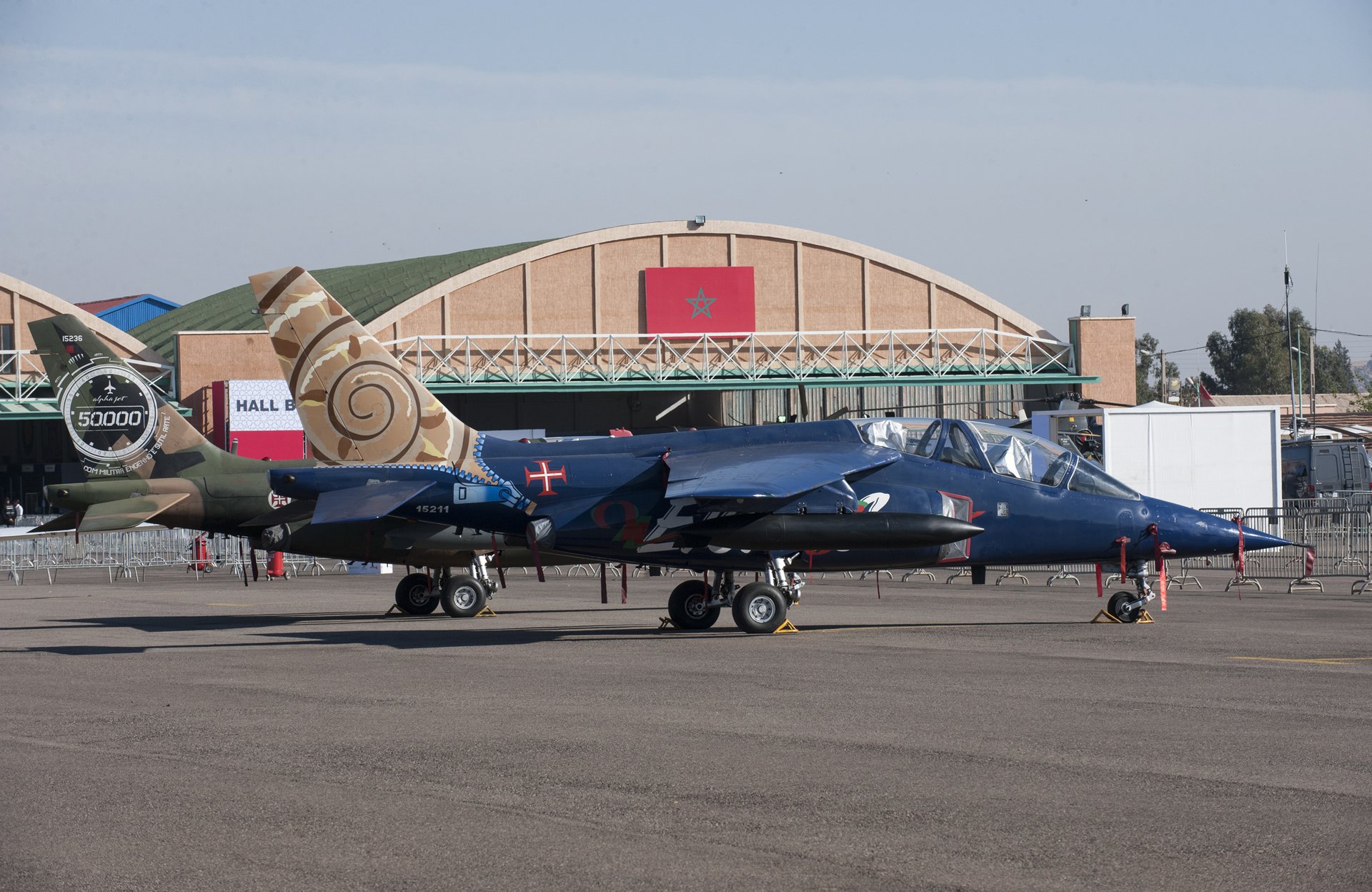
The 8th Marrakech Air Show opened on Wednesday 7 October 2026. The Moroccan press reported that five agreements were signed at the opening, four of them full agreements and one a letter of intent.
The first is a joint research platform at the Africa Center for Manufacturing Excellence (ACME), a centre linked to Mohammed VI Polytechnic University (UM6P). Boeing, Airbus, Lockheed Martin, Safran Nacelles and the engineering centre Cetim Maroc signed with the phosphate group OCP, which founded the university, the Ministry of Industry and Commerce and the National Defence Administration.
The platform is meant to pool equipment, coordinate research and train workers through the ACME Academy. Signatories included Hicham El Habti, Secretary General of OCP and President of UM6P, and executives from each of the four aerospace groups.
The second deal is a memorandum for a Safran Oil Systems factory that will make aircraft engine lubrication systems. The investment is 120 million dirhams (about US$12 million, at the EODHD rate of 9.97 dirhams to the dollar on 7 October) and is expected to create 100 jobs.
The third is a local-sourcing agreement between the Ministry of Industry and Commerce and Royal Air Maroc, the national airline. Minister Ryad Mezzour and the airline’s chief executive Hamid Addou signed it, and no amount was disclosed.
The Defence Side: Harmattan AI and the IRIFI Drone
The fourth agreement sets up an industrial platform with Harmattan AI, a French start-up that builds autonomous defence systems. Le360 reports a planned capacity of 55,000 systems a year, following a strategic partnership the company signed with the Royal Armed Forces in June 2026.
The letter of intent was signed by Abdellatif Loudiyi, the minister in charge of the National Defence Administration, and by Mouad M’Ghari, co-founder and chief executive of Harmattan AI. It covers the IRIFI, a long-range autonomous strike system that Morocco wants to buy, develop and manufacture at home.
A letter of intent is not a contract, and no price, quantity or delivery date has been published. The Moroccan press did not report any firm Airbus or Boeing aircraft order at the show.
Why Morocco Is Building, Not Just Buying
Morocco wants a bigger share of aerospace work than assembly alone. As we reported on 6 October, Lockheed Martin has been scouting Moroccan suppliers for its aircraft programmes.
Rabat is also modernising its air force, and we covered the first flight of Morocco’s F-16 Block 72. Local assembly and maintenance would let Morocco service such aircraft at home rather than abroad.
What Is Not Known
Only the Safran investment has a published figure. The values of the research platform, the Royal Air Maroc agreement and the Harmattan AI factory have not been disclosed.
It is also unclear where the Harmattan AI plant will be built and whether the IRIFI letter of intent will become a contract. Export permission for such weapons, in France or elsewhere, has not been discussed in the reports we reviewed.
What It Means for US Readers and Investors
Boeing and Lockheed Martin both sit inside the new research platform, so US aerospace suppliers gain a seat in Morocco’s growing industrial base. Companies that source parts from North Africa should watch which suppliers win Royal Air Maroc’s local contracts.
For investors, the disclosed numbers are small, but the direction is steady: more aerospace work moves to Morocco, close to Europe and Africa. The next test is whether the research platform and the Harmattan AI plant publish budgets and timelines.
More: Morocco news in English, every day from The Rio Times.
Frequently Asked Questions
What was signed at the Marrakech Air Show?
Morocco signed four agreements and one letter of intent on 7 October 2026. They cover a research platform, a Safran factory, local sourcing with Royal Air Maroc and drone production with Harmattan AI.
Did Morocco order aircraft from Airbus or Boeing?
No firm aircraft order was reported at the opening. Boeing and Airbus joined a research platform instead.
How much will Safran invest?
Safran Oil Systems will invest 120 million dirhams, about US$12 million, and create 100 jobs. The factory will make engine lubrication systems.
What is the IRIFI?
The IRIFI is a long-range autonomous strike system. Morocco and Harmattan AI signed a letter of intent to acquire, develop and produce it in Morocco.
Sources
Le360 · Yabiladi · Hespress · EODHD (USD/MAD)
Connected Coverage
This article was produced by The Rio Times’ automated newsroom system. How we use AI · Report an error · Editorial responsibility: Matthias Camenzind, Editor-in-Chief
Part of our ongoing coverage
Africa: The New Scramble — the great-power contest over the continent.