How the US is turning Ukraine into a war power
Since Russia’s 2022 invasion, the U.S. has sent Ukraine $43.9 billion in military aid.
According to Germany’s Kiel Institute, this is most of the Western military help Ukraine has received.
Before 2021, Ukraine’s defense budget was only $6 billion. Last year, it rose to $44 billion. Over half came from the U.S.
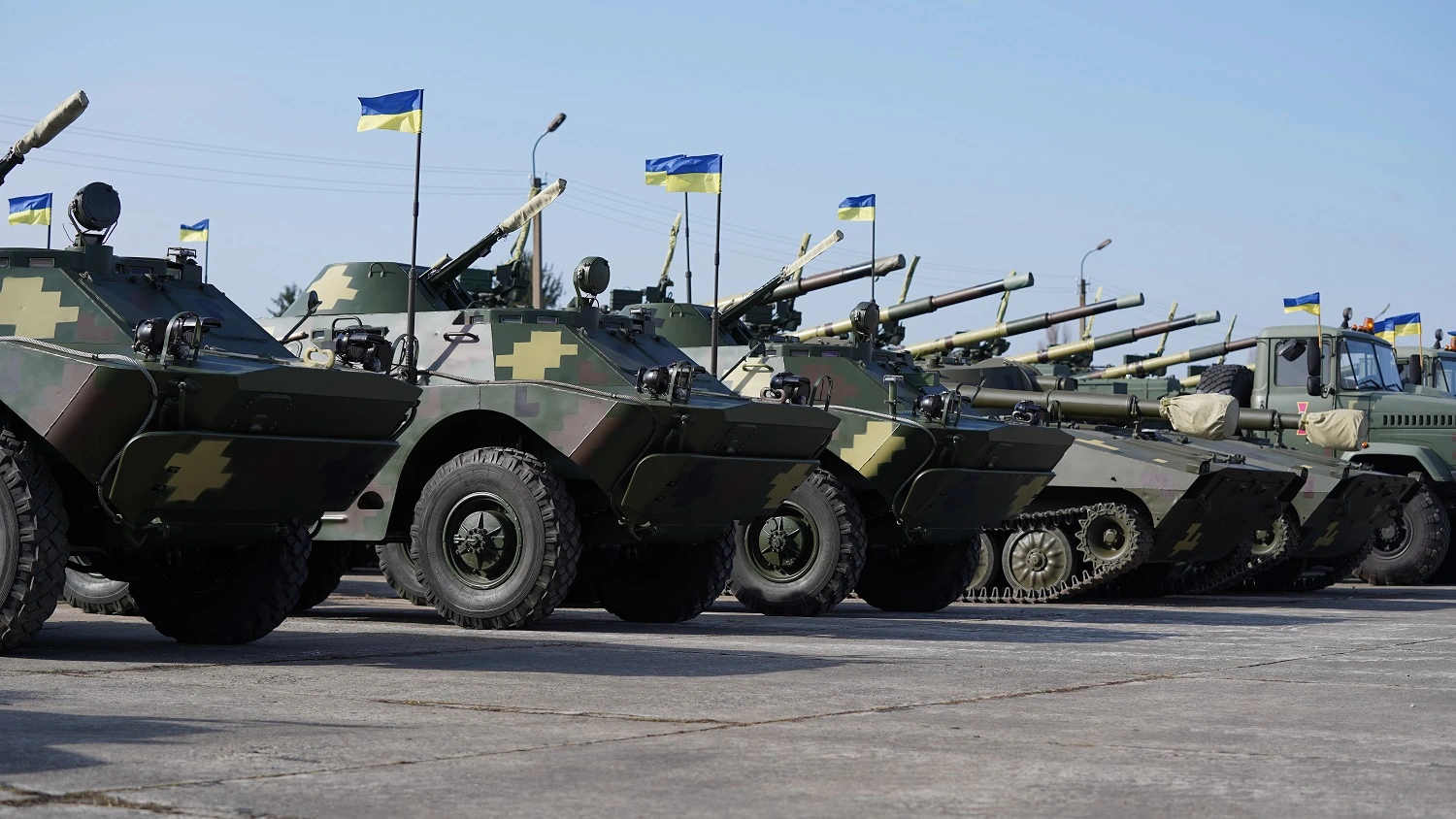
The U.S. aid package is diverse. For land forces, it includes 31 Abrams tanks and 45 T-72B tanks.
Also included are various armored vehicles and mine-resistant machines. In terms of air defense, Ukraine got Patriot missiles and Nasams systems.
Radar equipment is part of the deal too.
The U.S. has supplied Harpoon missile systems and patrol boats on the naval front. Anti-armor weapons like Javelin systems and TOW missiles are also sent.
Various types of small ammo and guided rockets round off the package.
This aid boosts Ukraine’s military power significantly. In 2021, its defense budget was one-third of Spain’s.
Now, it’s over twice that amount. The U.S. aid alone surpasses Spain’s total military spending by about $7 billion.
The substantial U.S. aid to Ukraine alters the balance of power in the region. It’s not just a lifeline; it’s a transformative move for Ukraine’s armed forces.
This massive influx of resources makes Ukraine more resilient, better prepared, and potentially more assertive.
Yet, the aid is a double-edged sword.
While it serves as a strong deterrent against further aggression, it could prompt an escalation from Russia, complicating diplomatic efforts for peace.
Background Ukraine as a War Power
The aid also underscores U.S. commitment to Ukraine, which may cause a ripple effect among other allies and foes alike.
This raises questions about the U.S.’s global strategy. Is Ukraine becoming a testing ground for a new form of U.S. engagement in regional conflicts?
And if so, what are the broader implications for U.S. foreign policy?
Moreover, the varied nature of the aid—covering land, air, and sea—shows a comprehensive approach to Ukraine’s defense.
This all-in-one package can be seen as a statement from the U.S., showcasing its ability and willingness to provide multifaceted military support.
However, it’s not just about hardware; it’s also about capabilities. Can Ukraine effectively use and maintain this advanced equipment?
Finally, as the aid package has economic ramifications, it becomes crucial to consider sustainability.
Can Ukraine’s economy absorb and sustain this high level of military spending in the long run?
And importantly, how will this U.S.-backed militarization influence Ukraine’s domestic policies and social fabric?
The answers to these questions will define not just Ukraine’s future but also the dynamics of global geopolitics.
This article was produced by The Rio Times’ automated newsroom system. How we use AI · Report an error · Editorial responsibility: Matthias Camenzind, Editor-in-Chief
Read More from The Rio Times