IBOV 186,340.46 ▲ 1.37% IPSA 10,969.49 ▼ 0.78% IPC MEX 64,951.10 ▼ 0.24% MERVAL 2,819,323 ▲ 1.32% COLCAP 2,549.16 ▼ 0.38% BVL PERÚ 60,410.88 ▼ 0.96% USD/BRL5.16▼ 0.76% USD/MXN18.07▲ 0.03% USD/CLP972.03▼ 0.10% USD/COP3,279▼ 1.65% USD/PEN3.45▲ 0.46% USD/ARS1,525▼ 0.03% USD/UYU40.24▲ 3.55% USD/PYG5,817▲ 2.25% USD/BOB11.97▲ 0.66% USD/DOP59.50▲ 0.51% USD/CRC454.26▲ 3.19% USD/GTQ7.64▲ 3.18% USD/HNL26.86▲ 0.43% USD/NIO36.62▲ 2.66% USD/VES858.02— 0.00% USD/PAB1.00— 0.00% USD/BZD2.00— 0.00% USD/JMD 157.28 — 0.00% USD/TTD6.72▲ 2.14% EUR/BRL5.85▼ 1.42% BRENT 88.88 ▼ 0.03% WTI 83.11 ▼ 0.11% IRON ORE 161.91 — — COPPER 6.61 ▲ 0.03% GOLD 4,461 ▲ 1.78% SILVER 65.59 ▲ 1.26% SOY 1,184 ▲ 3.20% CORN 480.50 ▲ 10.02% WHEAT 655.00 ▲ 3.93% COFFEE 317.25 ▼ 5.51% SUGAR 16.43 ▼ 1.79% ORANGE JUICE 138.55 ▼ 0.47% COTTON 85.03 ▲ 2.33% COCOA 5,719 ▲ 3.18% BEEF 223.60 ▼ 3.93% CATTLE 339.10 ▼ 3.16% LITHIUM 75.20 ▲ 1.47% PETR4 41.64 ▼ 0.05% VALE3 72.97 ▲ 0.83% ITUB4 38.60 ▼ 1.03% BBDC4 16.85 ▲ 0.36% ABEV3 14.89 ▼ 0.80% BBAS3 19.37 ▲ 0.47% B3SA3 14.26 ▼ 0.21% WEGE3 47.59 ▲ 0.49% PRIO3 59.14 ▼ 0.19% SUZB3 41.33 ▲ 2.35% RENT3 34.68 ▼ 0.09% AZZA3 15.89 ▼ 2.63% CSAN3 3.22 ▼ 1.83% RAIZ4 0.25 — 0.00% PCAR3 2.75 ▼ 0.36% GMAT3 3.65 ▼ 1.08% PSSA3 48.13 ▼ 0.54% CVCB3 1.33 ▼ 2.92% POSI3 3.36 ▲ 2.44% SLCE3 13.34 ▲ 0.30% NATU3 8.14 ▼ 0.73% IBOV 186,340.46 ▲ 1.37% IPSA 10,969.49 ▼ 0.78% IPC MEX 64,951.10 ▼ 0.24% MERVAL 2,819,323 ▲ 1.32% COLCAP 2,549.16 ▼ 0.38% BVL PERÚ 60,410.88 ▼ 0.96% USD/BRL 5.16 ▲ 0.01% USD/MXN 17.06 ▼ 0.24% USD/CLP 913.98 ▲ 0.04% USD/COP 3,140 ▲ 0.03% USD/PEN 3.36 ▼ 0.66% USD/ARS 1,493 ▲ 0.10% USD/UYU 40.27 ▲ 1.24% USD/PYG 5,939 ▲ 1.68% USD/BOB 11.64 ▼ 0.76% USD/DOP 58.34 ▲ 1.25% USD/CRC 445.92 ▲ 0.89% USD/GTQ 7.62 ▲ 2.21% USD/HNL 26.79 ▲ 1.57% USD/NIO 36.62 ▲ 0.69% USD/VES 762.44 ▼ 0.13% USD/PAB 1.00 — 0.00% USD/BZD 2.00 — 0.00% USD/JMD 157.28 — 0.00% USD/TTD 6.70 ▲ 0.61% EUR/BRL 5.95 ▲ 1.01% BRENT 88.88 ▼ 0.03% WTI 83.11 ▼ 0.11% IRON ORE 161.91 — — COPPER 6.61 ▲ 0.03% GOLD 4,461 ▲ 1.78% SILVER 65.59 ▲ 1.26% SOY 1,184 ▲ 3.20% CORN 480.50 ▲ 10.02% WHEAT 655.00 ▲ 3.93% COFFEE 317.25 ▼ 5.51% SUGAR 16.43 ▼ 1.79% ORANGE JUICE 138.55 ▼ 0.47% COTTON 85.03 ▲ 2.33% COCOA 5,719 ▲ 3.18% BEEF 223.60 ▼ 3.93% CATTLE 339.10 ▼ 3.16% LITHIUM 75.20 ▲ 1.47% PETR4 41.64 ▼ 0.05% VALE3 72.97 ▲ 0.83% ITUB4 38.60 ▼ 1.03% BBDC4 16.85 ▲ 0.36% ABEV3 14.89 ▼ 0.80% BBAS3 19.37 ▲ 0.47% B3SA3 14.26 ▼ 0.21% WEGE3 47.59 ▲ 0.49% PRIO3 59.14 ▼ 0.19% SUZB3 41.33 ▲ 2.35% RENT3 34.68 ▼ 0.09% AZZA3 15.89 ▼ 2.63% CSAN3 3.22 ▼ 1.83% RAIZ4 0.25 — 0.00% PCAR3 2.75 ▼ 0.36% GMAT3 3.65 ▼ 1.08% PSSA3 48.13 ▼ 0.54% CVCB3 1.33 ▼ 2.92% POSI3 3.36 ▲ 2.44% SLCE3 13.34 ▲ 0.30% NATU3 8.14 ▼ 0.73%
since 2009
Thursday, October 1, 2026

Higher Mexican wages raise concern for corporate relocation plans

By · May 24, 2023 · 3 min read

The LatAm Brief

One email, every weekday morning. What moved in Latin American markets, politics and expat life.

Yesterday’s subject line: “Colombia decides rates today, near its own debt ceiling”

Free. We send a confirmation link first — nothing arrives until you click it. Unsubscribe with one click in any edition. If you stop opening us for 30 days we stop sending by ourselves, as we assume the interest is no longer there. See our privacy policy. We never share your email.

By Kosuke Simizu

Three years after the renewal of the North American trade pact, Union demands, and tougher tariff reduction standards are putting pressure on manufacturers from Japan and other countries that have settled in Mexico.

The trend comes as risks to supply chains caused by tensions between the US and China accelerate an effort at “nearshoring,” moving production closer to target markets.

Free daily brief — no card needed
Get every Mexico story in one morning email
We build you a personalized brief around the topics you follow — free for 7 days. Love it? Your first month after that is US$1.

Recent obstacles may force companies seeking to take advantage of cheaper Mexican labor to produce goods for the neighboring US market to reassess their strategies.
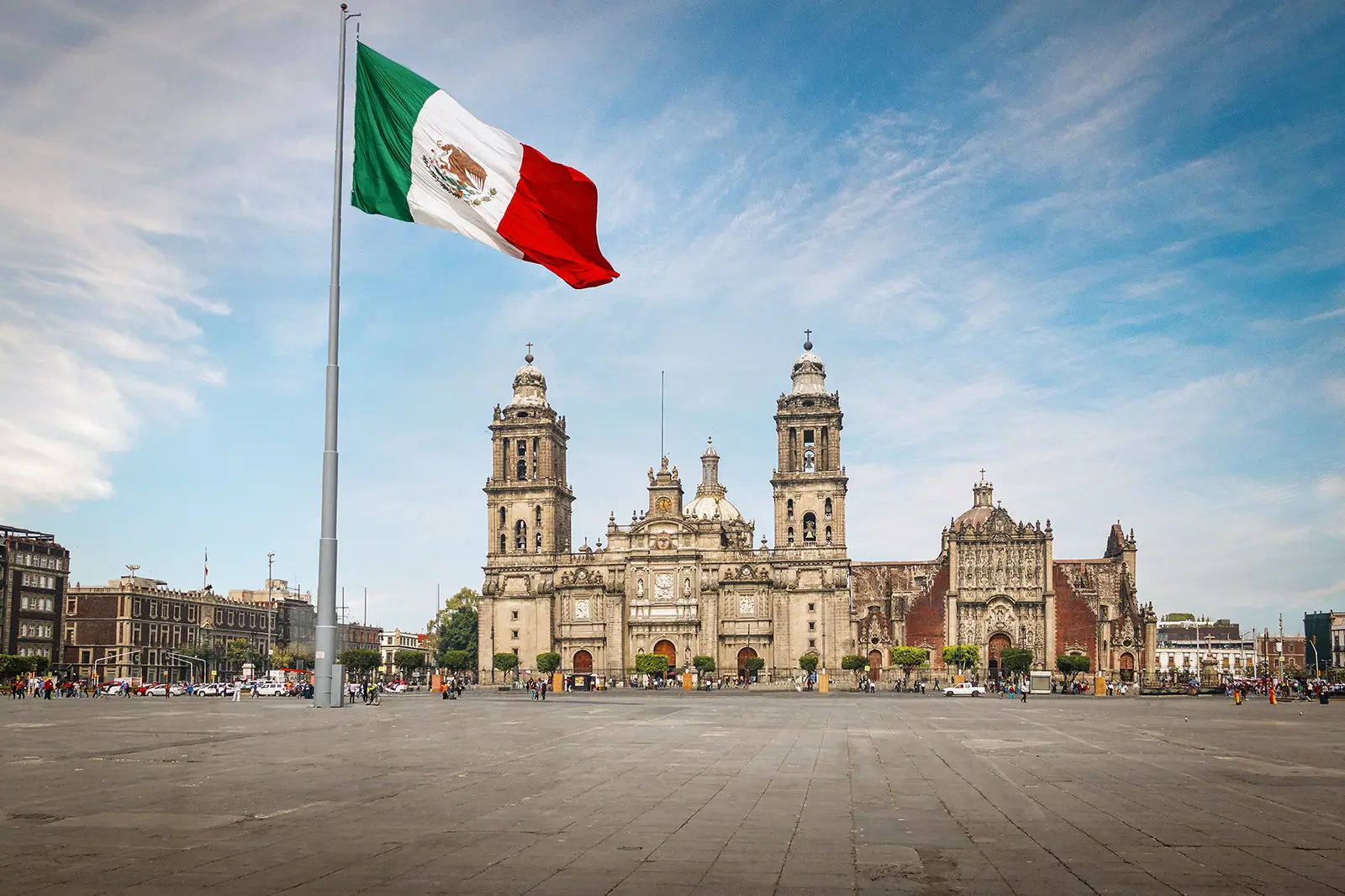
Higher wages mean a better standard of living and increased domestic demand in Mexico but is also likely to weigh on foreign companies operating in the country
One-stop reference
Company Intelligence
Every listed company in Latin America — financials, ownership and structure for 1,450+ companies across 26 exchanges, in one place.
Browse the directory →
RT
Ask Rio Times
17 years of Latin America reporting, on demand.
Open the full Ask Rio Times →

In March, General Motors (GM) agreed to raise wages at its Silao plant in central Mexico by 10%, beating local inflation and the previous 8.5% increase by 2022.

The National Independent Union of Automobile Industry Workers (Sinntia) called the agreement a “historic achievement” that surpassed the double-digit barrier not broken in the auto industry for years.

The increase at GM is part of a growing trend.

At Panasonic Holdings’ auto parts plant in Tamaulipas, a new union, which replaced one seen as too close to management, got a 9.5% pay raise by 2022.

A union at Nissan Motor’s plant in Aguascalientes also demands wage increases.

These increases stem partly from the US-Mexico-Canada Agreement (USMCA), enacted in July 2020 and replaced the North American Free Trade Agreement.

At the time, Donald Trump’s administration sought a model to increase production costs in Mexico to bring jobs back to the US.

The USMCA includes a clause that allows the US government to take action against employers who do not engage with unions.

The US Democratic Party traditionally emphasizes labor rights, and Joe Biden’s administration has been calling on the Mexican government to evaluate whether unions can negotiate higher wages and better working conditions effectively.

Higher wages mean a better standard of living and increased domestic demand in Mexico.

But this is also likely to weigh on foreign companies operating in the country.

About 1,300 Japanese companies operate in Mexico, more than in any other Latin American country.

“Japanese companies are starting to get worried about labor costs in Mexico,” says Takao Nakahata, director of the Mexican office of the Japan External Trade Organization.

In addition to wage increases, stricter rules to qualify for tariff exemption under the USMCA also weigh on companies operating in Mexico.

To qualify, products must contain nearly half the parts from factories that pay at least US$16 an hour.

But many in Mexico pay less than US$10, which means companies must source more components from US and Canadian suppliers that pay their employees better or bear the cost of tariffs.

As of December, 38% of gasoline-powered vehicles with 1.5- to 3-liter engines had not been subject to the USMCA’s tariff exemption, according to the US International Trade Commission.

The figure was 1% under the previous North American Free Trade Agreement.

Still, manufacturing in Mexico remains cheap in most cases, prompting companies to continue investing in the country.

The auto parts sector received US$3.58 billion in foreign direct investment in 2021, according to Mexico’s Economy Secretariat – the second-highest number ever recorded.

With information from Valor

News Mexico, English news Mexico, Mexican economy

Read More from The Rio Times

The Rio Times · Power Map
See who really holds power in Latin America
Click to open the Power Map →

Rotate for Best Experience

This report is optimized for landscape viewing. Rotate your phone for the full experience.