
GUINEA · POLITICS
Key Facts
- The country Guinea is a West African state led by Mamadi Doumbouya, a 2021 coup leader elected in December 2025.
- Why it matters The ministry approves broadcasters and sets digital rules in the country hosting the Simandou iron ore project.
- Why now A presidential decree on Monday 26 October filled a post left without a minister since 21 August.
- What happened Fana Soumah, a former minister and state broadcaster chief, was installed in Conakry on Wednesday 28 October.
- What it means for you No direct effect on US travelers; it matters to firms needing broadcast, telecom or digital approvals.
Guinea has put Fana Soumah back in charge of its communication ministry, the office that approves private and foreign radio and television stations and sets digital policy in the West African country. He was installed in Conakry on Wednesday 28 October 2026, two days after a presidential decree named him.
The appointment matters to US readers mainly through business and press freedom, because the same ministry holds broadcast, telecom and digital approvals in the country hosting the Simandou iron ore program. President Mamadi Doumbouya, who took power in a coup on 5 September 2021 and was inaugurated for a seven-year term on 17 January 2026, made the appointment by decree.
What Happened
A presidential decree read on state television on the evening of Monday 26 October named Soumah minister of communication, digital economy and innovation. The same announcement named Ramatoulaye Camara minister of employment, labor and social protection, a post also left without a minister since 21 August.
At the installation on Wednesday 28 October, Souleymane Bah, the ministry’s secretary general, who had run it on an interim basis for two months, pledged his support to the new minister. Aboubacar Camara, president of the Union of Free Radio and Television Stations of Guinea (URTELGUI), a private broadcasters’ group, attended and was reported to have said the appointment meant “the bridge has just been restored” between public and private media.
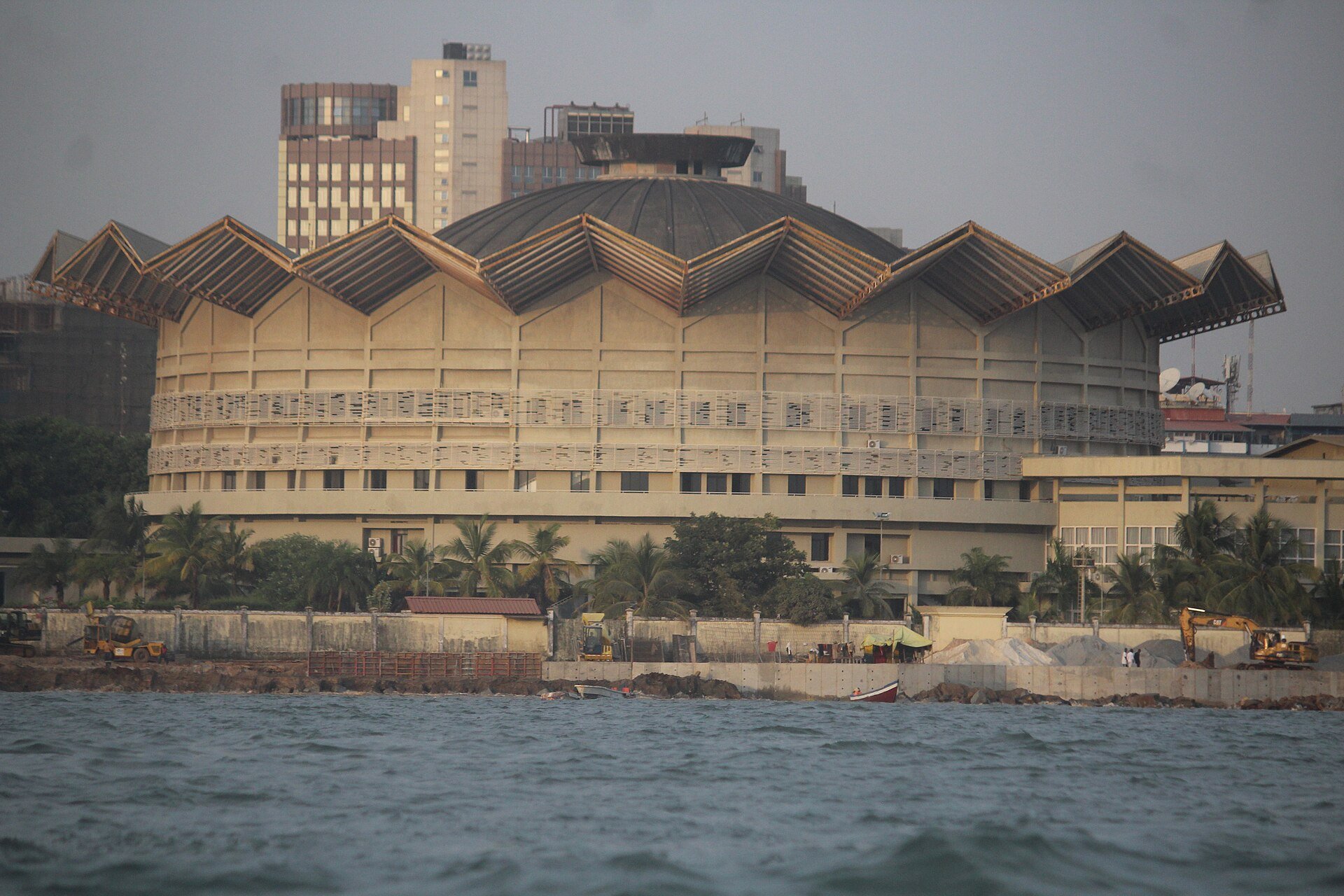
Soumah has held the post before, taking over what was then the Ministry of Information and Communication at a handover ceremony on Saturday 16 March 2024. He had run the state radio and television broadcaster since November 2021, and a separate explainer on Guinea’s media regulation sets out the wider context.
After the government resigned in January 2026, a decree made him communication adviser to the president, and he was installed in that role on Thursday 5 February 2026. The minister in between, Mourana Soumah, a former head of the public treasury, was dismissed by decree on Friday 21 August, and the decree stated no reason.
What He Promised
In his installation speech, Fana Soumah thanked President Doumbouya and Prime Minister Amadou Oury Bah and pledged to serve with “loyalty, rigor and determination.” He built his plan around three pillars: communication, the digital economy and innovation.
On communication, he promised “responsible, open and inclusive” public communication that strengthens trust between the state and citizens, “in line with the President’s guidelines.” He added that communication should be “an instrument of national cohesion.”
On the digital economy, he promised to modernize public services, raise business competitiveness, create jobs for young people and guarantee “equitable access to digital infrastructure.” He also named the national postal service and a start-up ecosystem as priorities.
On innovation, he tied his plans to Simandou 2040, the president’s development program, and promised conditions friendly to research and invention in education, health, agriculture and industry. He also pledged to keep projects already under way going.
What the Ministry Controls
A decree signed on Tuesday 6 October 2026 lists the ministry’s duties, which include running the government’s communication strategy and monitoring public media and advertising. It also gives the ministry the power to issue approvals for advertising and communication agencies and for the setting up and operation of private or foreign radio and television stations.
On the digital side, the same decree covers the national digital agenda, postal and telecom networks, licenses and concessions in those sectors, and cybersecurity and personal data protection. For a company or broadcaster working in Guinea, these are the decisions that now sit with the new minister.
What It Means for You
The appointment has no direct effect on US travelers or on American trade rules. It matters to US companies, broadcasters and investors that need broadcast, telecom or digital approvals in Guinea, a country covered in the Rio Times guide to Guinea’s politics, bauxite and Simandou iron ore.
Investors heading to the Simandou Mining Summit, scheduled for 11 to 14 November 2026 in Conakry, will deal with a government that says it wants to modernize public services and support start-ups. For media groups, the ministry’s power over private and foreign stations is the most relevant part of the job, since the minister’s speech promised “responsible and verifiable” information without naming specific rules.
What Is Not Known
The text of the 26 October decree was not on the government secretariat’s public decree list when checked on 29 October, although the ministry’s own website confirms the appointment. The decree that ended Mourana Soumah’s term on 21 August also gave no reason, and no specific explanation has been made public.
The installation speech gave no timetable, budget or specific rules for broadcasters or digital operators. What will change in practice for private and foreign stations, telecom licenses or data rules is therefore not yet known.
Frequently Asked Questions
Who is Guinea’s new communication minister?
Fana Soumah was installed on Wednesday 28 October 2026 as minister of communication, digital economy and innovation. He held the ministry before, from March 2024, and earlier ran the state broadcaster.
When was Fana Soumah appointed?
A presidential decree read on state television on Monday 26 October 2026 named him. He was formally installed two days later, on Wednesday 28 October.
What does Guinea’s communication ministry do?
It runs government communication, monitors public media and approves private and foreign radio and television stations. It also covers digital policy, telecom and postal networks, and cybersecurity, under a decree dated 6 October 2026.
Who leads Guinea’s government?
Mamadi Doumbouya has been head of state since a coup on 5 September 2021 and was inaugurated for a seven-year term on 17 January 2026. Amadou Oury Bah is the prime minister.
Sources: Presidency of Guinea, biography of President Mamadi Doumbouya; Presidency of Guinea, installation of new presidential advisers, 6 February 2026; Government Secretariat General, decree of 6 October 2026 on the duties of ministries (PDF); Government Secretariat General, public decree list, checked 29 October 2026; Ministry of Communication, Digital Economy and Innovation, installation of the new minister, 28 October 2026; Government of Guinea, handover at the Ministry of Information and Communication, 16 March 2024; Office of the Prime Minister of Guinea, October 2026; Guinean Office of Publicity, profile of Minister Mourana Soumah, 2026; Simandou Mining Summit organizers, 11 to 14 November 2026.
This article was produced by The Rio Times’ automated newsroom system. How we use AI · Report an error · Editorial responsibility: Matthias Camenzind, Editor-in-Chief