Grenada Explained 2026, the Spice Island at a Glance
GRENADA · COUNTRY GUIDE
Key Facts
- —What it is A small English-speaking Caribbean state of three main islands: Grenada, Carriacou and Petite Martinique.
- —Why it matters Grenada combines political stability, a tourism and education economy, and a citizenship-by-investment programme that draws global interest.
- —The numbers The East Caribbean dollar is fixed at EC$2.70 to US$1, and the country has six parishes plus two dependencies.
- —Who is who King Charles III is head of state, Dame Cécile La Grenade is Governor-General, and Dickon Mitchell is Prime Minister as of October 2026.
- —The catch Imported goods are expensive, roads are steep and narrow, and hurricane risk shapes housing, insurance and infrastructure decisions.
- —What it means for you A newcomer can expect a functioning Westminster democracy, English as the official language, and a slower pace of administration than in larger markets.
Grenada explained is the story of a small volcanic island state that turned spice, scenery and stability into a distinctive Caribbean identity. For a foreigner, it is a place where English, common law and a fixed exchange rate lower the entry barrier, but where island costs and hurricane exposure demand planning.
Grenada sits in the southeastern Caribbean, north of Trinidad and Tobago and south of Saint Vincent and the Grenadines. This guide explains the geography, people, politics, economy and daily life of the country known as the Island of Spice.
Geography and Physical Setting
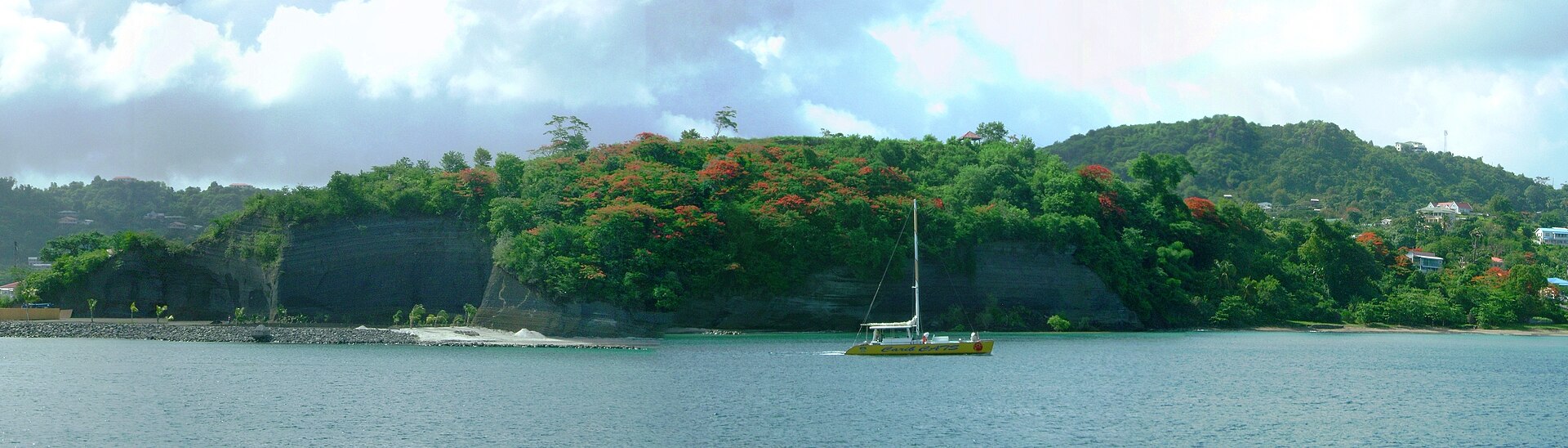
Grenada is a three-island state. The main island of Grenada is mountainous and volcanic in origin, with forested highlands, crater lakes, waterfalls and steep valleys. The smaller islands of Carriacou and Petite Martinique lie to the north and form part of the Grenadines chain.
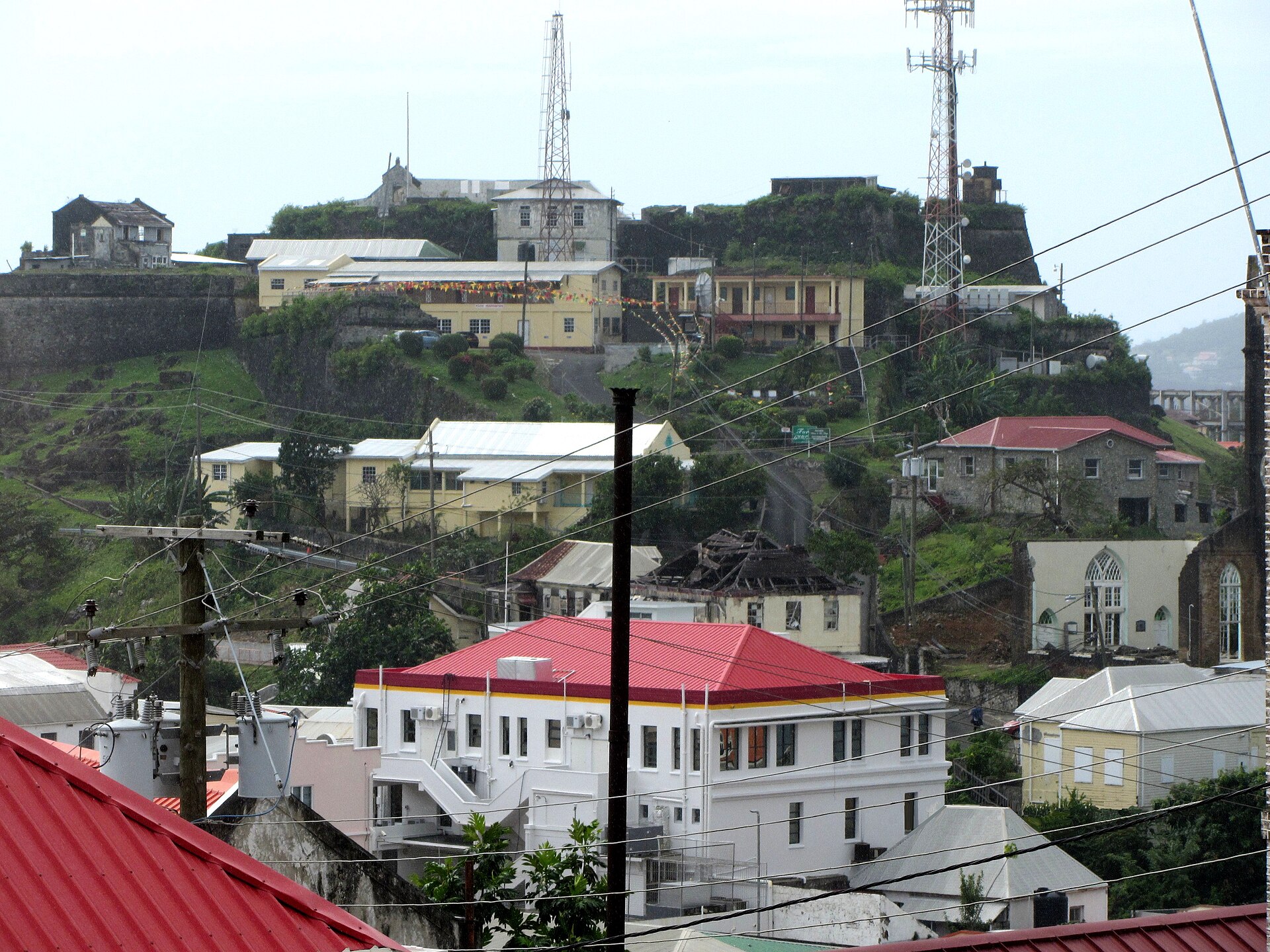
St George’s, the capital, sits on the southwest coast around a deeply indented harbour. It is one of the Caribbean’s most recognisable small capitals. The southwest contains much of the government, business, tourism and higher-income residential activity, while the north and interior are more rural, with agriculture, villages and forested terrain.
Carriacou has a drier landscape and a strong maritime and boatbuilding tradition. Petite Martinique is smaller and more closely associated with fishing, seafaring and inter-island trade. Roads across the country can be narrow, steep and winding, and driving is on the left-hand side.
The climate is tropical, with a generally drier season and a wetter season. Hurricane risk is a major consideration for housing, insurance, construction and public infrastructure. Grenada was severely affected by Hurricane Ivan in 2004. In July 2024, Hurricane Beryl caused catastrophic damage in Carriacou and Petite Martinique and significant disruption elsewhere. Disaster resilience, rebuilding and climate adaptation remain central policy concerns.
People and Identity
Grenadians are predominantly of African descent, reflecting the history of plantation slavery and emancipation. The population also includes people of mixed African and European ancestry, descendants of East Indian indentured workers, Europeans, other Caribbean nationals and a growing international community of expatriates, students, retirees and property owners.
Family networks often span several countries, especially Trinidad and Tobago, Barbados, Saint Vincent and the Grenadines, the United States, Canada and the United Kingdom. Migration has influenced household finances, education, professional life and housing demand.
Religion remains socially important. Christianity is the dominant religious tradition, with Roman Catholic, Anglican, Methodist, Pentecostal and other denominations present. Religious institutions commonly play roles beyond worship, including education, community support and social services.
English is the official language and the language of government, courts, education and business. Grenadian Creole English is widely heard in informal conversation. French Patois survives as a cultural and historical legacy, although it is not the principal language of public administration.
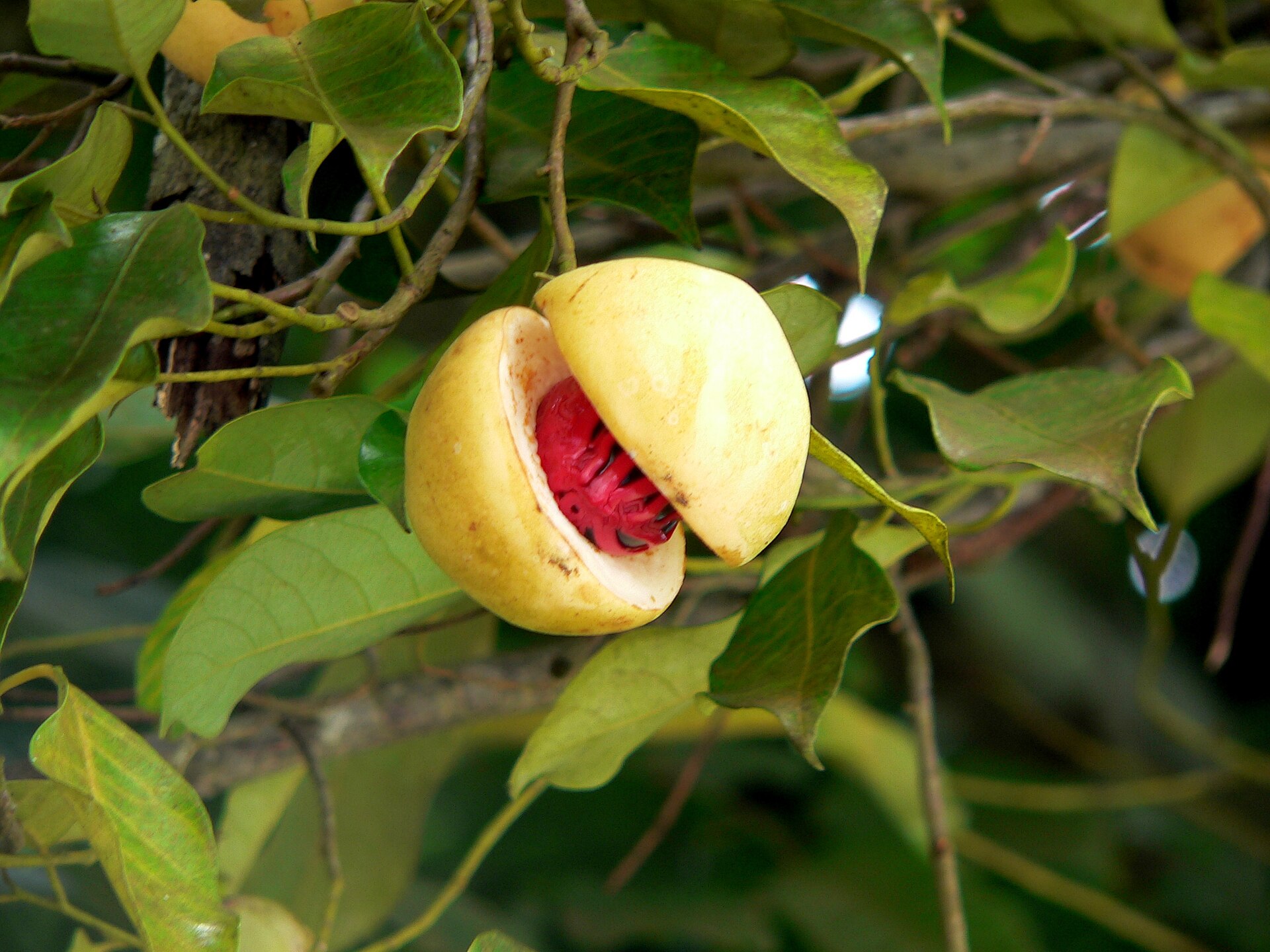
Grenadian identity is strongly expressed through spice agriculture, especially nutmeg and mace; Carnival, particularly Spicemas; cricket and football; music including soca, calypso, reggae and gospel; food such as oil-down, callaloo and fresh fish; and village and parish networks.
Political System
Grenada is a constitutional monarchy and parliamentary democracy. The constitutional framework dates from independence in 1974 and is based on the Westminster model. The King is the formal head of state. The Governor-General represents the King in Grenada. The Prime Minister is the head of government, and the Cabinet is the principal decision-making body of the executive.
Parliament consists of the Senate and the elected House of Representatives. Courts exercise judicial functions independently within the constitutional and statutory framework. The Governor-General appoints as Prime Minister the elected member of the House of Representatives who appears most likely to command majority support.
Current national officeholders
As of the official government directory updated on 15 January 2026, King Charles III is head of state. Her Excellency Dame Cécile La Grenade, GCMG, OBE, PhD, is Governor-General. Hon. Dickon Mitchell is Prime Minister. Hon. Dennis Cornwall is Minister for Finance. Hon. Joseph Andall is Minister for Foreign Affairs, Trade and Export Development. Hon. Adrain A. Thomas is Minister for Tourism, the Creative Economy and Culture.
Other cabinet members include Hon. Delma Thomas as Minister for Mental Health, Wellness, Religious Affairs, Sports and Youth Affairs, Hon. Lennox J. Andrews as Minister for Economic Development, Planning, Agriculture and Lands, Forestry, Blue Economy, Marine Resources and Cooperatives; Hon. Philip A. Telesford as Minister for Health; and Senator the Hon. David E. Andrew as Minister for Education. Senator the Hon. Gloria A. Thomas is Minister for Social and Community Development, Housing and Gender Affairs. Hon. Kerryne Z. James is Minister for Climate Resilience, the Environment and Renewable Energy. Hon. Tevin Andrews is Minister for Carriacou and Petite Martinique Affairs and Local Government.
Senator the Hon. Claudette Joseph is Attorney General and Minister for Legal Affairs, Labour and Consumer Affairs. Hon. Andy Williams is Minister for Mobilisation, Implementation and Transformation. Hon. Ron Livingston Redhead is Minister of State in the Office of the Prime Minister and minister responsible for digital transformation.
Political competition
Grenadian politics has historically been competitive and personality-driven, with two major traditions dominating national government: the New National Party and the National Democratic Congress. Dickon Mitchell’s National Democratic Congress formed the government after the June 2022 general election, ending the long tenure of former Prime Minister Keith Mitchell.
Political debate commonly centres on cost of living, public-sector wages, tourism and foreign investment, climate resilience, health-care capacity, education, public debt, housing and land prices, agricultural revival, and relations with CARICOM, the United States, the United Kingdom and other international partners.
Economy
Grenada’s economy is small, open and highly exposed to external conditions. Tourism is a leading source of foreign exchange and employment. Education services, construction, public administration, wholesale and retail activity, agriculture and remittances are also important.
Tourism attracts visitors for beaches, sailing, diving, yachting, hiking, wellness, culture and food. St George’s, Grand Anse, the south coast and the island’s marine assets are central to the tourism economy. Cruise tourism brings large visitor numbers but produces a different pattern of spending from stay-over tourism.
St George’s University is one of the country’s most important international institutions. Its students, faculty and visitors generate demand for housing, transportation, retail, restaurants, health care and professional services. The university gives Grenada an economic profile unusual for a country of its size.
Agriculture provides livelihoods in rural communities even though its share of total output is smaller than in the past. Nutmeg and mace are internationally associated with Grenada, but cocoa, bananas, fruit, vegetables, livestock and fisheries also matter. Construction and real estate support hotels, villas, infrastructure, post-disaster rebuilding and residential development. Government is a major employer and purchaser. Remittances from the United States, Canada, the United Kingdom and other countries support consumption, education, housing and small-business investment.
Currency and banking
Grenada uses the East Caribbean dollar, issued within the Eastern Caribbean Currency Union. The currency is fixed at approximately EC$2.70 per US$1. This arrangement reduces exchange-rate uncertainty for transactions linked to the United States but does not remove exposure to imported inflation, shipping costs or changes in global interest rates.
Commercial banking is concentrated in a small number of institutions. Residents and businesses should expect stricter documentation requirements for account opening, international transfers and source-of-funds checks than may have applied in the past. Compliance with anti-money-laundering and counter-terrorist-financing standards is increasingly important for property purchases, company formation and investment transactions.
Investment-citizenship programme
Grenada operates a citizenship-by-investment programme under which qualifying applicants may obtain citizenship through approved contributions or investments, subject to statutory requirements and due diligence. The programme has made Grenada relevant to globally mobile investors, but it is also a sensitive area of international regulation.
Prospective applicants should rely only on the government’s current programme rules and authorised agents. Requirements, fees, approved projects and processing policies can change. Citizenship should not be treated as an automatic guarantee of tax residence, visa-free access in every jurisdiction or permission to work in another country.
Society and Daily Life
Grenada imports a substantial share of its food, fuel, vehicles, construction materials, appliances and consumer goods. As a result, prices can be high relative to local wages, particularly for imported products and items sold in tourist areas. A newcomer’s expenses vary sharply according to lifestyle. Local produce, public markets and locally prepared food can be relatively affordable. Imported packaged food, wine, cars, electronics and building materials tend to cost more.
Daily life is shaped by the tropical climate, the importance of family and community networks, and the rhythm of public institutions. Government offices, schools and many businesses follow standard working hours, but the pace of administrative processes can feel slower than in larger markets. Patience and local relationships often matter as much as formal procedures.
For foreigners, the practical entry points are usually St George’s, Grand Anse and the south coast, where services, housing and international schools are concentrated. Carriacou and Petite Martinique offer a quieter, more maritime way of life but with fewer services and greater exposure to hurricane damage, as shown by Hurricane Beryl in July 2024.
What It Means for Foreigners and Investors
For a foreigner, Grenada explained comes down to a trade-off. The country offers English as the official language, a legal system based on English common-law traditions, a fixed exchange rate, and functioning constitutional institutions with regular elections. These features lower the entry barrier compared with many other small states.
The trade-off is that the small scale of the administration means regulatory capacity, project approvals and public-service delivery can be slower than in larger markets. Imported goods are expensive. Hurricane risk affects insurance, construction standards and long-term planning. Anyone buying property, starting a business or applying for citizenship should budget time and money for compliance and due diligence.
The most active sectors for foreign participation are tourism, real estate, education services and, for a narrower group, the citizenship-by-investment programme. St George’s University creates a steady demand for rental housing and services. The government’s focus on climate resilience and renewable energy, reflected in the creation of a dedicated ministry, signals where public spending and international cooperation are likely to flow.
What to Watch
Several long-term questions will shape Grenada’s trajectory. The first is disaster reconstruction and climate adaptation, especially in Carriacou and Petite Martinique after Hurricane Beryl. The second is the evolution of the citizenship-by-investment programme under international scrutiny. The third is the balance between tourism growth and local cost-of-living pressures, particularly around housing and land prices.
The fourth is the role of St George’s University as an economic anchor. The fifth is public debt and fiscal management, which remain central to political debate. The sixth is the pace of digital transformation, with a minister of state now responsible for the portfolio. None of these questions has a fixed answer, but together they define the risks and opportunities for anyone considering Grenada as a place to live, invest or do business.
Frequently Asked Questions
What is Grenada known for?
Grenada is known as the Island of Spice because nutmeg and mace remain important national symbols and agricultural products. It is also known for St George’s harbour, Grand Anse beach, St George’s University and its citizenship-by-investment programme.
What is the currency of Grenada?
Grenada uses the East Caribbean dollar, issued within the Eastern Caribbean Currency Union. The currency is fixed at approximately EC$2.70 per US$1.
Who is the Prime Minister of Grenada in 2026?
Hon. Dickon Mitchell is Prime Minister of Grenada according to the official government cabinet listing. He leads the National Democratic Congress, which formed the government after the June 2022 general election.
Is Grenada a good place for expats?
Grenada offers English as the official language, a common-law legal system, a fixed exchange rate and regular elections, which lower the entry barrier for expats. However, imported goods are expensive, roads are steep and narrow, and hurricane risk requires careful planning.
Does Grenada have citizenship by investment?
Yes, Grenada operates a citizenship-by-investment programme under which qualifying applicants may obtain citizenship through approved contributions or investments, subject to statutory requirements and due diligence. Requirements, fees and approved projects can change, so applicants should rely only on current government rules and authorised agents.
What are the main islands of Grenada?
The main islands are Grenada, Carriacou and Petite Martinique. Grenada is the largest and most populous, while Carriacou and Petite Martinique are smaller islands in the Grenadines with strong maritime traditions.
Sources: gov.gd, gov.gd, gndembassyprc.mofa.gov.gd, gov.gd, gndembassyprc.mofa.gov.gd, gov.gd. Retrieved 2 October 2026.
This article was produced by The Rio Times’ automated newsroom system. How we use AI · Report an error · Editorial responsibility: Matthias Camenzind, Editor-in-Chief
Read More from The Rio Times