Ghana has stopped exporting electricity to its West African neighbors, including Benin, Mali, Côte d’Ivoire, Togo, and Burkina Faso.
President Nana Akufo-Addo’s directive from April 2024 came to light after a silent month.
This pivot seeks to shore up energy for Ghana‘s own turbulent supply, heavily affecting local economies and daily life.
Samuel Atta-Akyea, Parliament’s energy chair, remarked, “This tough decision was critical for meeting our urgent domestic needs.”
Despite its status as a relatively well-electrified nation, Ghana battles persistent power outages caused by aging and neglected infrastructure.
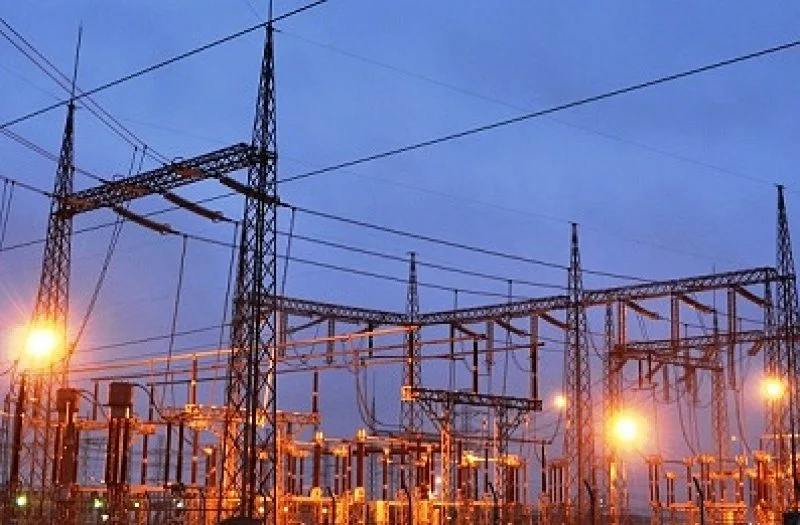
The country boasts an installed capacity of over 4,132 MW, with a mix of 38% hydro, 61% thermal, and a sliver of solar.
Yet, these resources are insufficient against the backdrop of escalating demand and persistent fuel shortages.
Implemented in May, the export suspension has already triggered considerable revenue drops, notes Abdul Wahab, director at the Volta River Authority.
Nonetheless, there is optimism about potential donor assistance to cushion the financial blow.
Navigating Ghana’s Energy Crisis
The energy sector’s $3 billion debt adds another layer of complexity, impeding fuel procurement and effective power generation.
Opposition member Edward Bawa lambasted the government’s poor management, underscoring the need for financial prudence to secure energy supplies and address the generation gap.
Ben Boakye of the Africa Centre for Energy Policy highlights the broader stakes: jeopardizing regional energy ties and risking significant foreign exchange deficits.
This could also heighten diplomatic tensions, especially with Côte d’Ivoire, which relies on Ghana for grid stability.
Moreover, the ongoing conflict in northern neighboring countries exacerbates regional instability, making Ghana’s power cuts a matter of national security.
The power crisis underlines the necessity for regional cooperation in energy matters, suggesting shared responsibilities could alleviate national shortages.
In tackling these issues, Ghana must focus on securing fuel, clearing sector debts, ensuring policy transparency, and enhancing capacity.
These steps are pivotal as Ghana navigates the delicate interplay of domestic demands and regional diplomatic relations, aiming to stabilize both its own and the broader West African energy landscape.
More: Ghana news in English, every day from The Rio Times.
This article was produced by The Rio Times’ automated newsroom system. How we use AI · Report an error
Part of our ongoing coverage
Africa: The New Scramble — the great-power contest over the continent.
Read More from The Rio Times