G7 Unveils Plan to Secure Critical Minerals and Reduce Dependence on China
The Group of Seven (G7) countries have announced a new plan to protect their access to critical minerals, essential for modern technologies and economic security.
This move responds directly to recent supply disruptions caused by China’s export restrictions on rare earth elements and magnets, which affected industries worldwide.
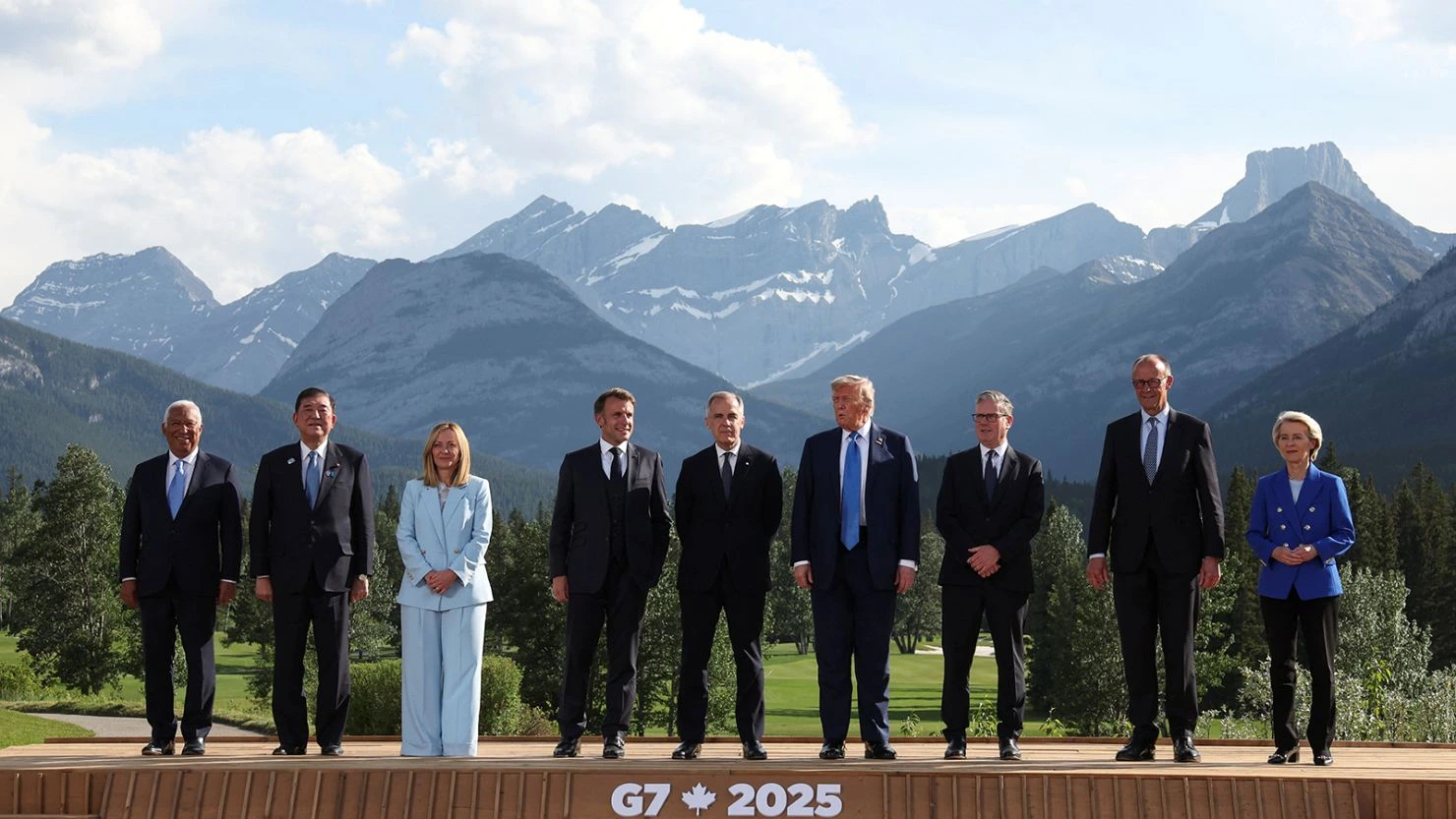
The announcement came during the G7 summit in Canada, where leaders agreed on a strategy to diversify mineral sources, encourage responsible mining, and strengthen supply chains.
Critical minerals such as lithium, cobalt, copper, and rare earth elements are vital for electric vehicles, renewable energy, electronics, and defense systems.
China currently controls between 60% and 90% of the processing capacity for these minerals and holds a dominant position in global supply chains.
Over the past decade, Chinese firms invested heavily—more than $16 billion in 2023 alone—in mining projects overseas, particularly in Africa, Latin America, and Asia.
This has allowed China to secure control over key resources like cobalt in the Democratic Republic of Congo and lithium in South America’s Lithium Triangle. The G7’s plan aims to reduce this heavy reliance on China by building more resilient and transparent supply chains.
The countries involved will work together to promote investments in mining and processing projects that follow strict environmental, social, and governance standards.
They also plan to support recycling and innovation to lessen the need for new mining. The strategy includes preparing for potential shortages, coordinating responses to market disruptions, and expanding domestic production where possible.
G7 Drives Investment in Brazil’s Critical Minerals
Brazil, with its large reserves of lithium, copper, niobium, and rare earths, has emerged as a key player. The country is developing policies to attract investment and speed up mining approvals while ensuring sustainable practices.
Chinese companies have already increased investments in Brazil, producing significant shares of global niobium output. The International Energy Agency estimates that meeting the growing global demand for critical minerals will require investments ranging from $590 billion to $2 trillion by 2040.
So far, G7 nations have allocated around $13 billion toward related projects, but experts agree this amount must increase substantially to secure future supplies.
This coordinated effort by the G7 reflects a practical response to real economic and security risks. It acknowledges that non-market policies and monopolistic practices in the minerals sector threaten access to essential resources.
By diversifying sources, enforcing responsible mining standards, and encouraging innovation, the G7 hopes to reduce vulnerabilities in supply chains critical to the global economy and national defense.
The plan also highlights the importance of working with partners beyond the G7 to ensure stable access to these minerals. As the world transitions toward cleaner energy and advanced technologies, securing critical minerals has become a strategic priority for economic stability and technological progress.
All information presented here is based on official G7 statements, international agency reports, and verified data from government sources. No speculative or unverified claims have been included.
More: DR Congo news in English, every day from The Rio Times.
This article was produced by The Rio Times’ automated newsroom system. How we use AI · Report an error · Editorial responsibility: Matthias Camenzind, Editor-in-Chief