IBOV 171,906.72 ▲ 0.51% IPSA 11,537.97 ▲ 1.76% IPC MEX 66,101.04 ▲ 0.57% MERVAL 2,990,152 ▲ 2.64% COLCAP 2,492.22 ▲ 1.34% BVL PERÚ 60,222.25 ▼ 0.22% USD/BRL5.16▲ 0.38% USD/MXN16.92▲ 0.06% USD/CLP911.58▼ 0.37% USD/COP3,057▲ 0.46% USD/PEN3.35▼ 0.07% USD/ARS1,509▲ 0.63% USD/UYU40.18▼ 0.03% USD/PYG5,989▼ 0.11% USD/BOB11.44▲ 0.09% USD/DOP58.07▼ 0.99% USD/CRC446.05▼ 0.89% USD/GTQ7.62▼ 0.04% USD/HNL26.82▲ 0.02% USD/NIO36.62— 0.00% USD/VES782.70▲ 0.48% USD/PAB1.00— 0.00% USD/BZD2.00— 0.00% USD/JMD 157.28 — 0.00% USD/TTD6.72▲ 0.25% EUR/BRL6.01▲ 0.25% BRENT 88.88 ▼ 0.03% WTI 83.11 ▼ 0.11% IRON ORE 161.91 — — COPPER 6.61 ▲ 0.03% GOLD 4,461 ▲ 1.78% SILVER 65.59 ▲ 1.26% SOY 1,184 ▲ 3.20% CORN 480.50 ▲ 10.02% WHEAT 655.00 ▲ 3.93% COFFEE 317.25 ▼ 5.51% SUGAR 16.43 ▼ 1.79% ORANGE JUICE 138.55 ▼ 0.47% COTTON 85.03 ▲ 2.33% COCOA 5,719 ▲ 3.18% BEEF 223.60 ▼ 3.93% CATTLE 339.10 ▼ 3.16% LITHIUM 75.20 ▲ 1.47% PETR4 41.64 ▼ 0.05% VALE3 72.97 ▲ 0.83% ITUB4 38.60 ▼ 1.03% BBDC4 16.85 ▲ 0.36% ABEV3 14.89 ▼ 0.80% BBAS3 19.37 ▲ 0.47% B3SA3 14.26 ▼ 0.21% WEGE3 47.59 ▲ 0.49% PRIO3 59.14 ▼ 0.19% SUZB3 41.33 ▲ 2.35% RENT3 34.68 ▼ 0.09% AZZA3 15.89 ▼ 2.63% CSAN3 3.22 ▼ 1.83% RAIZ4 0.25 — 0.00% PCAR3 2.75 ▼ 0.36% GMAT3 3.65 ▼ 1.08% PSSA3 48.13 ▼ 0.54% CVCB3 1.33 ▼ 2.92% POSI3 3.36 ▲ 2.44% SLCE3 13.34 ▲ 0.30% NATU3 8.14 ▼ 0.73% IBOV 171,906.72 ▲ 0.51% IPSA 11,537.97 ▲ 1.76% IPC MEX 66,101.04 ▲ 0.57% MERVAL 2,990,152 ▲ 2.64% COLCAP 2,492.22 ▲ 1.34% BVL PERÚ 60,222.25 ▼ 0.22% USD/BRL 5.16 ▲ 0.01% USD/MXN 17.06 ▼ 0.24% USD/CLP 913.98 ▲ 0.04% USD/COP 3,140 ▲ 0.03% USD/PEN 3.36 ▼ 0.66% USD/ARS 1,493 ▲ 0.10% USD/UYU 40.27 ▲ 1.24% USD/PYG 5,939 ▲ 1.68% USD/BOB 11.64 ▼ 0.76% USD/DOP 58.34 ▲ 1.25% USD/CRC 445.92 ▲ 0.89% USD/GTQ 7.62 ▲ 2.21% USD/HNL 26.79 ▲ 1.57% USD/NIO 36.62 ▲ 0.69% USD/VES 762.44 ▼ 0.13% USD/PAB 1.00 — 0.00% USD/BZD 2.00 — 0.00% USD/JMD 157.28 — 0.00% USD/TTD 6.70 ▲ 0.61% EUR/BRL 5.95 ▲ 1.01% BRENT 88.88 ▼ 0.03% WTI 83.11 ▼ 0.11% IRON ORE 161.91 — — COPPER 6.61 ▲ 0.03% GOLD 4,461 ▲ 1.78% SILVER 65.59 ▲ 1.26% SOY 1,184 ▲ 3.20% CORN 480.50 ▲ 10.02% WHEAT 655.00 ▲ 3.93% COFFEE 317.25 ▼ 5.51% SUGAR 16.43 ▼ 1.79% ORANGE JUICE 138.55 ▼ 0.47% COTTON 85.03 ▲ 2.33% COCOA 5,719 ▲ 3.18% BEEF 223.60 ▼ 3.93% CATTLE 339.10 ▼ 3.16% LITHIUM 75.20 ▲ 1.47% PETR4 41.64 ▼ 0.05% VALE3 72.97 ▲ 0.83% ITUB4 38.60 ▼ 1.03% BBDC4 16.85 ▲ 0.36% ABEV3 14.89 ▼ 0.80% BBAS3 19.37 ▲ 0.47% B3SA3 14.26 ▼ 0.21% WEGE3 47.59 ▲ 0.49% PRIO3 59.14 ▼ 0.19% SUZB3 41.33 ▲ 2.35% RENT3 34.68 ▼ 0.09% AZZA3 15.89 ▼ 2.63% CSAN3 3.22 ▼ 1.83% RAIZ4 0.25 — 0.00% PCAR3 2.75 ▼ 0.36% GMAT3 3.65 ▼ 1.08% PSSA3 48.13 ▼ 0.54% CVCB3 1.33 ▼ 2.92% POSI3 3.36 ▲ 2.44% SLCE3 13.34 ▲ 0.30% NATU3 8.14 ▼ 0.73%
since 2009
Monday, August 24, 2026

World-News East Asia

Japan’s Auto Sector Faces Strain as U.S. Tariff Talks Fail at G7

By · June 17, 2025 · 2 min read

Daily Brief

The morning intel from across Latin America. Free.

By subscribing you agree to our privacy policy. We never share your email.

Japan’s bid to ease tough U.S. tariffs on its car exports has hit a wall. At the recent G7 summit in Canada, Japanese Prime Minister Shigeru Ishiba and U.S. President Donald Trump met but did not reach a trade deal.

This outcome means Japanese carmakers must keep paying high import taxes to sell their vehicles in the United States, their biggest overseas market.

Japan’s car industry is a major part of its economy. It employs millions of people and supports many smaller companies that supply parts and services. Big names like Toyota and Honda depend on selling cars in the U.S.

The current U.S. tariff on Japanese cars and parts stands at 25%. Steel and aluminum from Japan also face a 25% tariff. These extra costs make Japanese vehicles more expensive in America, which hurts sales and profits.

Toyota, Japan’s largest carmaker, expects its profits to fall by 35% this year, mainly because of these tariffs. Other companies face similar troubles. Many smaller suppliers, which make up much of Japan’s manufacturing workforce, feel the strain as orders drop.
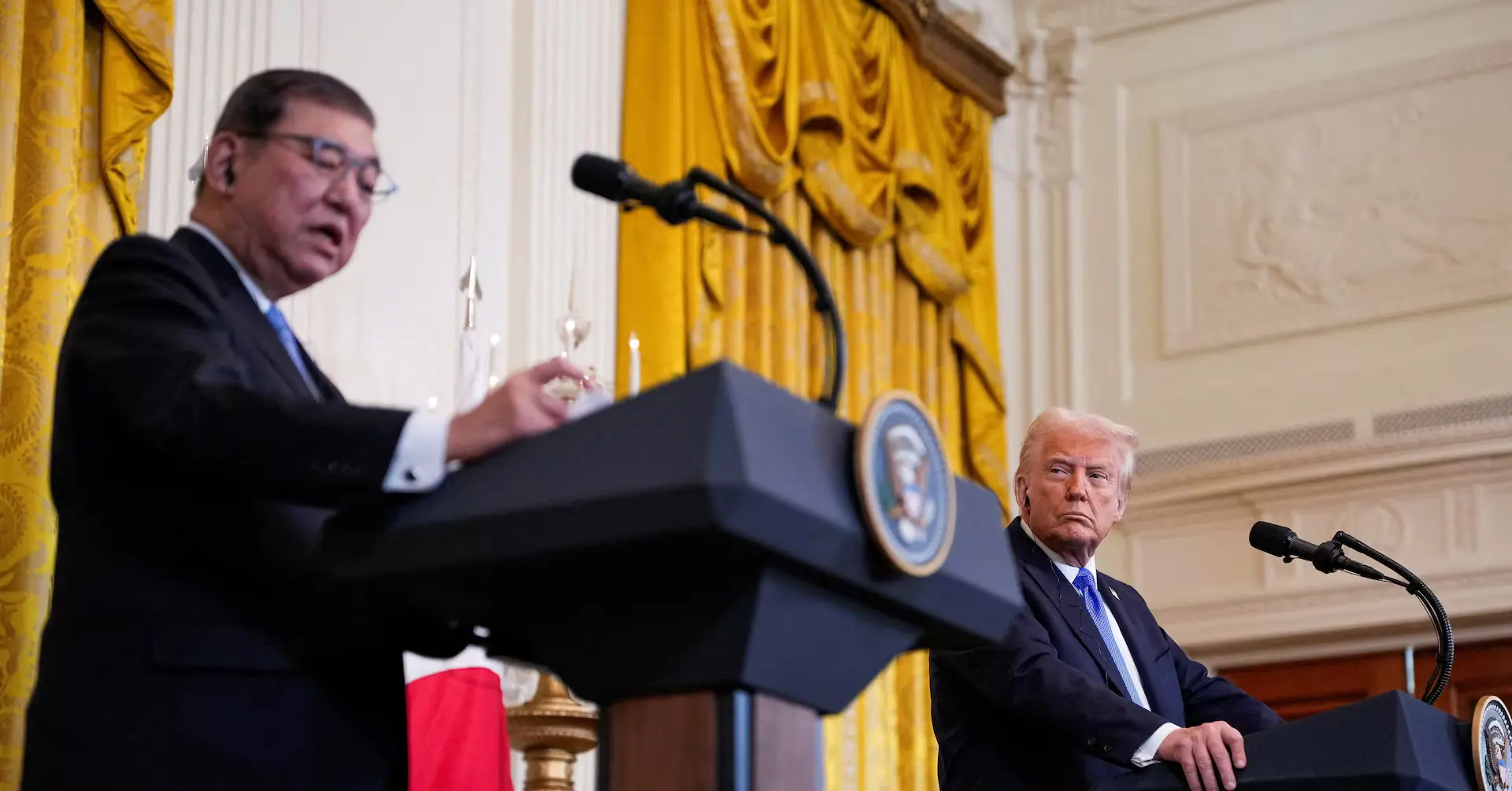
Japan’s Auto Sector Faces Strain as U.S. Tariff Talks Fail at G7
Japan’s Auto Sector Faces Strain as U.S. Tariff Talks Fail at G7. (Photo Internet reproduction)
One-stop reference
Company Intelligence
Every listed company in Latin America — financials, ownership and structure for 1,450+ companies across 26 exchanges, in one place.
Browse the directory →
RT
Ask Rio Times
17 years of Latin America reporting, on demand.
Open the full Ask Rio Times →

The Japanese government has tried to convince the U.S. to lower or remove these tariffs. Officials point out that Japan invests heavily in the U.S., with Japanese companies putting $783 billion into American businesses by the end of 2023.

Japan’s Economy Struggles Amid Stalled Trade Talks

Prime Minister Ishiba even promised to increase investment to $1 trillion, hoping this would help talks. Despite these efforts, the U.S. has not agreed to any changes.

The impact on Japan’s economy is already clear. Official data shows Japan’s economy shrank by 0.7% in the first three months of 2025. Experts warn that if tariffs stay high, growth could slow even more.

The government has lowered its growth forecast for the year to 0.7%. Many worry that continued pressure on carmakers could lead to job losses and less spending across the country.

Prime Minister Ishiba has said he will not rush into a bad deal just to get quick results. His approval rating has improved recently, partly because of his work on other economic issues, but the failure to get a trade deal with the U.S. could put that support at risk.

The stalled talks show how trade disputes can quickly affect jobs, profits, and economic growth. As Japan and the U.S. remain at odds, the future of Japan’s car industry hangs in the balance.

This uncertainty affects not only the industry itself but also the many people who depend on it. All figures and facts in this article come from official government and industry sources.

This article was produced by The Rio Times’ automated newsroom system. How we use AI · Report an error

Read More from The Rio Times

The Rio Times · Power Map
See who really holds power in Latin America
Click to open the Power Map

Rotate for Best Experience

This report is optimized for landscape viewing. Rotate your phone for the full experience.