Sixteen Former Supreme Court Justices Are Alive in Brazil. Thirteen Signed. Three Did Not.
BRAZIL · JUDICIARY
Key Facts
- —The letter Dated 7 September and addressed to Chief Justice Edson Fachin, reported the following day.
- —The demand An immediate and rigorous investigation of what the signatories call the court’s most acute crisis.
- —The signatories Thirteen retired justices, from Neri da Silveira and Celso de Mello to Joaquim Barbosa and Rosa Weber.
- —The refusals Luis Roberto Barroso and Marco Aurelio Mello declined. Ricardo Lewandowski says nobody asked him.
- —A second letter A separate letter backing Fachin carries 198 names. Those are former cabinet ministers, not justices.
- —The catch Lewandowski is also the sitting justice minister. That is a conflict worth naming.
A letter is usually read for who signed it. This one is more interesting for who did not.
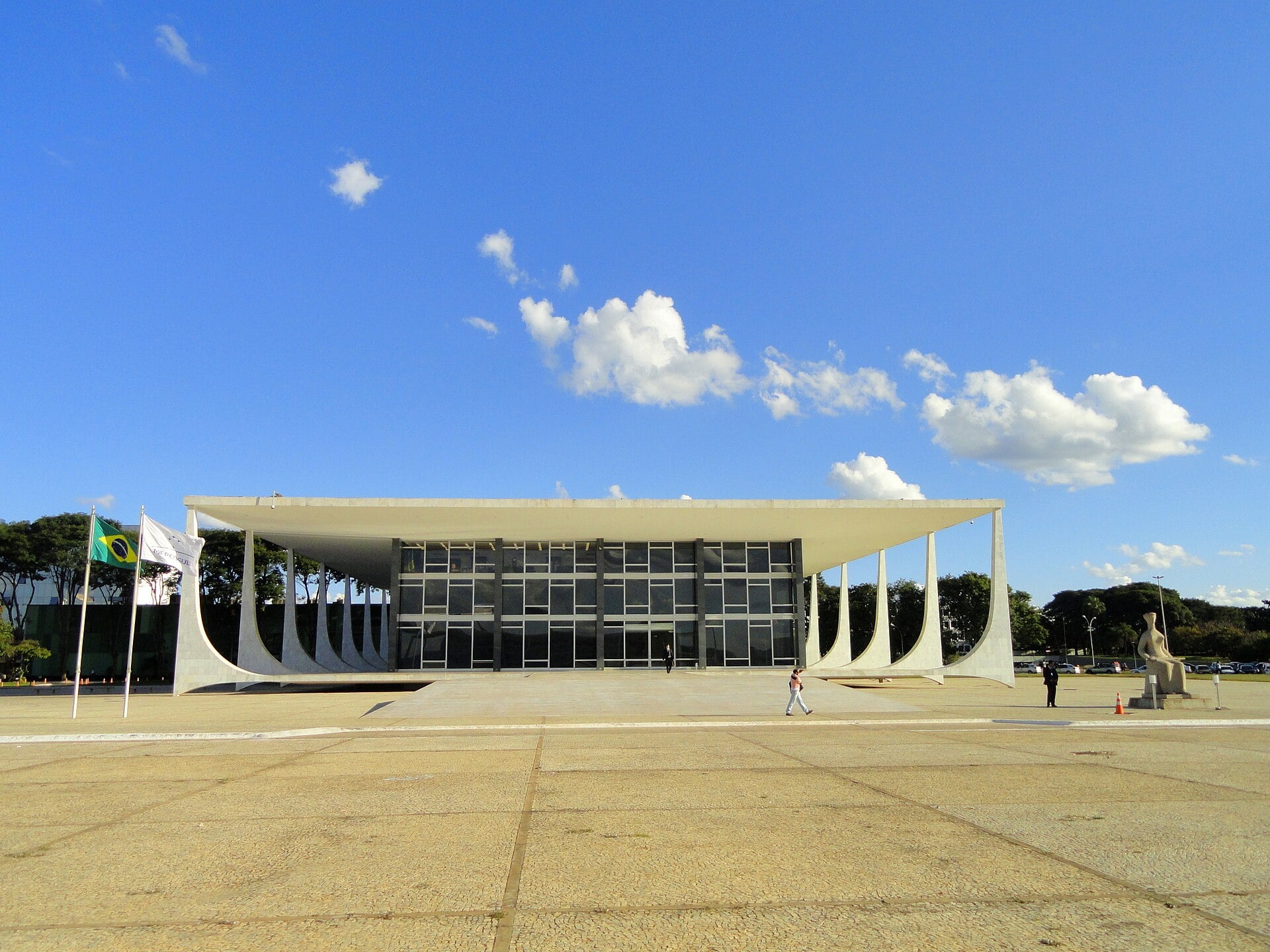
Thirteen former Supreme Court justices signed a letter to Brazil’s chief justice on 7 September 2026. The number has been reported everywhere since.
The number that has not been reported is sixteen. That is how many living retired justices there were to ask.
What the Thirteen Said
The signatories are Neri da Silveira, Francisco Rezek, Sydney Sanches, Celso de Mello, Carlos Velloso and Ilmar Galvao. Also Nelson Jobim, Ellen Gracie, Cezar Peluso, Ayres Britto, Joaquim Barbosa, Eros Grau and Rosa Weber.
Their letter expresses full confidence in the seriousness, discernment and firmness of Chief Justice Edson Fachin. It then asks for an immediate and rigorous investigation.
They describe the events as the most acute crisis in the court’s history. The wording is deliberate and unusually direct for retired judges.
The letter says the affair has been compromising the prestige and authority of the court. It also names public confidence and the stability of democratic institutions.
Celso de Mello went further in a separate personal note. He wrote that no authority is above the law.
The court, he added, cannot be converted into a protective shield for individual deviations. He did not name anyone.
The Three Who Did Not Sign
Luis Roberto Barroso, a former president of the court, declined. His stated reason was that an external manifesto would cost him something more useful.
He said he did not feel comfortable signing it, because doing so would deprive him of the possibility of contributing internally. He is reported to be in contact with sitting justices on both sides of the dispute.
Marco Aurelio Mello declined on grounds of deference. He said he would not wish to receive such a document were he in Fachin’s position.
Ricardo Lewandowski gives a different account altogether. He says he was never approached.
That claim is worth pausing on. Lewandowski is currently Brazil’s justice minister, serving in the government of a president whose administration is entangled in the same affair.
Whether the organisers skipped him deliberately is not established. Neither he nor they have explained it.
How the Count of Sixteen Is Reached
No published source states the number of living former Supreme Court justices outright. It is arrived at by addition.
Thirteen signed. Three are on record declining or saying they were not asked.
No source names any further living retired justice, and two names sometimes assumed to be living are not. Moreira Alves died in October 2023 and Sepulveda Pertence has also died.
So sixteen is a desk count, not a figure lifted from a document. It is presented here as such.
The ratio is what makes the letter unusual. Eighty-one per cent of the surviving bench of a supreme court signed a public demand for an investigation of that court.
The Other Letter, and Why It Keeps Being Confused With This One
A separate letter appeared on 13 September and is routinely merged with the first. It is a different document with different signatories.
It supports Fachin and demands transparency, stronger collegiate decision-making, conflict-of-interest rules and guarantees of impartiality. It says the court cannot be captured by hidden interests.
Most outlets report 198 signatures. Poder360 reports 199, and the discrepancy has not been resolved.
The signatories are jurists, businesspeople, economists, trade unionists and former government ministers. Among them are José Carlos Dias, José Eduardo Cardozo, Miguel Reale Junior and Roberto Brant.
Those are former cabinet ministers. In Portuguese both a cabinet minister and a supreme court judge are called ministro, which is how the two letters get merged.
The distinction matters for weight. A letter from former judges of the court carries a different authority to one from a broad civic coalition.
What Prompted Both
On 1 September, Justice André Mendonça lifted secrecy on a 218-page federal police report. It had been drawn from the phone of Daniel Vorcaro, the controller of the failed Banco Master.
The report described a contract between Vorcaro and the law firm of Viviane Barci de Moraes, wife of Justice Alexandre de Moraes. The court has been in open conflict since.
A week later Mendonça ordered the removal of the federal police director-general. Justice Flavio Dino reinstated him and Fachin suspended both decisions.
An extraordinary plenary session is scheduled for Tuesday, 15 September. The letters were written into that gap.
More: Brazil news in English, every day from The Rio Times.
Frequently Asked Questions
How many former Supreme Court justices signed the letter?
Thirteen, on 7 September 2026. This newspaper counts sixteen living retired justices in total, a figure reached by adding the thirteen signatories to the three who are on record declining or saying they were not asked.
Who refused to sign?
Luis Roberto Barroso, who said signing would prevent him contributing internally, and Marco Aurelio Mello, who cited respect for the current chief justice. Ricardo Lewandowski says he was never approached.
What does the letter ask for?
An immediate and rigorous investigation of the crisis, together with an expression of confidence in Chief Justice Edson Fachin. The signatories describe it as the most acute crisis in the court’s history.
Is this the same as the letter with 198 signatures?
No. That is a separate document from 13 September signed by jurists, businesspeople and former cabinet ministers. The Portuguese word ministro covers both roles, which is why the two are often confused.
What triggered the letters?
The unsealing on 1 September of a police report describing a contract between the failed Banco Master and the law firm of a sitting justice’s wife, followed by conflicting orders over the federal police leadership.
Sources: ConJur, Radio Pampa, Brasil em Folhas, Poder360 and A Tarde. Signatory count and refusals cross-checked against contemporaneous reports.
This article was produced by The Rio Times’ automated newsroom system. How we use AI · Report an error
Read More from The Rio Times