Fachin Splits Brazil’s Court Crisis Into Two Trials, a Week Apart
BRAZIL · SUPREME COURT
Key Facts
- —The refusal Chief Justice Edson Fachin rejected Alexandre de Moraes’s request to try the two matters together.
- —Tuesday The 15 September plenary judges only the leaked messages between Moraes and Banco Master’s Daniel Vorcaro.
- —The following week A separate session on 23 September examines André Mendonça’s own conduct as rapporteur.
- —Why it matters Two justices are now scheduled to be examined by their colleagues in consecutive weeks.
- —The disclosure Mendonça lifted secrecy on 39 Supreme Court proceedings on 11 September. The prosecutor-general had asked for 18.
- —The exception The inquiry into Flávio Bolsonaro stays sealed, on Mendonça’s own determination, and his office has not explained why.
Moraes wanted one hearing. Fachin gave him two, a week apart, with a different justice in the frame each time.
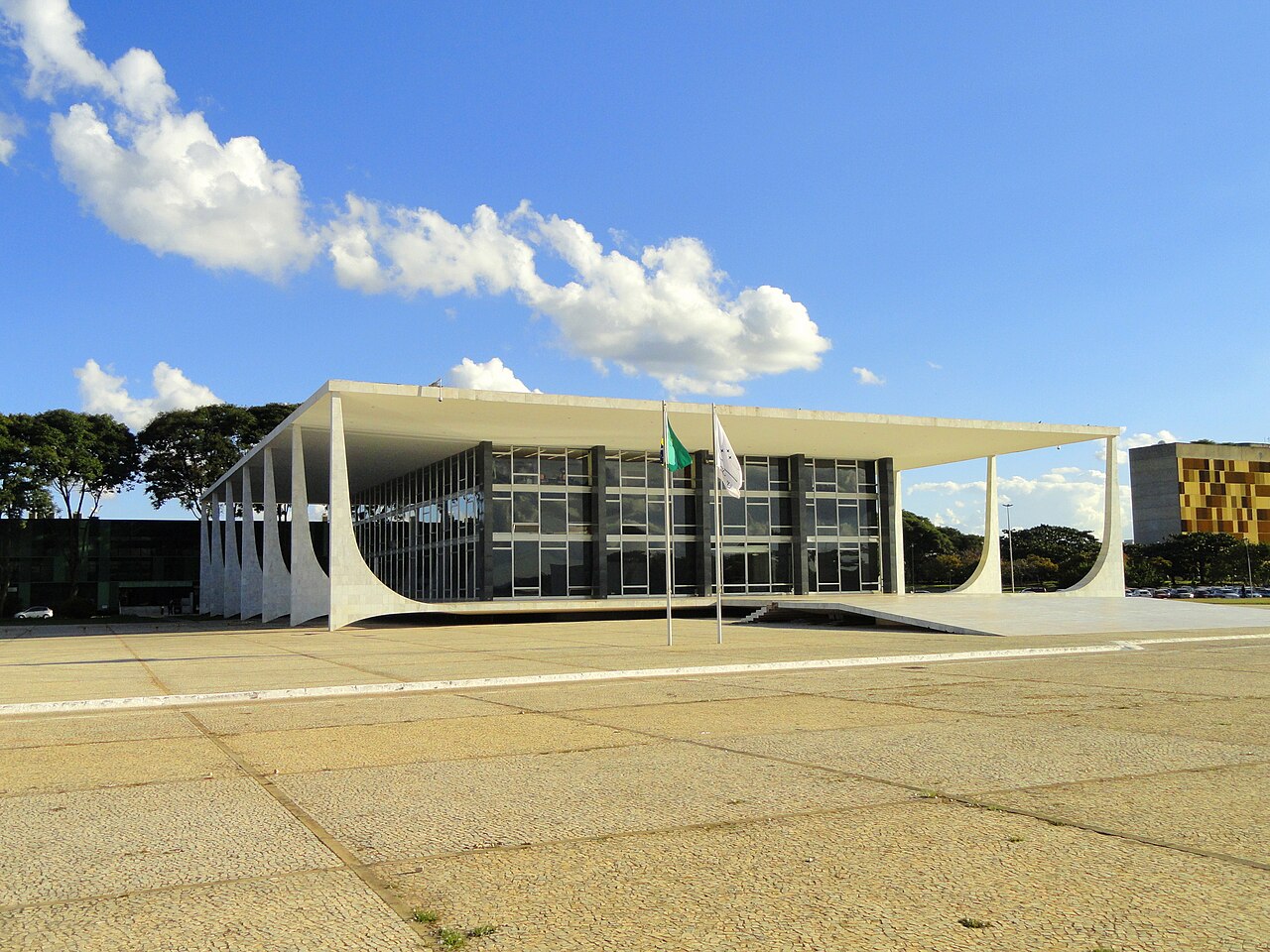
Brazil’s chief justice refused on Saturday to merge the two proceedings the Banco Master case has produced inside his own court, scheduling them instead for consecutive weeks.
What Was Asked and What Was Given
Alexandre de Moraes asked for the matters to be judged together. Fachin refused. Reporting in Brazil attributes the merger request to Moraes alone, and The Rio Times has found no source attributing a parallel request to Gilmar Mendes, whose intervention this weekend concerned something else entirely.
The Tuesday session, on 15 September, will consider only the federal police report on the leaked messages between Moraes and Daniel Vorcaro, and whether Moraes should be investigated over them.
A second plenary session, on Wednesday 23 September, will examine the conduct of André Mendonça, the rapporteur, in his handling of the Master case.
Coverage differs on which petition number attaches to which session, so The Rio Times does not print them.
The Effect of Separating Them
A joint session would have put both justices in front of the full court at once, and would have invited the argument that each was a counterweight to the other.
Splitting them removes that. On Tuesday the court considers one of its members. Eight days later it considers another, on a different record, with the first decision already made.
That sequencing is itself a decision. Whichever way Tuesday goes shapes the room the following week, and Fachin, who controls the calendar, knows it.
Thirty-Nine Files Opened, One Kept Shut
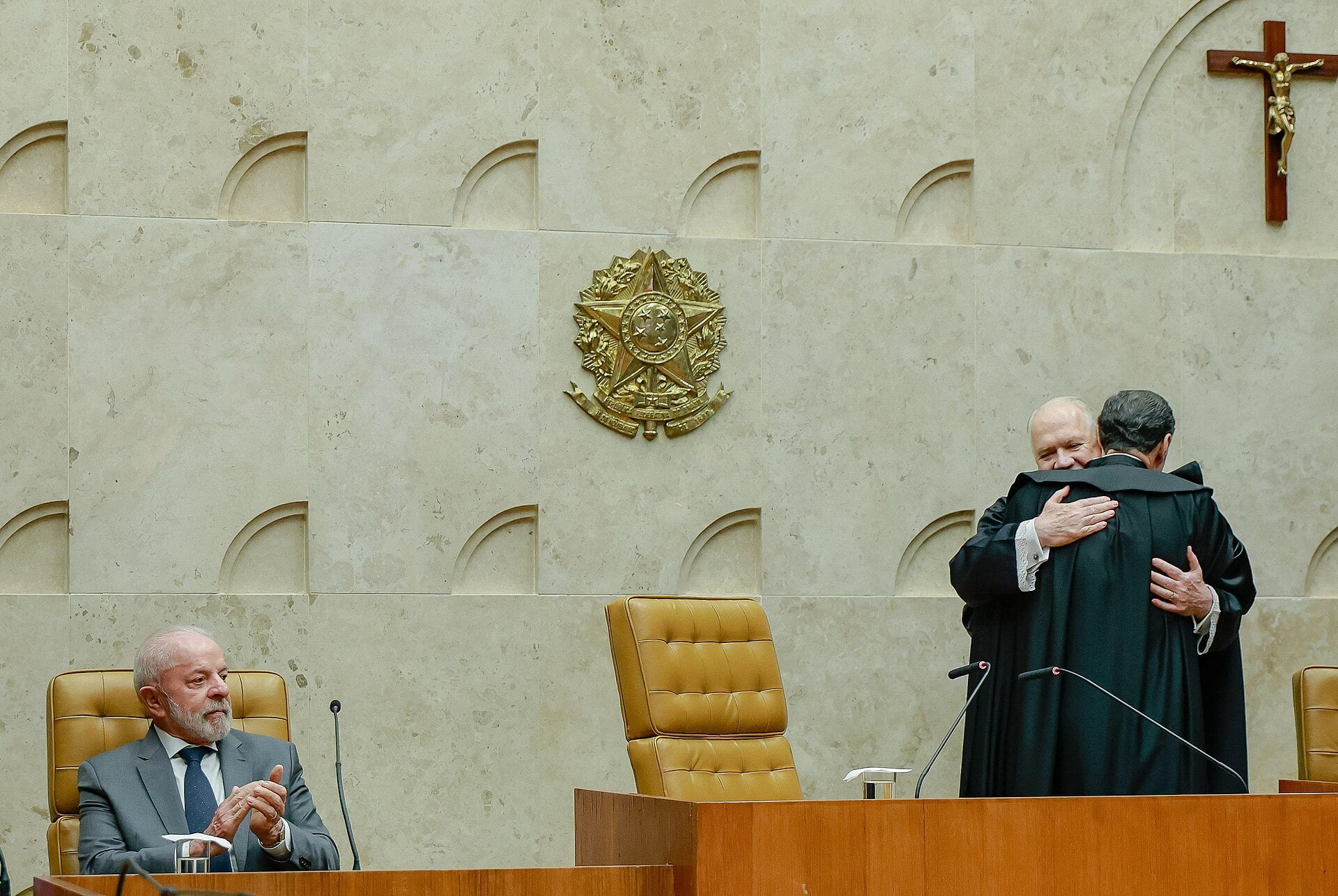
On 11 September Mendonça lifted judicial secrecy on 39 proceedings before the Supreme Court connected to the Banco Master investigation. The prosecutor-general’s office had asked for 18. Mendonça added 21 more on his own initiative.
One file did not open. The inquiry into Flávio Bolsonaro, opened on 22 July 2026 at federal police request with the prosecutor-general’s endorsement, remains sealed on Mendonça’s own determination. His office has declined to explain the reasoning.
Reports that the police and the prosecutor-general asked for that seal to be maintained do not hold up. The prosecutor-general has been pushing in the other direction, for wider disclosure, throughout.
The asymmetry is the story. A rapporteur who opened 21 files nobody asked him to open is keeping one closed that concerns the leading challenger in a presidential election.
What Tuesday Actually Decides
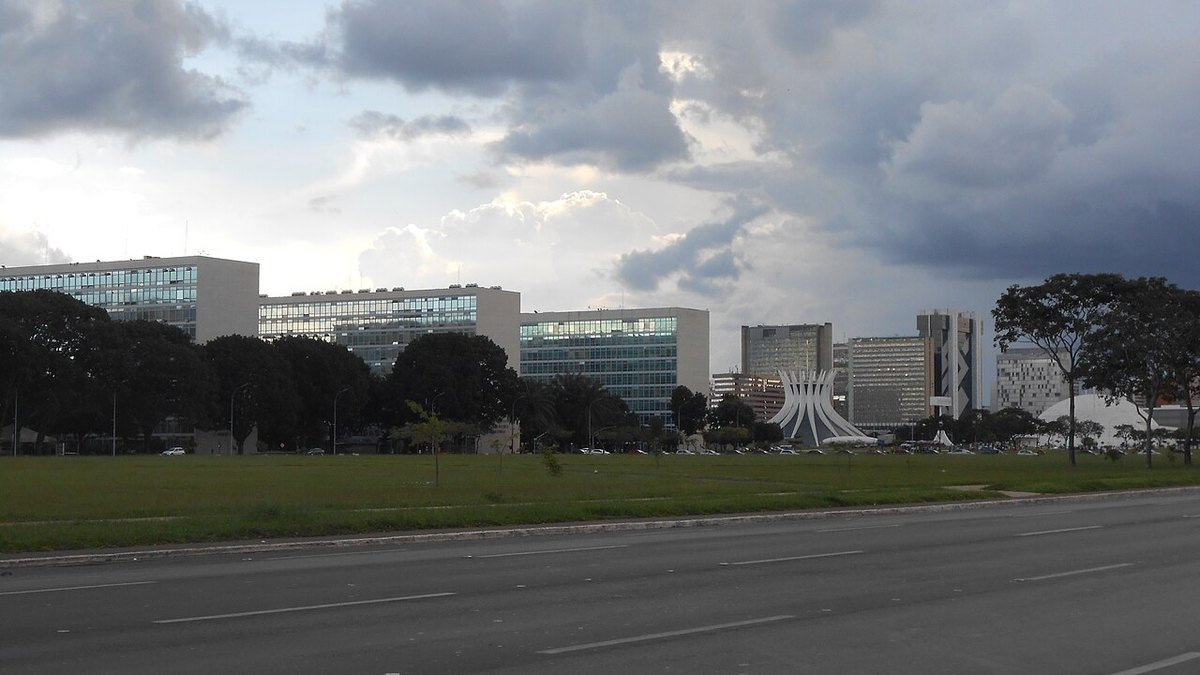
Not guilt. The question before the plenary is whether the federal police may open a formal investigation into a sitting justice of the Supreme Federal Court.
Brazil has no precedent for that. No sitting justice has been criminally investigated in the court’s 136 years, which is why the procedural fight over what the plenary may see has been as hard-fought as the substance.
The 23 September session asks a different question about a different justice, and a decision on one does not settle the other.
More: Brazil news in English, every day from The Rio Times.
Frequently Asked Questions
What did Fachin decide?
He refused Moraes’s request to merge the proceedings, setting 15 September for the Moraes and Vorcaro messages and 23 September for Mendonça’s conduct.
How many files were unsealed?
39 Supreme Court proceedings, on 11 September. The prosecutor-general had asked for 18 and Mendonça added 21 more himself.
Is the Flávio Bolsonaro inquiry public?
No. It remains sealed on Mendonça’s own determination, and his office has not explained why.
Did the police ask for it to stay sealed?
That has been reported but The Rio Times could not confirm it. The prosecutor-general has been pressing for wider disclosure, not narrower.
What does Tuesday decide?
Whether the federal police may formally investigate a sitting Supreme Court justice. It is not a decision on guilt.
Sources: Jornal Opcao, Tribuna do Norte, Metropoles, Bahia Noticias, Conjur, CartaCapital, Correio Braziliense.
This article was produced by The Rio Times’ automated newsroom system. How we use AI · Report an error
Read More from The Rio Times