The upcoming European Parliament elections hold significant implications for China. Experts believe the success of far-right and far-left parties could benefit China.
These groups, expected to gain seats, have consistently voted against legislation targeting China.
Some far-left lawmakers, courted by Beijing, have even introduced legislation echoing Chinese government language.
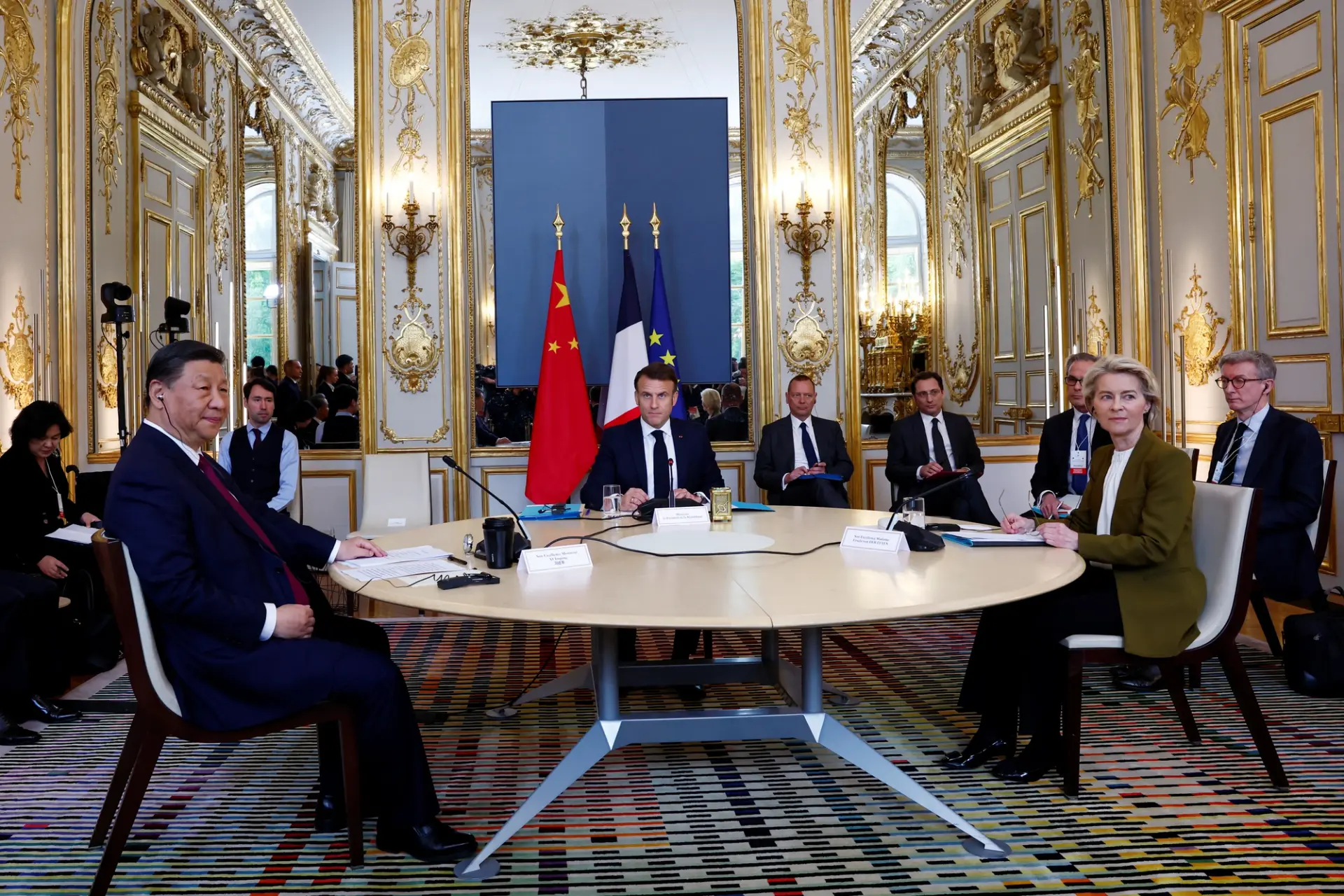
Center-right European Commission President Ursula von der Leyen has maintained a tough stance on Beijing. She plans to announce new tariffs on Chinese electric vehicles (EVs) just before the election.
This move aims to address market imbalances caused by China’s “non-market practices,” including state subsidies and market distortions.
China’s EV exports have significantly increased, causing friction with the EU. The influx of cheaper Chinese EVs threatens the EU market.
Moreover, Europe strives to reduce its dependency on China for critical resources like rare earths and batteries. The EU aims to enhance its industrial competitiveness and economic resilience.
However, this decoupling effort is complicated by the deep economic interdependence between the two regions.
Bilateral trade reached a record high of $847.3 billion in 2022, indicating strong economic ties.
China views the EU elections within a broader geopolitical landscape. The EU sees China as a partner, competitor, and systemic rival.
This mixed perception has led to tensions over human rights and support for Russia amid the Ukraine conflict.
China opposes the European Parliament’s stance on these issues, emphasizing the need for cooperation over confrontation.
Potential Impact on China’s Strategic Interests
China sees potential opportunities if far-right and far-left factions gain more power in the EU Parliament.
These factions’ reluctance to support anti-China legislation could create a more favorable environment for Beijing.
Additionally, the EU’s pursuit of strategic autonomy, amidst US influence, highlights the importance of an independent approach to China-EU relations.
The outcome of the EU elections could reshape China-EU dynamics, influencing trade policies and geopolitical strategies.
This evolving relationship underscores the need for careful navigation of economic and political ties. Both regions aim for mutually beneficial cooperation despite their differences.
In summary, the EU elections could significantly impact China. The potential shift in power towards far-right and far-left parties might benefit Beijing.
However, the complex relationship between China and the EU requires both sides to manage their differences through dialogue and cooperation.
This article was produced by The Rio Times’ automated newsroom system. How we use AI · Report an error
Read More from The Rio Times