Ethiopia’s Failed Rains Push Maize to Record
Failed rains have left Ethiopia’s north and east short of grain, with record local maize prices and livestock deaths in Afar, while the money to respond remains unclear.

Economy: Ethiopia
Across Ethiopia’s north and east, the rains that should have filled the granaries did not come, and the bill is arriving in market prices and dying herds. The failure of the 2026 rains, tied to El Niño (a periodic warming of Pacific waters that disrupts weather), has left families short of grain as the main harvest season runs through December.
The Famine Early Warning Systems Network (FEWS NET), a food-security monitoring service, said in its outlook update for August 2026 to January 2027 that the June to September rains were among the poorest on record. For readers abroad, the story touches humanitarian funding, food prices and the stability of a large country in the Horn of Africa.
Key Facts
- Who. Farmers and herders in Tigray, Amhara, Oromia and Afar, Ethiopia’s northern and eastern regions.
- What. El Niño rains failed; maize prices hit record highs; livestock are dying in parts of Afar.
- Where/When. Northern and eastern Ethiopia; the main harvest runs to December, FAO’s appeal to March 2027.
- As of. 24 November 2026, 07:30 GMT.
Failed rains have left Ethiopia’s north and east short of grain, with record local maize prices and livestock deaths in Afar, while the money to respond remains unclear.
The Kiremt, Ethiopia’s main rainy season from June to September, brought rainfall deficits above 50% of average in much of the country, according to the same outlook. The network expects Crisis conditions, Phase 3 on the five-step Integrated Food Security Phase Classification (IPC), through January 2027, with some households in Phase 4 (Emergency).
The timing matters because the main Meher harvest, gathered from October to December, supplies over 85% of national crop production, FEWS NET said. A weak Meher therefore thins household food stocks across the country, not only in the worst-hit districts.
FAO, the United Nations food agency, says in its country brief dated 12 November that El Niño-related deficits hit the Meher crop, concentrated in Tigray, eastern Amhara and eastern Oromia. The brief adds that local maize prices rose 70 to 90 per cent between December 2025 and September 2026 to record highs.
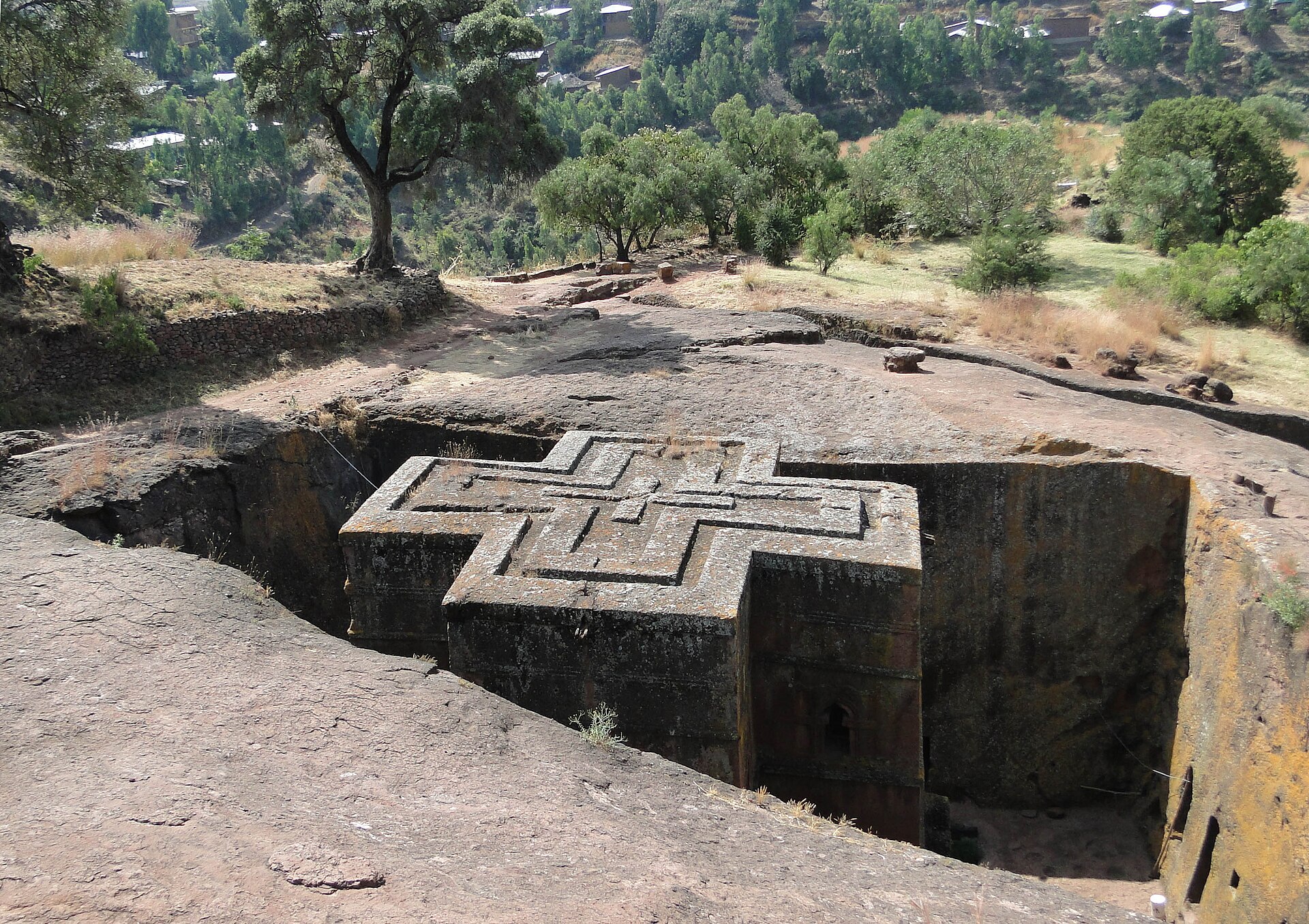
A humanitarian assessment reported on 27 October found that in Raya Azebo, a district of southern Tigray, only about 400 of more than 15,000 cultivated hectares showed crop growth. It also found moderate acute malnutrition (children too thin for their height) in about 15% of some 11,800 displaced children screened in Tigray in September and October, and it said “Needs are likely to remain high.”
Residents of Kori district in Afar said in late August that “The number of livestock dying from the ticks is enormous”, pointing to tick infestation on top of drought. No count of the losses was given.
The money is thin where the need is clearest: the Tigray Disaster Risk Management Commission, the regional drought-response agency, put its needs in a plan reported at the start of August at US$626.8 million, with US$3.38 million secured and a shortfall of about US$623 million. The plan covers 3.7 million people in need across 50 woredas (districts).
FAO’s own appeal, issued in August, seeks US$50 million to assist 4.66 million people from June 2026 to March 2027, and the agency cautioned that “without timely anticipatory action and early response interventions, vulnerable agropastoral and pastoral households will face worsening food insecurity and increased humanitarian needs.” Ethiopia’s federal Disaster Risk Management Commission has triggered anticipatory action, meaning early help before a disaster peaks, in 114 woredas where an estimated 9.3 million people live.
IFPRI (the International Food Policy Research Institute, a Washington research group) said in an analysis reported on 18 November that El Niño and higher fuel prices will leave Ethiopia’s GDP 0.4 to 1.1 per cent below baseline, an average of 0.8%. It projects 905,000 more people in poverty and 2.8 million more undernourished, and higher fuel prices, tied to the Iran war, account for about 472,000 of the extra poor and 699,000 of the extra undernourished.
For US readers the channels are humanitarian funding, grain and fuel prices. The authors of the analysis, Emerta Aragie and Chris Hillbruner, write that “the model suggests it is El Niño’s impacts that are likely to slow Ethiopian economic performance.”
The strongest caution comes from those same authors, who say climate projections are more uncertain than price projections and that the results are scenarios, not forecasts. They add that conflict in the north is not quantified and that the projections include Productive Safety Net Programme transfers, Ethiopia’s state support for poor households.
Two dated checkpoints stand out: the Meher harvest, which runs through December, and the end of the FAO appeal period in March 2027. FAO’s brief says conditions are likely to deteriorate before the March to May 2027 rains begin, and the IFPRI analysis says emergency food needs could peak from June to August 2027.
No national count of people in need of drought aid has been published. How much of FAO’s US$50 million appeal has been funded is not stated.
Frequently Asked Questions
Why are Ethiopia’s maize prices at record highs?
Failed El Niño rains damaged the main harvest in the north and east, according to FAO’s country brief of 12 November.
Is the food crisis likely to get worse?
FAO’s brief says conditions are likely to deteriorate before the spring 2027 rains begin, and IFPRI’s analysis says emergency needs could peak in mid-2027. Much depends on the harvest now being gathered.
How much money is needed?
Two appeals have been published, one from FAO and one from Tigray’s disaster commission, but there is no national total. The funding status of the FAO appeal is not known.
Sources
Published Tuesday 24 November 2026 · Source: FEWS NET outlook update, August 2026 to January 2027; FAO GIEWS country brief for Ethiopia, 12 November 2026; IFPRI analysis of 17 November 2026; FAO appeal for Ethiopia; Tigray Disaster Risk Management Commission plan; Ethiopia’s Disaster Risk Management Commission
Connected Coverage
Ethiopia drought damage to farmland · Ethiopia El Niño flood risk · Ethiopia and Eritrea tensions · Ethiopia’s birr near 160 per dollar
This article was produced by The Rio Times’ automated AI newsroom. Editorial responsibility: Matthias Camenzind, Publisher and Editor-in-Chief. The Rio Times also runs Ask Rio Times, which answers from 100,000+ of our own articles, the daily Latin America Power Map, and prediction-market odds on elections and markets.. How we use AI · Report an error
Horn of Africa and the Red Sea
- Horn of Africa 2026: Why It Matters and Who Backs Whom
- Ethiopia’s Neighbors Explained, Ports, Eritrea, Somalia
- Eritrea Explained 2026, a Red Sea Country Guide
- Somalia Explained: Al-Shabaab, Somaliland, the Ports and the Fight Over a 2026 Vote