El Salvador Hands Down First Life Sentence for Feminicide
Key Facts
-
—
What happened. A Santa Ana court sentenced a man to life in prison for the aggravated feminicide of his neighbor. -
—
How big. It is El Salvador’s first life sentence handed down specifically for aggravated feminicide. -
—
The reform. Congress amended El Salvador’s constitution in April 2026, ending a decades-old ban on life sentences. -
—
The catch. It is only El Salvador’s second life sentence overall; a different case was decided four days earlier. -
—
Who it affects. Feminicide, homicide, sexual violence and terrorism convictions can now all draw a life term. -
—
What comes next. The defense can appeal, and the case becomes an early test of the new sentencing framework.
Life Sentence for a Neighbor’s Killing
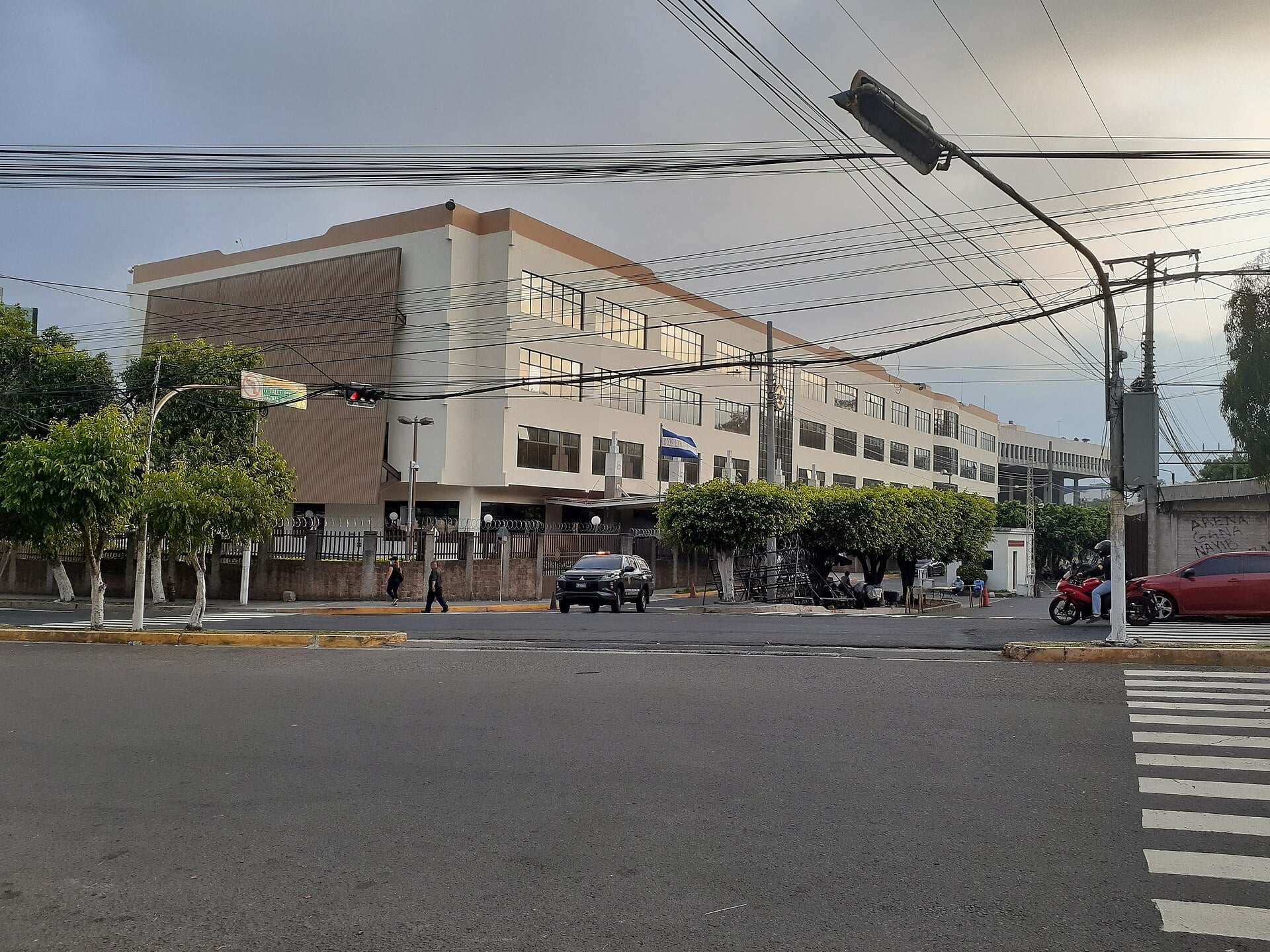
A criminal court in Santa Ana, El Salvador, sentenced a 39-year-old man to life in prison on Monday. Eduardo Mauricio Urbina García was convicted of the aggravated feminicide of a neighbor.
The victim, a 32-year-old woman, was identified in court records only by the initials J.C.R.C. Salvadoran outlets withheld her full name, a common practice in feminicide reporting there.
The Santa Ana Criminal Court also ordered Urbina to pay $15,000 in civil damages. El Salvador uses the US dollar as its official currency, so no conversion is needed.
Local outlets, including La Página and La Noticia SV, reported the verdict Monday and Tuesday. It marks the first time a Salvadoran court has imposed a life sentence specifically for feminicide.
The Crime That Led to the Verdict
Prosecutors said Urbina had shown romantic interest in his neighbor for months before the killing. She had rejected his advances, according to court records cited by local media.
On August 3, 2026, prosecutors said Urbina entered the woman’s apartment in the Santa Bárbara neighborhood of Santa Ana after drinking alcohol. He was carrying a knife when he went in, according to La Noticia SV.
The victim called for help during the attack, but she did not survive. A medical examiner later found wounds consistent with her having tried to defend herself.
Urbina fled the scene but turned himself in to police hours later, according to the same report. He has been in custody since his surrender in August.
El Salvador’s New Life-Sentence Law
El Salvador’s Legislative Assembly, dominated by allies of President Nayib Bukele, approved a constitutional reform in April 2026. The change eliminated a longstanding constitutional ban on sentencing anyone to life in prison.
Before the reform, 60 years was the maximum sentence available under Salvadoran law. The new framework allows life sentences for homicide, sexual violence, terrorism and feminicide, according to reporting by AFP carried in regional outlets.
A related law later extended the same maximum penalty to minors convicted of the same categories of crime. Bukele has framed the changes as part of his broader campaign against gangs and violent crime.
Rights advocates in the region have historically raised concerns when countries expand life sentencing, particularly around due-process safeguards. Rio Times found no on-the-record statement from Salvadoran human rights groups specifically addressing this verdict as of publication.
Not the First, but a First for Feminicide
Urbina’s sentence is not, in fact, El Salvador’s first life sentence under the new law. A separate court imposed the country’s first life sentence the previous Friday, in a case involving aggravated homicide and robbery.
In that case, a Salvadoran tribunal sentenced a man for killing another man with stones and then stealing from him. Monday’s ruling against Urbina is instead the first under the reform specifically tied to a feminicide charge.
Salvadoran outlet La Página described Monday’s case as the country’s “second” life sentence overall. Several international wire reports still described it as El Salvador’s first for this specific crime category.
Rio Times is reporting both facts to avoid overstating the ruling’s place in the country’s legal history. The distinction matters because feminicide carries particular symbolic weight in a region with high rates of violence against women.
Reaction and Context
El Salvador has recorded one of Latin America’s highest rates of violence against women, past United Nations regional data has shown. That history has fueled years of activism for tougher sentencing.
Women’s rights groups in El Salvador have long pushed specifically for harsher penalties in feminicide cases. Monday’s verdict gives them a concrete example of the new law being applied in practice.
The government has not issued a formal statement crediting the new law for Monday’s verdict. Local prosecutors confirmed only that the case was the first successful conviction carrying a life term for feminicide.
Santa Ana, El Salvador’s second-largest city, has seen several high-profile violent crime cases in recent years. Monday’s sentencing adds to a string of tough penalties Bukele’s government has publicized as evidence of its crackdown on crime.
What Happens Next
Urbina’s defense has the right to appeal the sentence through El Salvador’s ordinary court system. No appeal had been filed as of Tuesday, according to available reporting.
Legal analysts in El Salvador are expected to watch how appellate courts handle early life-sentence cases like this one. The outcome could shape how prosecutors pursue similar charges going forward.
Courts in El Salvador are likely to see more feminicide cases tried under the new sentencing rules in the coming months. Monday’s verdict is expected to serve as a reference point for prosecutors building similar cases.
This article was produced by The Rio Times’ automated newsroom system. How we use AI · Report an error
Read More from The Rio Times