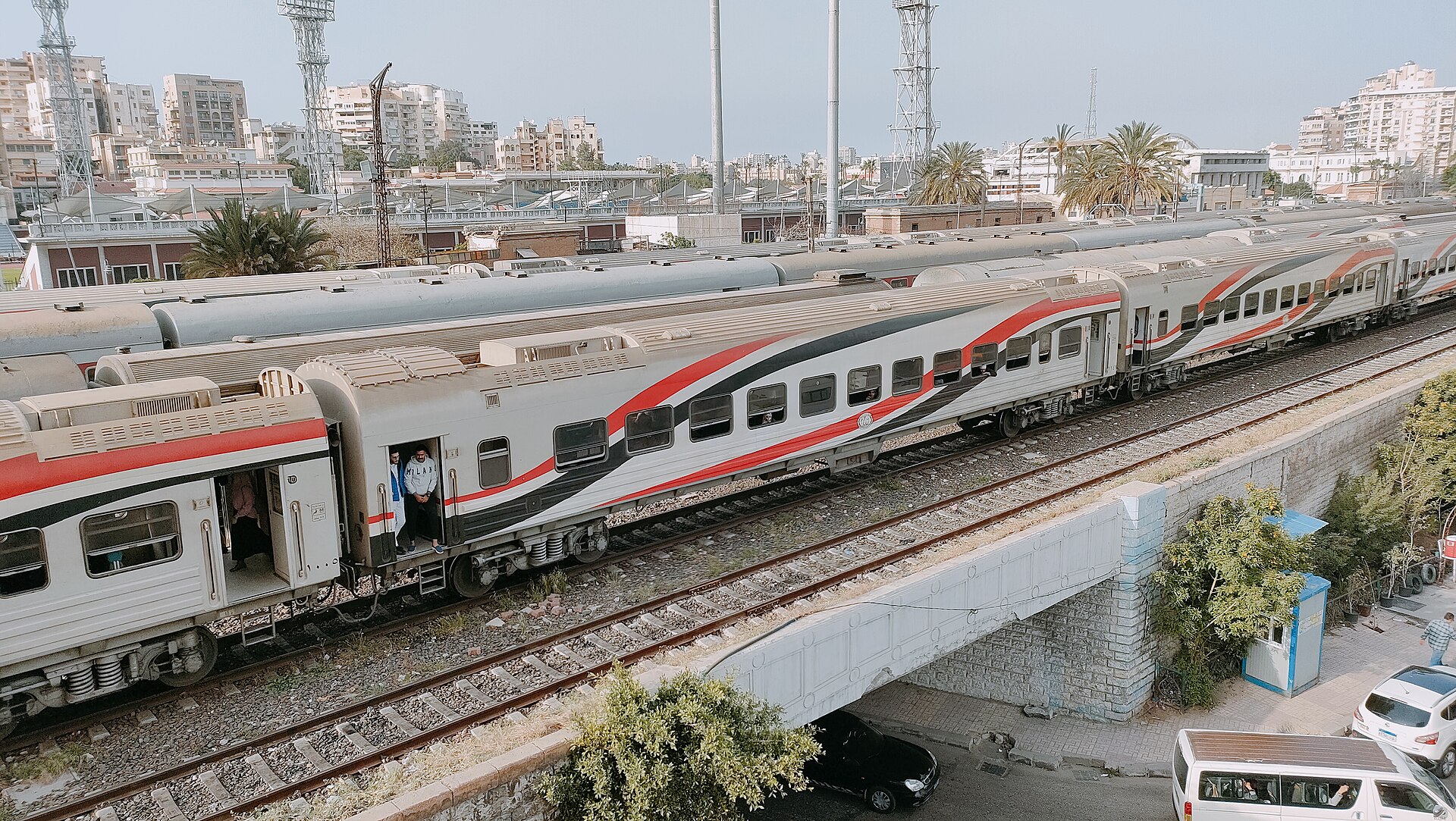
Published Sunday, 8 November, 4:15 p.m. ET · Source: Egypt’s Health Ministry, Egyptian National Railways Authority, Chief Prosecutor’s office
Key Facts
- Toll: Seven people died and 125 were hurt when two passenger trains collided south of Cairo on Sunday.
- How: Investigators say a Fayoum-bound train hit the last carriage of a stopped Aswan-bound train on the same track.
- Unknown: The cause is not yet known; President Abdel Fattah el-Sisi ordered an immediate investigation.
- Next: Prosecutors are examining the site, and the toll could still change as rescue work and hospital counts finish.
Villagers ran to the tracks and pulled passengers from twisted carriages before the ambulances arrived. Two passenger trains collided on Sunday at al-Ayyat, about 52 km (32 miles) south of Cairo in Egypt’s Giza province, leaving seven people dead and 125 injured, according to Egypt’s Health Ministry.
The train’s conductor was among the dead, Egypt’s Chief Prosecutor’s office (the state’s top prosecuting authority) said. At the Health Ministry’s latest count, 71 of the injured had already left hospital.
How the Trains Collided
A train travelling from Giza to Fayoum, a province south-west of Cairo, rammed the rear of a train bound from Cairo to Aswan, a southern city on the Nile. The Egyptian National Railways Authority, the state rail operator, said several carriages derailed between the Kafr Ammar and Al-Raqqa stations.
Investigators found that the last carriage of the Cairo-to-Aswan train was stopped on the same line, facing the same direction, when it was struck. Some passengers were trapped inside that carriage and were dead when rescuers pulled them out, a local resident told reporters.
Rescue Under Way South of Cairo
Dozens of ambulances took the injured to hospitals in the area, and the railway authority sent emergency teams and cranes to clear the wreckage. It said it aimed to restore normal train service as soon as possible.
Prosecutors went to the site. President Abdel Fattah el-Sisi said on social media that he had ordered an immediate investigation and that anyone found negligent would be held to account.
A Railway With a Grim Record
Egypt runs one of the oldest rail networks in Africa and the Middle East, and it has a long history of deadly accidents. In 2002, a fire on an overnight train from Cairo to the south killed more than 300 people, still the country’s worst rail disaster.
In 2019, a runaway locomotive crashed into the buffers at Cairo’s main Ramses station and started a fire that killed 25 people. In September this year, two freight trains collided in the same district of al-Ayyat, injuring a driver and his assistant, though nobody died.
In 2009, a collision at al-Ayyat killed dozens of people. The government has announced modernisation plans in recent years, yet the network still carries a reputation for poor management and weak upkeep of equipment.
What It Means for You
For Americans planning a trip to Egypt, the practical point is that train traffic on the line was interrupted while crews cleared the wreckage. Reports so far do not mention foreign passengers, but travellers should check the US State Department’s travel advice and confirm rail bookings before setting out.
Aswan, the line’s southern end, is a gateway to Nile cruises and the temples of Upper Egypt. Read more of our Egypt coverage, including how Egypt and Sudan are pressing Ethiopia over the Nile dam and our guide to moving to Egypt.
What Is Not Known
Officials have not said what caused the train to hit the stationary carriage, or why it was stopped on the line. The final toll may change as hospitals update their counts.
Frequently Asked Questions
How many people died in the Egypt train crash?
Seven people died and 125 were injured, according to Egypt’s Health Ministry on Sunday 8 November 2026.
What caused the collision?
The cause is not known. Prosecutors say a Giza-to-Fayoum train struck the rear of a stopped Cairo-to-Aswan train, and an investigation is under way.
This article was produced by The Rio Times’ automated AI newsroom. Editorial responsibility: Matthias Camenzind, Publisher and Editor-in-Chief. How we use AI · Report an error