Ecuador Shifts Stance on Western Sahara, Backs Morocco’s Autonomy Plan
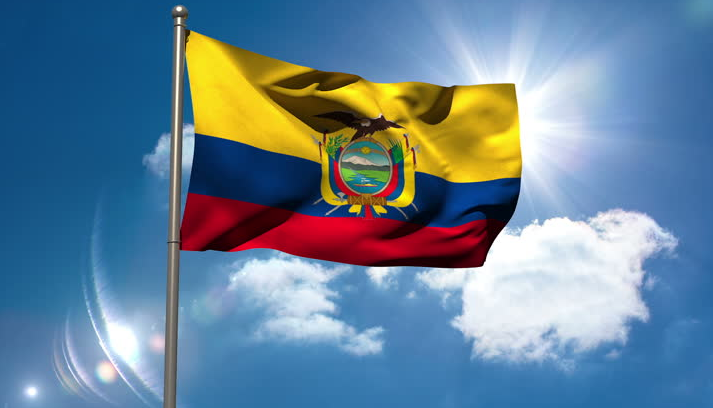
Ecuador’s recent decision to withdraw recognition of the Sahrawi Arab Democratic Republic (RASD) marks a pivotal moment in its diplomatic relations with Morocco.
This move aligns with Morocco’s strategic efforts under King Mohammed VI to assert sovereignty over Western Sahara and promote its autonomy plan as the most viable solution to the ongoing regional conflict.
The Western Sahara issue has been a long-standing geopolitical challenge since Spain’s departure in the mid-20th century. The Polisario Front, supported by Algeria, has pushed for independence.
In contrast, Morocco claims the territory and proposes an autonomy plan under its governance. This plan has gained support from influential countries like the United States, Spain, and France.
Ecuador initially recognized the RASD in 1983 and allowed the establishment of a RASD embassy in Quito in 2009. Ecuadorian Foreign Minister Gabriela Sommerfeld recently communicated the withdrawal of this recognition.
She informed Moroccan Foreign Minister Nasser Bourita about the decision. This decision reflects a broader trend of countries reassessing their positions on Western Sahara.
Ecuador’s Diplomatic Shift
Ecuador’s shift carries significant weight as it currently serves as a non-permanent member of the United Nations Security Council for 2023-2024.
This change underscores Morocco’s diplomatic success in rallying support for its autonomy proposal, which offers self-governance under Moroccan sovereignty while aiming for a negotiated political solution.
The diplomatic shift is expected to enhance cooperation between Morocco and Ecuador across various sectors, including economic collaboration and cultural exchange.
It sends a strong message to the international community about the viability of Morocco’s autonomy plan as a framework for resolving the Western Sahara conflict under UN auspices.
Ecuador’s withdrawal from recognizing the RASD represents a diplomatic victory for Morocco. It also signifies a strategic realignment that could influence other nations’ positions on the Western Sahara issue.
As Morocco continues to build its network of allies, this development could pave the way for further diplomatic successes. It may also contribute to a more stable resolution of one of Africa’s longest-running territorial disputes.
More: Ecuador news in English, every day from The Rio Times.
This article was produced by The Rio Times’ automated newsroom system. How we use AI · Report an error · Editorial responsibility: Matthias Camenzind, Editor-in-Chief
Part of our ongoing coverage
Africa: The New Scramble — the great-power contest over the continent.