Congo Halts Cobalt Exports From 30 November
DR Congo has stopped exporting a key battery metal, and the halt has no end date.

Mining: DR Congo
DR Congo will stop all cobalt exports from Monday 30 November 2026, its regulator ARECOMS announced on Monday 23 November 2026. ARECOMS, Congo’s regulator of strategic mineral markets, says the suspension covers industrial mining and artisanal mining, meaning small-scale digging by hand, and has no end date set.
DR Congo mines about three-quarters of the world’s cobalt, according to the US Geological Survey, the American government’s geoscience agency. The metal goes into electric-vehicle and phone batteries and jet-engine alloys, so the halt could matter to battery and engine makers in the United States.
Key Facts
- Who. ARECOMS, DR Congo’s regulator of strategic mineral markets.
- What. All cobalt exports, industrial and artisanal, are suspended with no end date set.
- When. The halt starts Monday 30 November 2026; November shipments must finish by Sunday 29 November.
- Why. The regulator cites weak global demand, rising stocks and speculative practices.
- As of. 28 November 2026, 07:00 GMT.
DR Congo has stopped exporting a key battery metal, and the halt has no end date.
This is Congo’s second cobalt export halt since February 2025. ARECOMS first suspended exports on 22 February 2025 for four months, aiming to ease oversupply and lift prices.
Its decision no. 004/ARECOMS/2025 of 20 September 2025 then extended the suspension to 15 October 2025. A quota system, a cap on how much each exporter may ship, took effect on 16 October 2025, with an annual cap of 96,600 tonnes for 2026 and 2027 under that decision.
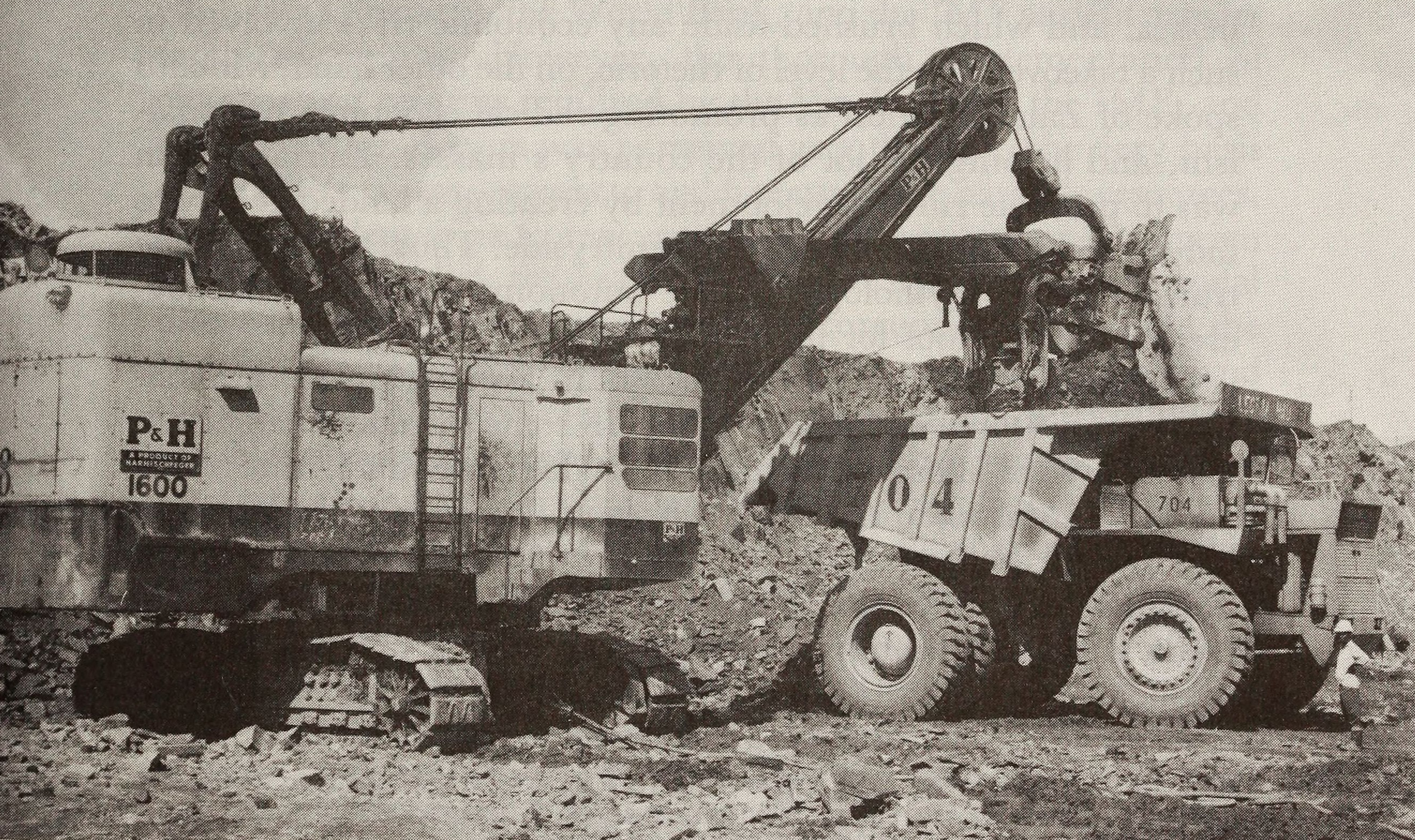
In its communiqué of 23 November 2026, ARECOMS says the new measure is meant to correct an imbalance in the cobalt market. It blames weak global demand, rising stocks and speculative practices, and says prices have kept falling since June 2026.
The 2025 quotas let some cobalt leave, while the new suspension stops all of it. That makes this the stricter of the two measures.
Exporters have until Sunday 29 November 2026 to finish November shipments, according to the communiqué. From Monday 30 November, no cobalt from any Congolese mine may leave the country, whether from industrial mines or from artisanal diggers.
ARECOMS will assess the measure after about four months, around the end of March 2027. That review does not mean exports restart, because a restart needs a separate published decision.
Because Congo mines most of the world’s cobalt, buyers elsewhere can only turn to other producers or to stocks while the halt lasts. Cobalt is on the US government’s list of critical minerals, the materials judged vital to the economy and exposed to supply disruption.
ARECOMS has not said how much cobalt is already in transit. It has also not said which quota rules would apply after a restart.
Our earlier reporting covered the earlier export ban on copper and cobalt concentrates and its cobalt quotas. Readers new to the country can start with our DR Congo explainer or the DR Congo hub.
Frequently Asked Questions
Does the halt end after the review?
No. The review only assesses the measure, and a restart needs a separate published ARECOMS decision.
Why does it matter outside Congo?
Congo is the dominant source of mined cobalt, so buyers of battery and alloy metal elsewhere must find it from other sources.
What is ARECOMS?
It is Congo’s regulator of strategic mineral markets, and its decisions set export suspensions and quotas.
Sources
- ARECOMS communiqué of 23 November 2026
- ARECOMS decision no. 004/ARECOMS/2025
- US Geological Survey, Mineral Commodity Summaries 2026
This article was produced by The Rio Times’ automated AI newsroom. Editorial responsibility: Matthias Camenzind, Publisher and Editor-in-Chief. The Rio Times also runs Ask Rio Times, which answers from 100,000+ of our own articles, the daily Latin America Power Map, and prediction-market odds on elections and markets.. How we use AI · Report an error
Critical Minerals in Africa
- Africa’s Critical Minerals 2026: Who Holds What and Why
- DR Congo Explained 2026, Its War, Cobalt and Politics
- Zambia Explained: The Country, Its Copper Economy, Its Politics and What to Watch
- The Lobito Corridor: A New Railway for African Copper