Congo Lawmakers Weigh Election Law Changes
Two bills from a deputy of the governing coalition would reshape the electoral commission and the voting rules before the 2028 elections. The plenary outcome is not yet known.
Politics: DR Congo
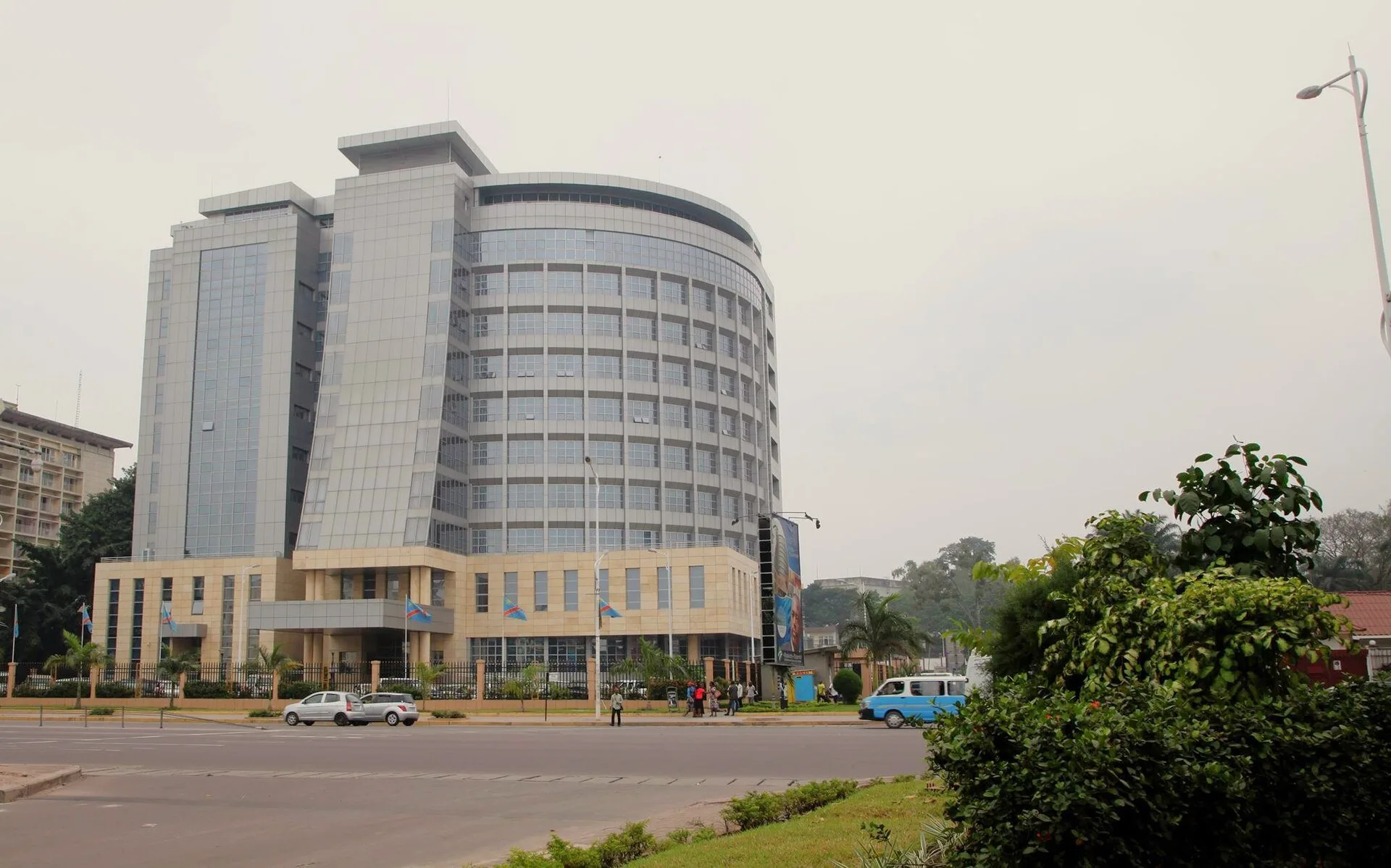
DR Congo’s National Assembly has called deputies to a plenary session on Friday 27 November 2026 to examine two bills that would change how elections are run. The call came in a communiqué from the Assembly’s bureau, its leadership team, signed by Jacques Djoli, the Assembly’s rapporteur, or secretary.
One bill amends the 2010 law that governs the CENI, the national electoral commission that runs elections, and the other amends the 2006 electoral law. The outcome of the session is not known, and the bills are scheduled for examination, not adopted.
Key Facts
- Who. Deputy Meschack Mandefu Muela, a governing-coalition lawmaker, wrote both bills.
- What. One bill on the electoral commission CENI, one on the 2006 electoral law.
- When. Plenary session scheduled for Friday 27 November 2026; the result is not known.
- Next. The next general elections are due in 2028 under the Constitution.
- As of. 27 November 2026, 11:30 GMT
Two bills from a deputy of the governing coalition would reshape the electoral commission and the voting rules before the 2028 elections. The plenary outcome is not yet known.
Deputy Meschack Mandefu Muela, from Kazumba in Kasaï Central province and a member of the Union sacrée de la Nation, the president’s governing coalition, is the author of both bills. He filed both bills at the Assembly in April 2026 and has explained them in public statements.
In April 2026 Mandefu said the CENI’s plenary assembly should be abolished because it is “bloated and a budget-eater” (in French, “pléthorique et budgétivore”). He noted that a member has the rank of vice-minister.
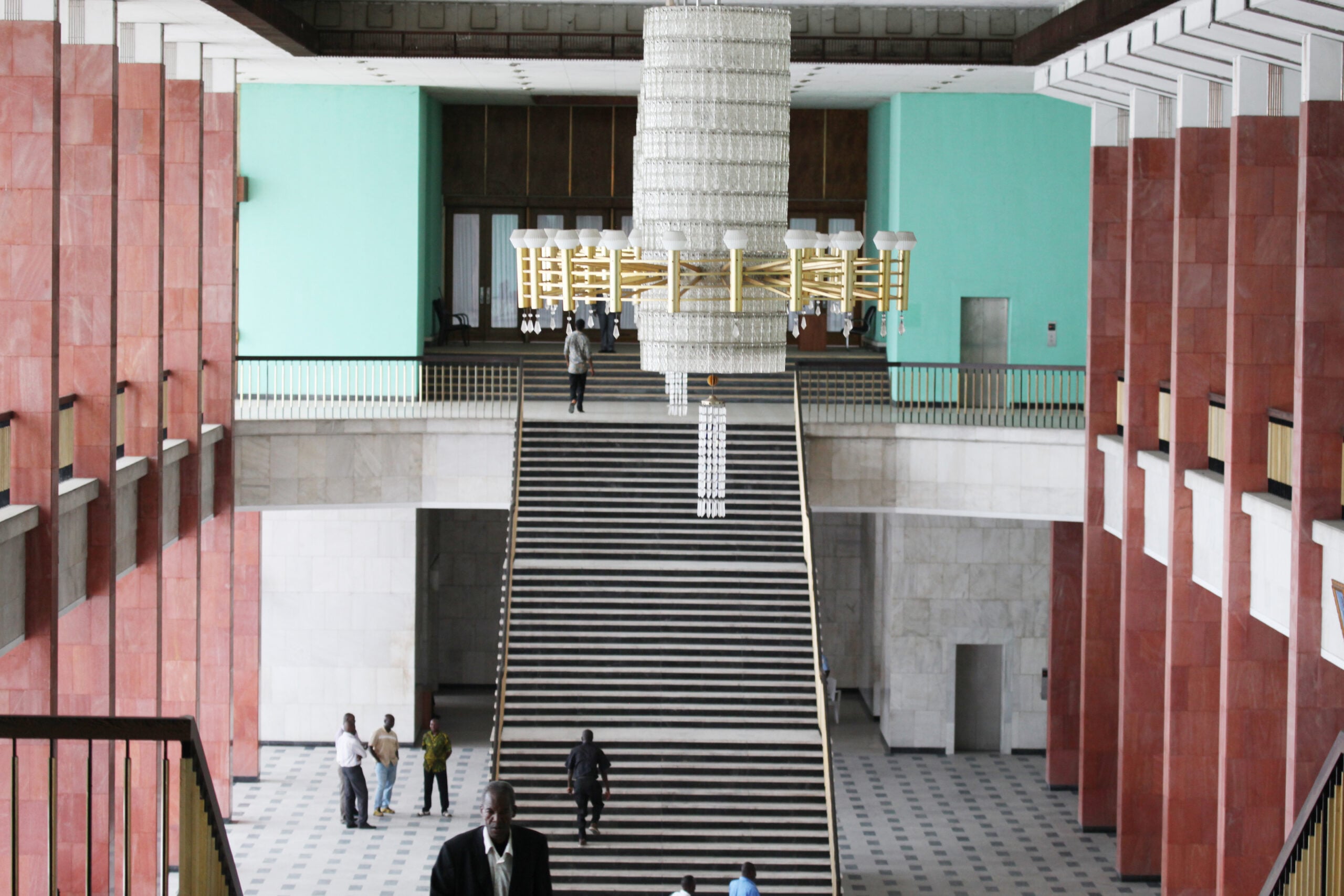
He would also base the CENI’s structure on “geopolitical criteria” and open its presidency to all components of civil society, not only the religious denominations that hold it today. The National Assembly would run a call for candidates and examine the applications.
“The election of the president of the CENI is not an exclusivity of the religious denominations.”
Meschack Mandefu Muela, deputy, 7 April 2026 (translated from French)
His electoral-law bill would ban candidates from running at more than two levels in one electoral cycle and scrap a 60 percent admissibility threshold. It would raise the results threshold from 1 percent to 3 percent “to encourage large groupings”.
On the candidacy cap, he said that a candidate for national deputy who also wants to become governor “must prepare for another deadline”. He argued that some people concentrate public treasury funds within one family.
On the 3 percent threshold, he named large parties able to field and elect disciplined candidates, among them the Union for Democracy and Social Progress (UDPS), the president’s own party, rather than loose “mosaics” of individuals. It would also limit party witnesses and national observers to voters of the constituency, with an exception for international observers.
The CENI members’ term is six years and not renewable under the 2010 law that governs it. The next general elections are due in 2028 under the Constitution.
Prime Minister Judith Suminwa Tuluka included funds for electoral operations in the draft 2027 finance law that she presented to the Assembly. The Assembly’s economy, finance and budget control committee may revise the draft after examination.
The bills come near the end of the Assembly’s September 2026 ordinary session. Deputies are also examining the 2027 budget in the same period.
The bills come after the Assembly adopted the referendum-organisation law on Friday 23 October 2026, once it had taken into account the reservations of the Constitutional Court, the country’s top constitutional authority, with the opposition boycotting the vote. The Senate then adopted it unanimously on Saturday 31 October 2026, with 78 votes for, and President Félix Tshisekedi promulgated it on Monday 9 November 2026.
The law allows voters to be asked about a new constitution or changes to the current one. Opposition parties fear it could pave the way to a third term for Tshisekedi.
On 23 October 2026 Christian Mwando, chair of Ensemble pour la République, the opposition group in the Assembly, called the passage “a brutal closing of the door to dialogue”, saying the law was forced through in second reading without the opposition. Majority deputies welcomed the vote as an example of majority rule.
President Tshisekedi is serving his second and last constitutional term. No result of the 27 November session had been published at the time of writing.
Frequently Asked Questions
What are the two election bills about?
One changes the law governing the CENI, the electoral commission, and the other changes the 2006 electoral law. Both come from a deputy of the governing coalition.
Have the bills become law?
No. The result of the session is not known, and it is not yet known whether the Senate and the president would take them up.
Sources: Communiqué of the bureau of DR Congo’s National Assembly signed by Jacques Djoli (plenary session of 27 November 2026); bills and statements of Deputy Meschack Mandefu Muela (April 2026); organic law no. 10/013 (28 July 2010); electoral law no. 06/006 (9 March 2006); statement of Prime Minister Judith Suminwa Tuluka on the 2027 draft finance law; National Assembly vote on the referendum-organisation law (23 October 2026); statement of Christian Mwando, Ensemble pour la République.
Connected Coverage
This article was produced by The Rio Times’ automated AI newsroom. Editorial responsibility: Matthias Camenzind, Publisher and Editor-in-Chief. The Rio Times also runs Ask Rio Times, which answers from 100,000+ of our own articles, the daily Latin America Power Map, and prediction-market odds on elections and markets.. How we use AI · Report an error