IBOV 170,656.00 ▲ 1.63% IPSA 11,339.66 ▲ 0.91% IPC MEX 64,349.80 ▲ 0.55% MERVAL 2,931,172 ▲ 1.92% COLCAP 2,454.74 ▲ 0.43% BVL PERÚ 58,698.13 ▲ 1.62% USD/BRL5.16▼ 0.72% USD/MXN16.91▼ 0.28% USD/CLP917.81▼ 0.47% USD/COP3,042▼ 0.30% USD/PEN3.35▼ 0.26% USD/ARS1,497▼ 0.05% USD/UYU40.20▲ 1.58% USD/PYG5,996▲ 1.55% USD/BOB11.43▲ 0.41% USD/DOP58.53▼ 0.29% USD/CRC450.05▲ 3.34% USD/GTQ7.62▲ 2.21% USD/HNL26.81▲ 0.31% USD/NIO36.62▲ 0.29% USD/VES778.00▼ 0.13% USD/PAB1.00— 0.00% USD/BZD2.00— 0.00% USD/JMD 157.28 — 0.00% USD/TTD6.71▲ 0.79% EUR/BRL6.02▼ 0.27% BRENT 88.88 ▼ 0.03% WTI 83.11 ▼ 0.11% IRON ORE 161.91 — — COPPER 6.61 ▲ 0.03% GOLD 4,461 ▲ 1.78% SILVER 65.59 ▲ 1.26% SOY 1,184 ▲ 3.20% CORN 480.50 ▲ 10.02% WHEAT 655.00 ▲ 3.93% COFFEE 317.25 ▼ 5.51% SUGAR 16.43 ▼ 1.79% ORANGE JUICE 138.55 ▼ 0.47% COTTON 85.03 ▲ 2.33% COCOA 5,719 ▲ 3.18% BEEF 223.60 ▼ 3.93% CATTLE 339.10 ▼ 3.16% LITHIUM 75.20 ▲ 1.47% PETR4 41.64 ▼ 0.05% VALE3 72.97 ▲ 0.83% ITUB4 38.60 ▼ 1.03% BBDC4 16.85 ▲ 0.36% ABEV3 14.89 ▼ 0.80% BBAS3 19.37 ▲ 0.47% B3SA3 14.26 ▼ 0.21% WEGE3 47.59 ▲ 0.49% PRIO3 59.14 ▼ 0.19% SUZB3 41.33 ▲ 2.35% RENT3 34.68 ▼ 0.09% AZZA3 15.89 ▼ 2.63% CSAN3 3.22 ▼ 1.83% RAIZ4 0.25 — 0.00% PCAR3 2.75 ▼ 0.36% GMAT3 3.65 ▼ 1.08% PSSA3 48.13 ▼ 0.54% CVCB3 1.33 ▼ 2.92% POSI3 3.36 ▲ 2.44% SLCE3 13.34 ▲ 0.30% NATU3 8.14 ▼ 0.73% IBOV 170,656.00 ▲ 1.63% IPSA 11,339.66 ▲ 0.91% IPC MEX 64,349.80 ▲ 0.55% MERVAL 2,931,172 ▲ 1.92% COLCAP 2,454.74 ▲ 0.43% BVL PERÚ 58,698.13 ▲ 1.62% USD/BRL 5.16 ▲ 0.01% USD/MXN 17.06 ▼ 0.24% USD/CLP 913.98 ▲ 0.04% USD/COP 3,140 ▲ 0.03% USD/PEN 3.36 ▼ 0.66% USD/ARS 1,493 ▲ 0.10% USD/UYU 40.27 ▲ 1.24% USD/PYG 5,939 ▲ 1.68% USD/BOB 11.64 ▼ 0.76% USD/DOP 58.34 ▲ 1.25% USD/CRC 445.92 ▲ 0.89% USD/GTQ 7.62 ▲ 2.21% USD/HNL 26.79 ▲ 1.57% USD/NIO 36.62 ▲ 0.69% USD/VES 762.44 ▼ 0.13% USD/PAB 1.00 — 0.00% USD/BZD 2.00 — 0.00% USD/JMD 157.28 — 0.00% USD/TTD 6.70 ▲ 0.61% EUR/BRL 5.95 ▲ 1.01% BRENT 88.88 ▼ 0.03% WTI 83.11 ▼ 0.11% IRON ORE 161.91 — — COPPER 6.61 ▲ 0.03% GOLD 4,461 ▲ 1.78% SILVER 65.59 ▲ 1.26% SOY 1,184 ▲ 3.20% CORN 480.50 ▲ 10.02% WHEAT 655.00 ▲ 3.93% COFFEE 317.25 ▼ 5.51% SUGAR 16.43 ▼ 1.79% ORANGE JUICE 138.55 ▼ 0.47% COTTON 85.03 ▲ 2.33% COCOA 5,719 ▲ 3.18% BEEF 223.60 ▼ 3.93% CATTLE 339.10 ▼ 3.16% LITHIUM 75.20 ▲ 1.47% PETR4 41.64 ▼ 0.05% VALE3 72.97 ▲ 0.83% ITUB4 38.60 ▼ 1.03% BBDC4 16.85 ▲ 0.36% ABEV3 14.89 ▼ 0.80% BBAS3 19.37 ▲ 0.47% B3SA3 14.26 ▼ 0.21% WEGE3 47.59 ▲ 0.49% PRIO3 59.14 ▼ 0.19% SUZB3 41.33 ▲ 2.35% RENT3 34.68 ▼ 0.09% AZZA3 15.89 ▼ 2.63% CSAN3 3.22 ▼ 1.83% RAIZ4 0.25 — 0.00% PCAR3 2.75 ▼ 0.36% GMAT3 3.65 ▼ 1.08% PSSA3 48.13 ▼ 0.54% CVCB3 1.33 ▼ 2.92% POSI3 3.36 ▲ 2.44% SLCE3 13.34 ▲ 0.30% NATU3 8.14 ▼ 0.73%
since 2009
Friday, August 21, 2026

Dollar Surges to R$5.53 Amid Global Uncertainties

By · October 8, 2024 · 2 min read

Daily Brief

The morning intel from across Latin America. Free.

By subscribing you agree to our privacy policy. We never share your email.

The dollar strengthened against the Brazilian real on Tuesday, October 8, reaching R$5.53. This 0.8% increase reflected broader global trends.

Investors sought safer assets due to worldwide uncertainties. The currency’s rise stemmed from three main factors: China’s economic situation, Middle East conflicts, and U.S. interest rate expectations.

China’s economic outlook worried investors. The country’s National Development and Reform Commission announced plans to boost spending. However, the proposed measures fell short of market expectations.

This disappointment led to a decline in commodity prices. As the world’s largest commodity importer, China’s economic health significantly impacts global markets.

The escalating conflict in the Middle East added to investor concerns. Israel expanded its offensive against Hezbollah in Lebanon. This action followed Iran’s retaliation from the previous week.
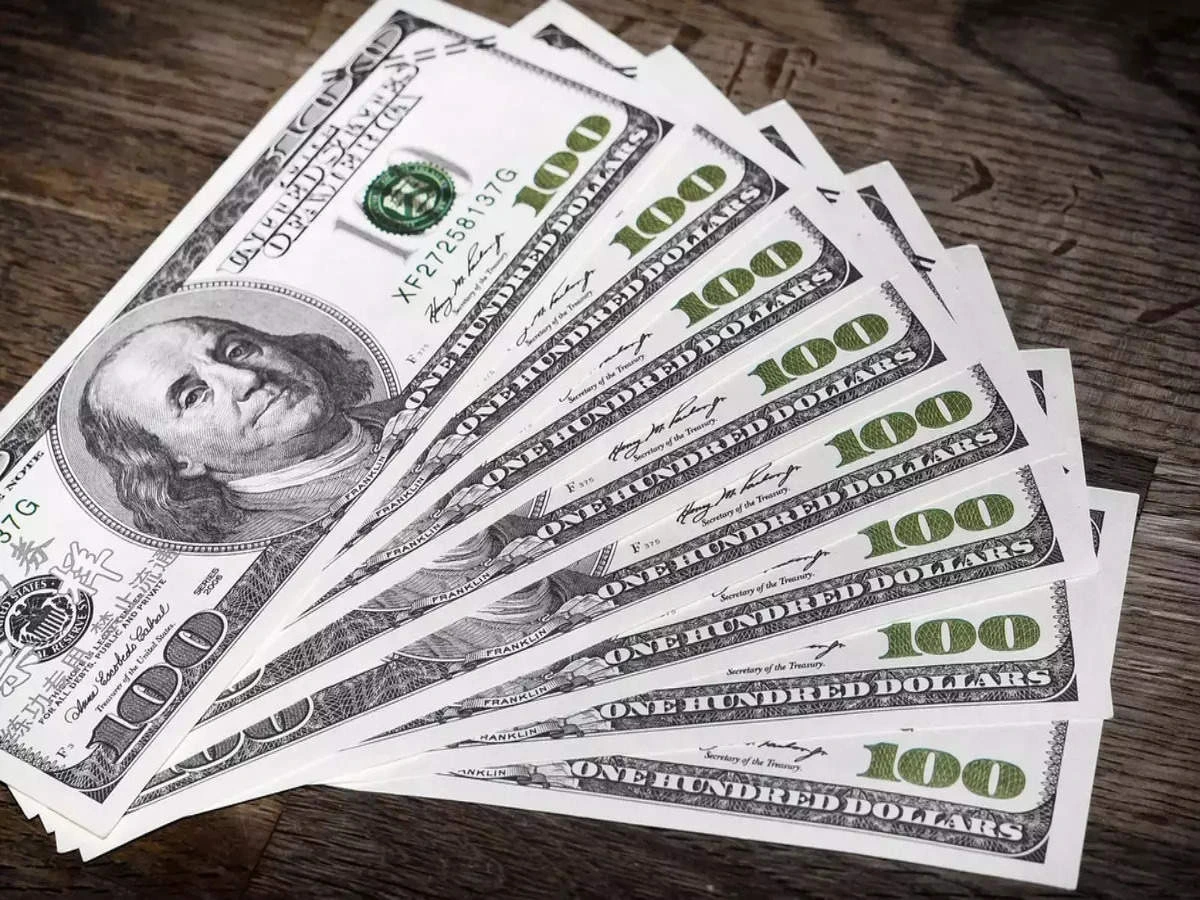
Dollar Surges to R$5.53 Amid Global Uncertainties
Dollar Surges to R$5.53 Amid Global Uncertainties. (Photo Internet reproduction)
One-stop reference
Company Intelligence
Every listed company in Latin America — financials, ownership and structure for 1,450+ companies across 26 exchanges, in one place.
Browse the directory →
RT
Ask Rio Times
Latin American markets, currencies and companies.
Open the full Ask Rio Times →

The prospect of a wider war in the region unsettled financial markets. Investors moved away from riskier assets, favoring more stable options like the U.S. dollar.

U.S. interest rate expectations also played a role in the dollar’s rise. Investors increasingly bet on a smaller interest rate cut by the Federal Reserve. They now anticipate a 25 basis point reduction in November.

This outlook contrasts with earlier predictions of a 50 basis point cut. Higher interest rates typically strengthen a currency by attracting more foreign investment.

These factors combined to push the dollar higher against emerging market currencies. The South African rand and Chilean peso both weakened against the dollar.

Brazil’s Real Faces Currency Pressures

Brazil’s real followed this trend. The commercial dollar closed at R$5.532 for both buying and selling. This represented a 0.86% increase from the previous day.

The dollar’s strength affected commodity markets. Oil and iron ore prices fell due to concerns about Chinese demand.

This decline further impacted the currencies of commodity-exporting countries. Brazil, as a major exporter, felt the effects of this market shift.

The dollar’s rise continues a trend seen in early October. In the first six business days of the month, the U.S. currency gained 1.55% against the real.

This movement reflects ongoing global economic uncertainties. Investors continue to navigate a complex landscape of geopolitical tensions and economic policy shifts.

Financial analysts view these developments with caution. They note the market’s sensitivity to news from China and the Middle East.

The situation remains fluid, with potential for further currency fluctuations. Investors and policymakers alike are closely monitoring these trends.

As global events unfold, the Brazilian real faces ongoing pressure. The currency’s value reflects both domestic factors and international developments.

Brazil’s central bank must balance these external pressures with internal economic needs. The coming weeks may bring further challenges as markets respond to evolving global situations.

This article was produced by The Rio Times’ automated newsroom system. How we use AI · Report an error

LatAm Markets: Live Signals → — real-time movers, turnover leaders and FX across Latin America.

Read More from The Rio Times

The Rio Times · Power Map
See who really holds power in Latin America
Click to open the Power Map

Rotate for Best Experience

This report is optimized for landscape viewing. Rotate your phone for the full experience.