Dollar Reaches Two-Month High, Closing at R$ 5.69; U.S. Currency Gains 1.5% in a Week
The dollar gained momentum as commodities sharply devalued, pushing it back to R$ 5.70, the highest level since August. This surge occurred amid slower economic growth in China, affecting emerging market currencies.
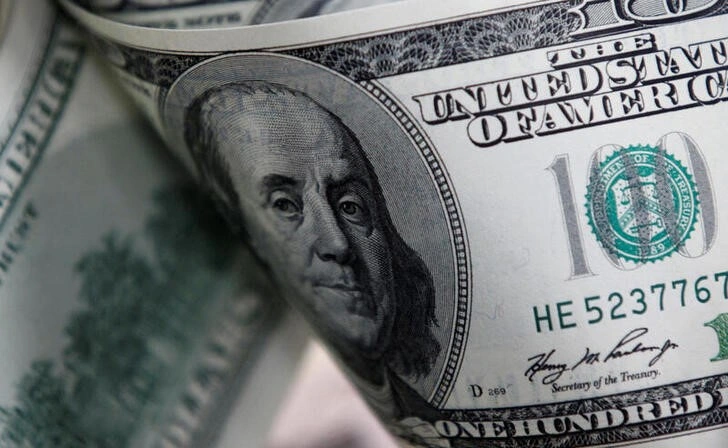
The spot dollar (USDBRL) closed trading at R$ 5.6989, up 0.69%. During the session, the U.S. currency hit R$ 5.7029, its highest intraday rate since August 6. Over the week, the dollar advanced 1.49% against the Brazilian real.
This performance contrasted with trends seen elsewhere. The DXY index, which compares the U.S. dollar to a basket of six global currencies, fell 0.31% today.
Several factors influenced the dollar‘s movement. Globally, the currency gained strength due to ongoing caution about public accounts and falling commodity prices.
Domestically, the market awaited announcements of spending containment measures as the executive branch sought ways to comply with fiscal framework rules.
The most-traded iron ore contract for January on China’s Dalian Commodity Exchange (DCE) ended the day down 1.55% at 760.5 yuan (US$106.95) per ton.
This commodity reacted to China’s third-quarter Gross Domestic Product (GDP), which expanded by 4.6% between July and September.
China’s Economic Slowdown and Global Market Shifts
China’s economic growth slowed to its lowest pace since early 2023, although consumption and factory production numbers exceeded forecasts.
The People’s Bank of China (PBoC) initiated two financing schemes, injecting up to 800 billion yuan ($112.38 billion) into the stock market.
Oil prices also declined, with Brent crude futures for December settling 1.87% lower at $73.06 per barrel on the Intercontinental Exchange (ICE) in London.
The U.S. dollar also gained support from increasing bets on Donald Trump’s victory in the upcoming U.S. presidential election.
The Republican candidate has promised to implement measures some analysts consider inflationary, potentially benefiting the dollar.
These economic shifts and political developments continue to shape currency markets, highlighting the complex interplay between global events and financial trends.
This article was produced by The Rio Times’ automated newsroom system. How we use AI · Report an error
LatAm Markets: Live Signals → — real-time movers, turnover leaders and FX across Latin America.
Read More from The Rio Times