December 23: The Date That Could Make or Break Mozambique’s Stability
The streets of Maputo echo with the nightly sound of banging pots and pans. These protests signal a deeper crisis than just another disputed African election.
Since October, Mozambique has witnessed its most sustained civil unrest in recent history, with consequences reaching far beyond its borders.
Security forces have killed dozens of protesters and injured hundreds more. Authorities have detained thousands of citizens. These figures represent more than statistics – they mark a significant shift in how Mozambicans respond to political grievances.
At the heart of this crisis lies a fundamental dispute. Official results show ruling party candidate Daniel Chapo winning with a clear majority, while opposition leader Venâncio Mondlane claims widespread fraud and refuses to accept these numbers.
The Constitutional Council must decide by December 23 whether to validate or nullify the election results. Their decision could either calm or inflame the situation.
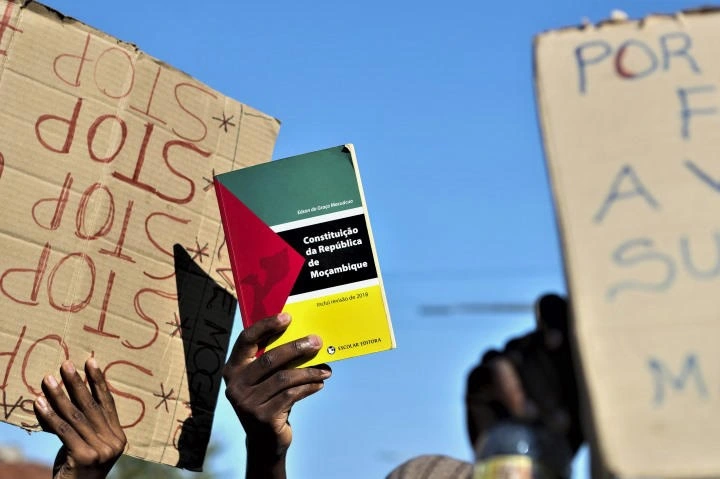
Most observers expect the council to confirm Chapo’s victory, potentially triggering more unrest. The economic impact spreads across southern Africa. Mozambique’s ports serve as vital trade links for neighboring countries.
Mozambique’s Political Crisis
The protests have already disrupted these crucial supply chains, affecting regional commerce. The IMF expects to revise down Mozambique’s growth forecast for next year.
International mediators see potential solutions. South Africa has initiated talks between the parties. Some analysts suggest a power-sharing agreement, similar to past resolutions in Zimbabwe and Kenya.
However, the ruling Frelimo party shows little interest in compromise. The protests reflect deeper issues than electoral fraud. Young Mozambicans express frustration with limited social mobility and unequal distribution of the country’s natural resource wealth.
These underlying problems will persist regardless of who holds power. As December 23 approaches, Mozambique faces a critical choice between compromise and continued conflict.
In short, the outcome will shape not just the country’s political future, but the stability of southern Africa’s economic corridor.
More: South Africa news in English, every day from The Rio Times.
This article was produced by The Rio Times’ automated newsroom system. How we use AI · Report an error · Editorial responsibility: Matthias Camenzind, Editor-in-Chief
Part of our ongoing coverage
Africa: The New Scramble — the great-power contest over the continent.