Cuba’s Alfredo Guevara Hall to Screen Documentary “Pelé”
CULTURAL SCENE IN OLD HAVANA
Key Facts
—Venue. The screening takes place at Sala Alfredo Guevara in the Edificio Santo Domingo, Old Havana.
—Date and Time. Saturday, July 25, at 2:00 p.m. local time.
—Admission. Entry costs 100 Cuban pesos (CUP).
—The Film. Directed by Ben Nicholas and David Tryhorn, the documentary reviews Pelé’s life and global impact.
—Context. The event offers a low-cost cultural option for residents and visitors in the historic centre.
Havana’s Alfredo Guevara Hall will screen the documentary “Pelé” on Saturday, July 25, bringing the story of Brazil’s football icon to a Cuban audience in the heart of Old Havana.
A Cultural Offering in the Historic Centre
The screening is scheduled for 2:00 p.m. at Sala Alfredo Guevara, a venue named after the influential Cuban intellectual and film promoter. It sits inside the Edificio Santo Domingo on Calle San Ignacio, between Obispo and O’Reilly streets.
Admission is set at 100 Cuban pesos (CUP), making it an accessible event for locals. For expats and tourists navigating Cuba’s dual-currency realities, the price represents a modest outlay for an afternoon of international documentary cinema.
For foreign readers unfamiliar with the local currency landscape, it helps to understand that Cuba operates with a single official currency, the Cuban peso, after a years-long process of monetary unification. In everyday terms, 100 pesos is a sum that most Cuban households can manage for an occasional cultural outing, though it still requires a deliberate choice in a context where wages remain low by international standards.
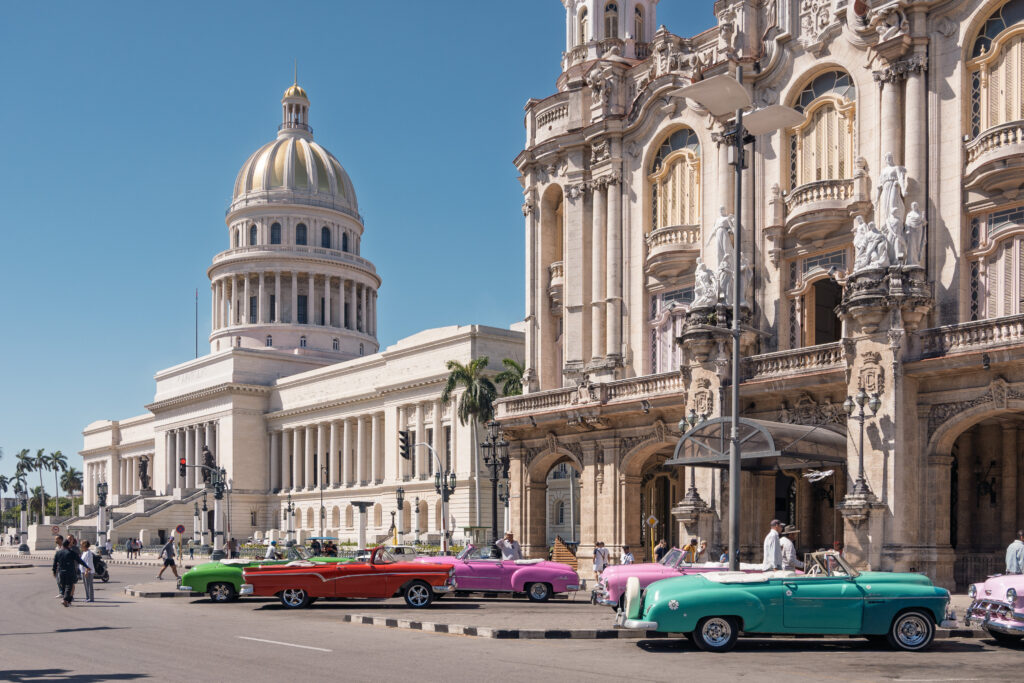
The location itself adds value beyond the film. Old Havana is not merely a backdrop but a living museum of Spanish colonial architecture, its narrow streets and shaded plazas drawing visitors year-round.
Attending a screening here means combining cinema with the experience of walking through one of the Caribbean’s best-preserved historic districts.
The Documentary “Pelé” and Its Directors
The film is directed by Ben Nicholas and David Tryhorn, who trace the trajectory of Edson Arantes do Nascimento, known globally as Pelé. It covers his rise from poverty to becoming a three-time World Cup champion and a transcendent figure in sport.
The documentary reviews key moments of his career and his impact off the pitch. For a Cuban audience, where football has deep roots but Brazilian stars hold a particular mystique, the film offers a rare big-screen portrait of a Latin American legend.
Documentary screenings of this kind serve a dual purpose in Cuba. They entertain, but they also function as a form of cultural education, exposing audiences to global figures and historical narratives that might otherwise remain distant.
In a media environment where internet access is still uneven and streaming services are not universally available, the communal experience of a cinema hall retains a significance it has lost in many other countries.
What the Screening Means for Havana’s Cultural Landscape
State-supported cultural venues like the Alfredo Guevara Hall remain vital in a city where private entertainment options are limited. Screenings of international documentaries provide a window to global stories without the price tag of private cinemas or streaming platforms, which remain patchy under U.S. sanctions and local infrastructure constraints.
For investors and market watchers, these small-scale events signal continuity in Cuba’s public cultural programming. They also highlight the enduring soft-power appeal of Brazilian icons across Latin America, even in markets with distinct political and economic alignments.
It is worth noting that cultural programming in Cuba has historically been a priority of state policy, rooted in the idea that access to art and knowledge is a right, not a luxury. Venues like Sala Alfredo Guevara are part of a network that includes museums, libraries, and community centres, all operating under the principle of low-cost or free admission.
The survival of this model, despite the severe economic pressures of recent years, is something observers watch closely as an indicator of social stability.
The Venue: Sala Alfredo Guevara
The hall bears the name of Alfredo Guevara, a founder of the New Latin American Cinema movement and a close associate of Fidel Castro. His legacy is tied to the promotion of film as a tool for cultural dialogue across the region.
Located in a restored colonial building, the venue itself is part of the experience. Visitors walk through the cobbled streets of La Habana Vieja, a UNESCO World Heritage site, before stepping into a space dedicated to cinema history.
The New Latin American Cinema movement, for those less familiar with the term, emerged in the mid-20th century as a push to create films that reflected the social and political realities of the region, distinct from Hollywood and European traditions. Alfredo Guevara was instrumental in founding Cuba’s national film institute and the Havana Film Festival, institutions that continue to shape the island’s cultural identity today.
The Read-Through for Expats and Visitors
For the small but steady expat community in Havana, events like this are a practical way to engage with local culture. The 100 CUP admission is negligible for those earning in foreign currency, and the afternoon timing fits a leisurely Saturday schedule.
The screening also underscores a broader point: cultural programming in Cuba continues to function despite economic pressures. For businesses and diplomatic missions monitoring the operating environment, these signals matter as much as macroeconomic data.
Beyond the practicalities, attending a local screening offers a rare chance to sit alongside habaneros in a shared space, something that routine tourist itineraries often miss. It is a reminder that daily life in Havana includes quiet, ordinary pleasures that persist alongside the more visible challenges of shortages and power cuts.
Pelé’s Enduring Pull Across Latin America
Pelé remains a unifying figure in a region often divided by politics. His story resonates from São Paulo to Havana, transcending ideological lines in a way few public figures manage.
The documentary’s screening in Cuba is a reminder that cultural exchange persists even when diplomatic channels are strained. It is a small but telling example of how Latin American nations continue to share their stories with one another.
What to watch next is whether this type of programming expands or contracts in the months ahead. Will Sala Alfredo Guevara announce further international documentary screenings that build on this offering, or will economic constraints force a quieter calendar?
And will the turnout on a Saturday afternoon in July suggest a genuine appetite for more such events, or simply a one-off curiosity driven by the universal appeal of football? The answers will offer a small but real window into the mood of a city navigating prolonged hardship.
More: Cuba news in English, every day from The Rio Times.
Frequently Asked Questions
Where exactly is the Alfredo Guevara Hall in Havana?
The hall is inside the Edificio Santo Domingo on Calle San Ignacio, between Obispo and O’Reilly streets in La Habana Vieja. It is a short walk from the Plaza de la Catedral and easily reached on foot from most points in the historic centre.
How much does it cost to attend the screening of the documentary “Pelé”?
Admission is 100 Cuban pesos (CUP). For context, this is roughly the price of a simple meal at a state-run cafeteria, making it an affordable cultural outing for most residents and a negligible expense for international visitors.
Is the documentary “Pelé” a new release?
The film by Ben Nicholas and David Tryhorn was released internationally in 2021 and has been distributed on streaming platforms. The Havana screening is a local theatrical showing rather than a premiere, part of the venue’s regular programming of international documentaries.
This article was produced by The Rio Times’ automated newsroom system. How we use AI · Report an error
Read More from The Rio Times