Copa do Brasil’s Quarterfinal Moment: Money, Survival, and Local Pride in Brazilian Football
Brazil’s 2025 Copa do Brasil, run by the official Brazilian Football Confederation (CBF), has come down to its last eight teams—Corinthians, Atlético Mineiro, Athletico Paranaense, Fluminense, Botafogo, Bahia, Vasco, and Cruzeiro.
For these clubs, this is more than chasing a trophy: it means financial survival and community pride. Each team that reached the quarterfinals has already secured almost R$5 million (about $1 million) in prize money.
According to CBF, the final winner will take home at least R$77 million from prize funds alone. The tournament’s total pool tops R$500 million, reflecting its major place in Brazil’s football and business scene.
For many clubs, especially those with debts or thin budgets, this cash injection can make the difference between paying wages and slipping into crisis. Some can upgrade stadiums, invest in youth training, and stay afloat for another season.
Clubs in lower divisions, like Athletico Paranaense, show that any club can win big, not just the richest teams. CBF’s rules for the quarterfinal stage allow any team to face any other—no special seeding, only chance.
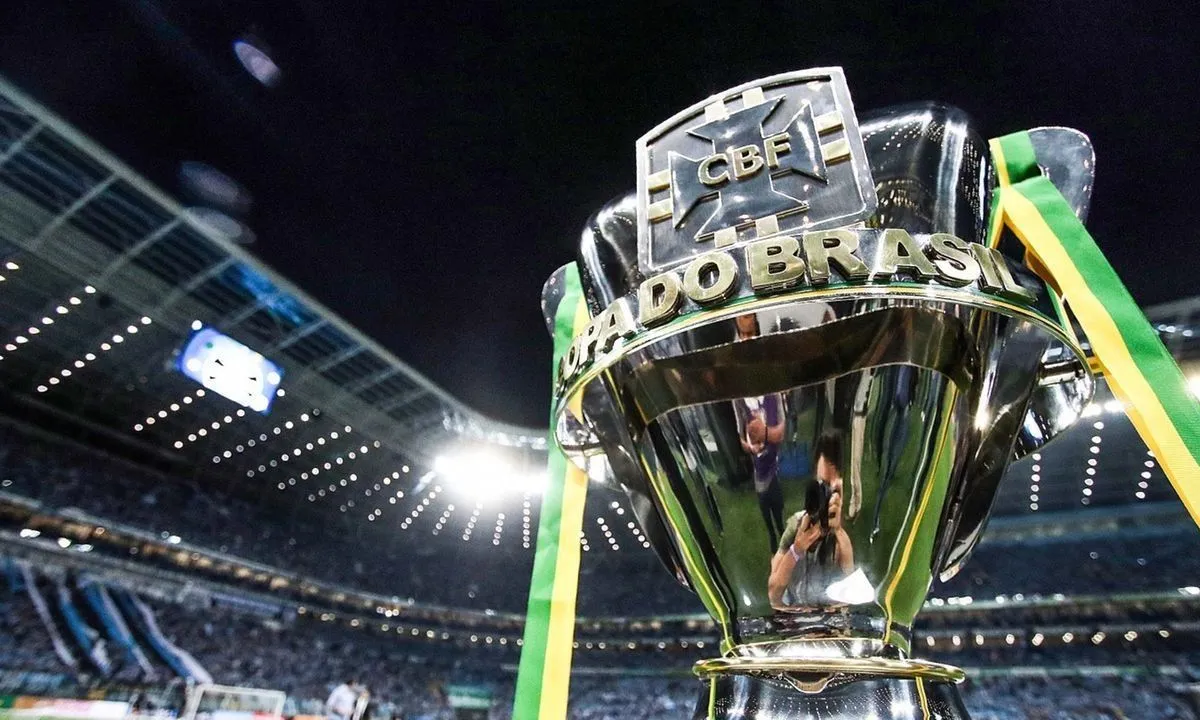
This openness heightens drama, brings famous local rivalries to the national stage, and increases television and sponsor attention. With millions watching and talking about every move, communities around Brazil feel the pressure and hope of their club’s success.
The next matches happen between late August and mid-September, with the draw for fixtures happening live at CBF’s headquarters.
There is no behind-the-scenes advantage: all teams have a fair shot, confirmed by open CBF procedures. What is truly behind the stakes is the link between football, money, and community life.
A single victory can mean jobs, celebrations, and stability for people well outside the stadium gates. Cities organize around matches; local shops count on extra sales; and young players dream of the spotlight.
For readers everywhere, the Copa do Brasil is a window into how football shapes Brazil—not just as a game, but as an economic lifeline and social glue. Every statistic here comes from CBF’s public records. No part of this account includes speculation or unofficial stories.
This article was produced by The Rio Times’ automated newsroom system. How we use AI · Report an error · Editorial responsibility: Matthias Camenzind, Editor-in-Chief
Read More from The Rio Times