São Paulo’s Cup Dream Ends on a Night of Controversy and Cost
More than 30,500 fans packed Ligga Arena in Curitiba on August 6, 2025, as Athletico Paranaense and São Paulo faced off in the Copa do Brasil quarterfinals.
Early drama shaped the match: São Paulo’s goalkeeper Rafael received a straight red card for a foul outside the penalty area just three minutes after kickoff.
Although replays did not clearly show what happened, the referee made the call without consulting VAR, leaving São Paulo with just ten players for nearly the entire game.
Playing a man down, São Paulo switched to a defensive approach. Both teams grew frustrated and fouled repeatedly, finishing with a combined total of 38 infractions.
Athletico-PR struggled to break down São Paulo’s reduced defense, but Gastón Esquivel finally scored from distance in the 69th minute, giving the home side the lead.
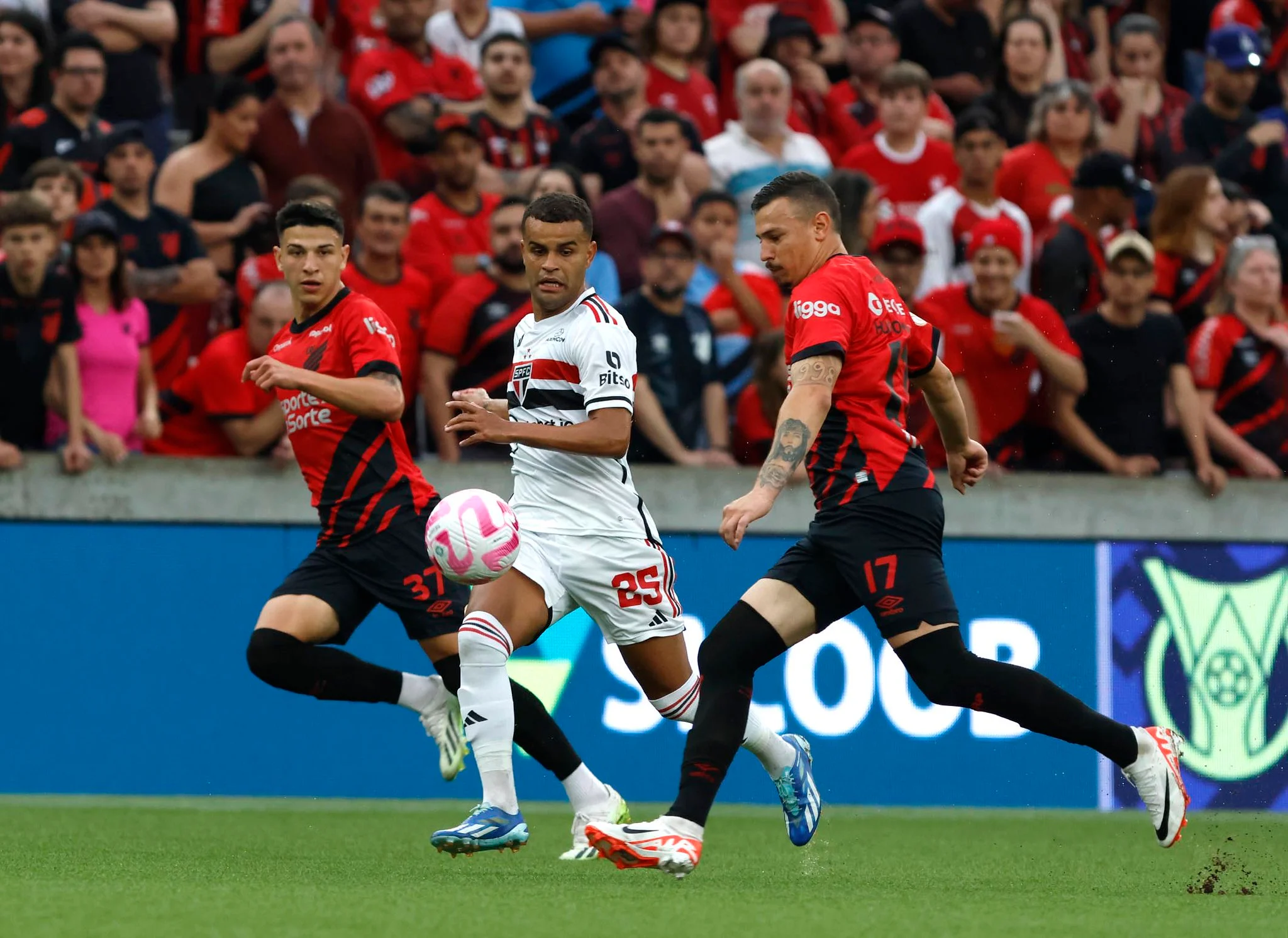
São Paulo appeared to tie the game, but Luciano’s goal was nullified for offside after checks by the officials. As the tension mounted, both squads expressed anger at the referee’s decisions, especially the uneven calls and the large number of yellow cards.
Financial Hits and Controversy Shake Brazilian Football
The match ended tied on aggregate after two legs, moving the contest to a penalty shootout. There, São Paulo’s players missed all of their attempts, while Athletico’s shooters succeeded every time, claiming a 3-0 win.
Match records show São Paulo’s penalty kicks presented little real threat to Athletico’s goalkeeper. The impact runs deeper than a bitter defeat.
With this exit, São Paulo loses the chance for prize money, future ticket sales, and TV revenue that advance in the tournament would have brought; just this match generated over R$1.5 million at the gate.
Athletico-PR, on the other hand, sees its schedule—and its earning potential—grow with each cup round. For fans and clubs alike, this game made clear how a single referee’s decision can shift the outcome.
It can also impact the finances and planning for an entire season. The controversy over officiating and São Paulo’s crumbling under pressure moves debate far beyond the field.
The high tension, missed opportunities, and business consequences show that, in Brazilian football, the smallest on-field moments often carry the highest cost—both in glory and in revenue.
This article was produced by The Rio Times’ automated newsroom system. How we use AI · Report an error · Editorial responsibility: Matthias Camenzind, Editor-in-Chief
Read More from The Rio Times