
COMOROS · DIPLOMACY
Key Facts
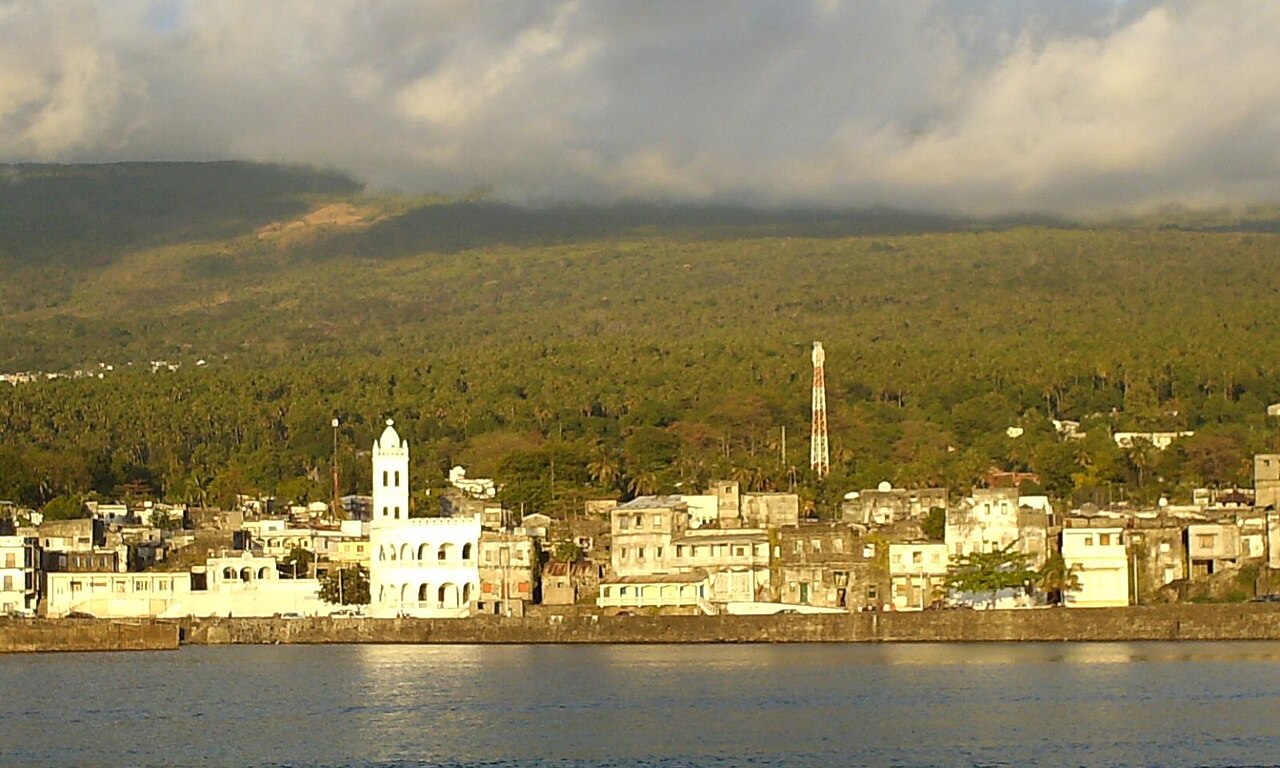
- —The country Comoros is an Indian Ocean archipelago between Mozambique and Madagascar, with fewer than 1 million people, led by President Azali Assoumani.
- —What happened Comoros backs Saudi Arabia: on 21 October 2026, Comorian media reported that Crown Prince Mohammed bin Salman thanked President Azali Assoumani for condemning Houthi attacks.
- —The Houthis The Houthis are an Iran-aligned armed movement that controls Sanaa and much of northern Yemen, and a Saudi-led coalition has fought them since 2015.
- —The message The crown prince praised Comorian solidarity, backed ties between the two states, and said he wants to widen cooperation in various fields for their common interests.
- —The attacks Houthi strikes on Saudi airports in October, including Najran and Riyadh, followed a UN Security Council condemnation on 25 September, and many Arab and Muslim-majority states also condemned the attacks.
- —Prediction markets Polymarket bets put a Saudi-Houthi ceasefire announcement by 31 December at 30.5% and by 31 October at 3.9% (22 October, 2:33 a.m. ET).
- —Still open The date of Azali Assoumani’s original letter and any new Saudi aid for Comoros have not been made public.
Comoros backs Saudi Arabia against the Houthi attacks, and Crown Prince Mohammed bin Salman has thanked President Azali Assoumani in writing. Al-Watwan, the national daily of Comoros, reported the reply on Wednesday 21 October 2026.
For US readers, the exchange shows how the Houthi campaign against Saudi airports has pulled small Indian Ocean states into Gulf diplomacy. It also shows where Riyadh is gathering public support near the Red Sea shipping routes.
What Comoros Said and How Riyadh Answered
Al-Watwan reported that the Saudi crown prince, who is also prime minister, wrote to thank Azali Assoumani for condemning Houthi attacks. Both leaders call the Houthi groups terrorists, and the prince said he received the Comorian message with great appreciation.
Mohammed bin Salman wrote that the way Comoros backs Saudi Arabia shows the strength of ties between the two countries. He voiced a wish to widen cooperation in various fields, and Comores Infos, a Comorian news site, carried the same account on 21 October.
The Houthi Attacks Behind the Exchange
The Houthis are an armed movement from Yemen that Iran backs, and Saudi Arabia has led a military coalition against them since 2015. Riyadh and its allies describe the recent strikes as attacks on civilians and civilian infrastructure.
The Khaleej Times reported that Saudi Arabia said the airports of Najran and Jazan were targeted on Monday 5 October, with three minor injuries. The Kuwait Times said Riyadh’s airport was hit on 10 October, and Kuwait condemned new strikes on Riyadh and Dammam on 11 October.
The Kuwait Times counted 18 dead across the string of attacks, and Saudi aviation authorities kept the Riyadh airport closed while they checked its safety. The UN Security Council had already condemned the Houthi strikes in the strongest terms on Friday 25 September.
Why a Small Island State Takes a Side
Comoros has belonged to the Arab League since 1993, and Islam is its state religion. Comorian pilgrims travel to Saudi Arabia each year for the Hajj, which gives Moroni a natural reason to stand with Riyadh.
La Gazette des Comores wrote on 2 October that Saudi Arabia was long the main patron of the islands. Its Saudi Fund for Development paid for roads, mosques and budget support, while the United Arab Emirates has since become the top Arab investor.
When Comoros backs Saudi Arabia in public, it costs Moroni little and keeps a historic donor close. Gulf goodwill also helps while Comoros holds talks with the IMF, as the Rio Times covered in its report on Comoros debt talks.
What Prediction Markets Say
On Polymarket, a US-based platform, bettors put a Saudi-Houthi ceasefire announcement by 31 December at 30.5% on 22 October at 2:33 a.m. ET. The same bets give 3.9% for an announcement by 31 October, and the market has traded US$402,907 in total.
Why we show this: prediction markets turn real-money bets into a live probability that moves within minutes of the news, which is why investors, campaigns and newsrooms in the United States now follow them closely. We show them next to polls and official results, never instead of them.
What It Means for US Readers
Houthi strikes on Saudi airports and energy sites can lift the risk priced into Gulf oil and Red Sea shipping. Comoros has no oil, yet the way Comoros backs Saudi Arabia shows Riyadh collecting public backing from Muslim-majority states across Africa.
The Houthis have also targeted Saudi ships in the southern Red Sea, which can raise freight costs. Investors can read the exchange beside the Rio Times profile of the Comorian economy, which rests on perfume oil and remittances.
What Is Not Known
The date of Azali Assoumani’s original letter has not been made public, nor how the crown prince’s reply reached Moroni. Neither government has said whether the fact that Comoros backs Saudi Arabia will bring new aid, investment or pilgrim quotas.
Saudi authorities said material damage from the airport strikes was still being assessed in mid-October. It is also open whether other African governments will publish similar statements and how the Houthis will react.
More: Africa news in English, every day from The Rio Times.
Frequently Asked Questions
Who are the Houthis?
The Houthis are an Iran-aligned armed movement that controls Sanaa and much of northern Yemen. A Saudi-led coalition has fought them since 2015.
What did Comoros say about the Houthi attacks?
President Azali Assoumani sent a written message condemning repeated attacks on Saudi civilian infrastructure. Comoros backs Saudi Arabia in this way, and the crown prince replied with thanks on 21 October.
Why does Saudi Arabia matter to Comoros?
Saudi Arabia has long financed roads, mosques and budget support in the islands through the Saudi Fund for Development. It also hosts Comorian pilgrims each year for the Hajj.
Is Comoros a party to the war in Yemen?
No report says Comoros has joined the fighting, and the sources describe a diplomatic exchange only. Its stance is a statement of solidarity with Saudi Arabia.
Does this affect oil prices or shipping for Americans?
The Comorian statement moves nothing, but the Houthi attacks behind it can raise the risk priced into Gulf oil and Red Sea shipping. Higher freight and fuel costs can reach US consumers with a delay.
Sources: Al-Watwan, Condamnation comorienne des actes des houthis, 21 October 2026; Comores Infos, Attaques houthies: Mohammed ben Salmane salue le soutien d’Azali Assoumani, 21 October 2026; La Gazette des Comores, Comment les Émirats ont ravi les Comores à l’Arabie saoudite, 2 October 2026; Kuwait Times, Saudi vows serious response, 12 October 2026; Khaleej Times, UAE condemns continued Houthi targeting of Saudi facilities, 7 October 2026; Express Tribune, UNSC condemns Houthi attacks, 26 September 2026.
This article was produced by The Rio Times’ automated newsroom system. How we use AI · Report an error · Editorial responsibility: Matthias Camenzind, Editor-in-Chief
Horn of Africa and the Red Sea
- Horn of Africa 2026: Why It Matters and Who Backs Whom
- Ethiopia’s Neighbors Explained, Ports, Eritrea, Somalia
- Eritrea Explained 2026, a Red Sea Country Guide
- Somalia Explained: Al-Shabaab, Somaliland, the Ports and the Fight Over a 2026 Vote