Key Facts
- The order: President Abelardo de la Espriella told the army to intensify operations and keep bombing armed-group targets.
- Planadas: A truck bomb killed four people, including a two-month-old baby, and injured at least 15 more.
- Wider wave: A patrolman died in a Saturday bomb attack in Algeciras, and explosives hit towns in Cauca.
- Prediction markets: Polymarket gives dissident leader Iván Mordisco a 17.5% chance of arrest in 2026 (Monday, 1:04 p.m. ET).
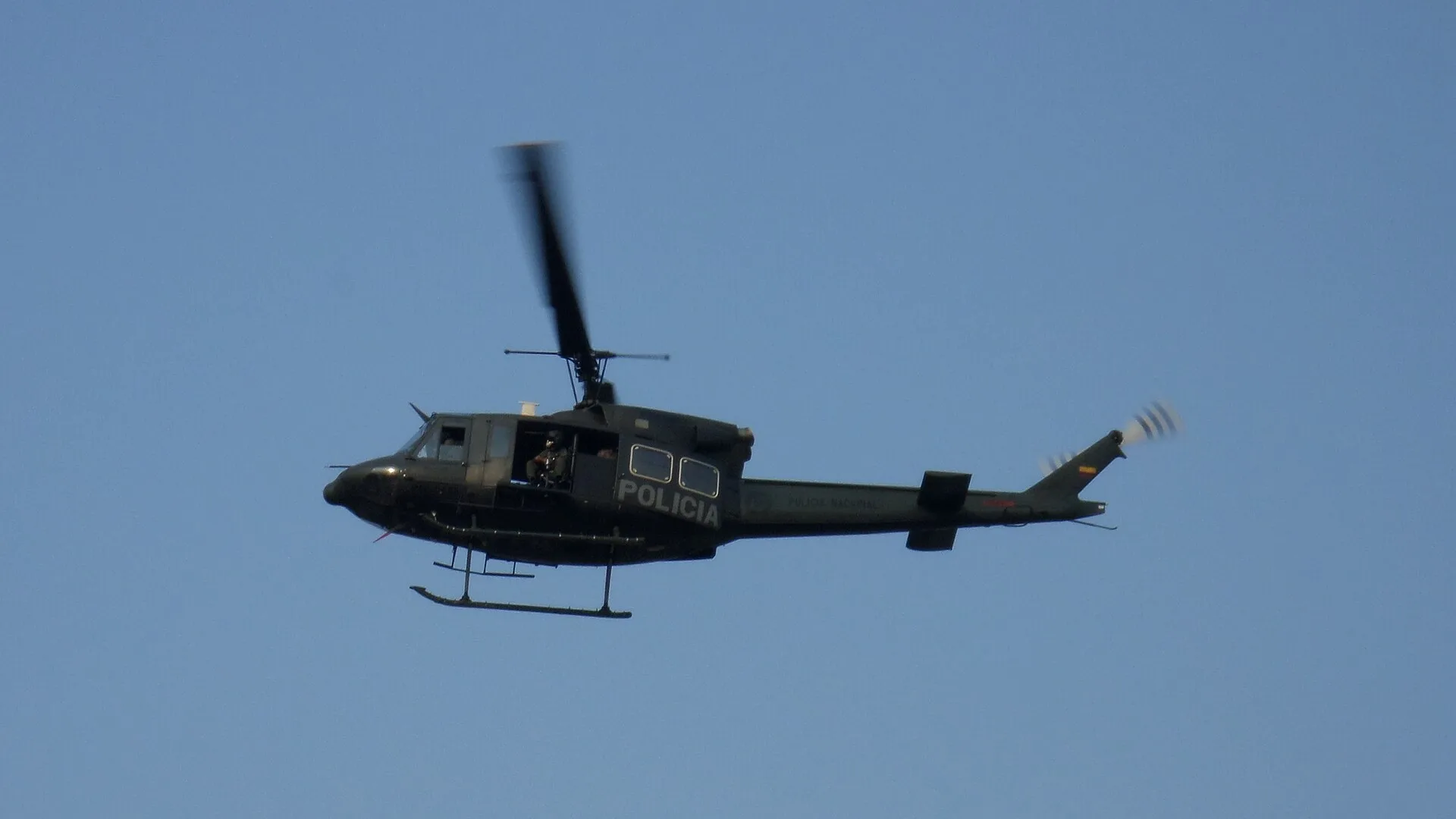
Colombia spent a public holiday counting the damage from a violent weekend, and its president answered with a promise of more bombing. President Abelardo de la Espriella, a conservative who took office in August, ordered the Colombian Army, the country’s land force, on Monday 2 November to intensify operations after attacks in three of the country’s regions.
The deadliest struck Planadas, a town in the southern department (province) of Tolima, where a truck bomb killed four people on Sunday night. Our first report covered the opening hours of that attack.
Published Monday, 2 November, 1:05 p.m. ET · Source: Office of the President of Colombia, Colombian Army, Tolima governor’s office, Colombian health ministry
What Was Left in Planadas
Residents woke to rubble, smoke and broken glass in a residential area next to a military base. The truck was a dump truck fitted with explosives, and investigators are looking at the possible use of drones as well.
Four people died, among them a baby of two months. At least 15 people were injured, according to early counts that vary between 15 and 17, and the Tolima governor’s office said it was coordinating care and repairs.
Colombia’s Ministry of Health called the attack “unacceptable” and demanded respect for medical staff and facilities after damage at and around the town’s hospital.
Why the President Is Reaching for Bombers
De la Espriella posted on X, the social network, that the state would face “narcoterrorism” with its full power, and that the crimes “will not go unpunished”. “Narcoterrorism” is the label his government uses for armed groups that fund themselves through drug trafficking.
He ordered a stronger security presence, more military operations and a continuation of bombings against what he called legitimate military targets. Army commander Maj.
Gen. José Bertulfo Soto Sánchez said he had ordered “the immediate intensification of military operations” across Tolima. He said troops of the Army’s Sixth Brigade, the unit based in Tolima would keep the offensive going to find those responsible.
A Wave That Reached Three Regions
The president named other attacks from the same violent stretch. On Saturday 31 October, in Algeciras, in the department of Huila, police patrolman Julián Esmith Castaño López was killed by a motorbike bomb, and officers and civilians were wounded.
In Cauca, a south-western department, he listed attacks with explosives and armed harassment in Balboa, La Sierra and Totoró. In Balboa, a motorbike loaded with explosives went off on Sunday night near the local hospital, and the Army’s 29th Brigade, a local unit, deployed to check for more devices.
The Colombian Army’s Third Division condemned the Balboa attack and said it put hospital buildings at risk. Preliminary information from authorities points to the “Carlos Patiño” unit of the FARC dissidents (fighters who left the former guerrilla army’s 2016 peace deal), led by Iván Mordisco, the nom de guerre of a commander of the splinter group.
What Prediction Markets Say
On Polymarket, a crypto-based prediction platform, a market on which cartel leaders will be arrested in 2026 priced Iván Mordisco at 17.5% at 1:04 p.m. ET on 2 November. The market had traded about US$198,000 in total, and prices are bets rather than forecasts by officials.
Why we show this: prediction markets turn real-money bets into a live probability that moves within minutes of the news, which is why investors, campaigns and newsrooms in the United States now follow them closely. We show them next to polls and official results, never instead of them.
What It Means for You
Colombia is one of Washington’s closest security partners in South America, and a harder military line there shapes US counternarcotics policy. Investors in Colombian assets, from the peso to Ecopetrol, the state-controlled oil company with a New York listing, weigh this kind of security risk.
Travellers should check their government’s advice before visiting Cauca, Huila or southern Tolima, where armed groups are active.
What Is Not Known
As of Monday afternoon, no group had claimed the Planadas attack, and the authorities had not formally named those responsible. Officials have not said whether new air raids have started, or when a final casualty count will be published.
The next markers are an official toll from Tolima, any claim of responsibility and the first bombing reports from the military.
Sources
Office of the President of Colombia (statement on X, 2 November); Colombian Army (Third Division and Sixth Brigade statements); Tolima governor’s office; Colombian Ministry of Health; Polymarket (2 November, 1:04 p.m. ET).
This article was produced by The Rio Times’ automated newsroom system. How we use AI · Report an error · Editorial responsibility: Matthias Camenzind, Editor-in-Chief
Frequently Asked Questions
What happened in Planadas, Colombia?
A truck loaded with explosives blew up near a military base on Sunday 1 November, killing four people, including a baby, and injuring at least 15.
What did President de la Espriella order?
He ordered stronger security, intensified military operations and continued bombing of what he called legitimate military targets.