
COLOMBIA · AIR SAFETY
Key Facts
- What happened Radar screens at Bogotá’s air control center failed for about two hours on Wednesday, 4 November.
- The warning ACDECTA, Colombia’s air traffic controllers’ union, calls repeated radar failures a latent risk to flight safety.
- The impact Takeoffs were paused, and Medellín and Rionegro airports logged 7 cancelled and 33 delayed flights.
- The response Aerocivil, Colombia’s civil aviation authority, activated contingency plans and said Bogotá was returning to normal.
- Not the first time A similar display fault hit the same control center on Monday, 31 August.
- Power Index Colombia ranks 6th of 14 in The Rio Times Latin America Power Index, with 51.9 points (October 2026 edition).
Colombia radar failures at Bogotá’s control center are a latent risk to flight safety, the country’s air traffic controllers warn. Their union issued the warning on Wednesday, 4 November, after a radar display fault lasted about two hours.
Travelers flying to or through Bogotá, Colombia’s capital, saw takeoffs paused and flights delayed. Aerocivil, the national civil aviation authority, said operations in Bogotá were returning to normal.
What Happened on Wednesday
The fault hit the radar display system at the Bogotá Control Center around 12:40 p.m. local time, according to the controllers’ union. That system shows controllers where each aircraft is on their screens.
The center guides air traffic from Aguachica, a town in the northern department of Cesar, to the south of the country, the union says. Because it also feeds other approach control rooms, the fault limited the handling of international flights and overflights.
Takeoffs were suspended and the flow of flights was restricted while the system was degraded, the union says. Those delays and capacity cuts are meant to keep flying safe.
Aerocivil said it activated technical and operational contingency protocols and widened the spacing between aircraft over Medellín as a precaution. It has since lifted that measure, and controllers reloaded the affected flight plans.
Airport figures for Wednesday afternoon show 7 flights cancelled and 33 delayed at Medellín’s Olaya Herrera and Rionegro’s José María Córdova airports. Aerocivil told passengers to check with their airlines for the latest status.
Why Radar Failures Worry Controllers
The union calls the recurring failures a latent risk to operational safety, meaning a danger that stays in the system until someone fixes it. It warns that leaning on controllers’ individual skill every time a system fails raises that risk.
The union wants Aerocivil to replace the quick restart after each failure with lasting fixes, including hardware and software updates. It also asks for steady preventive maintenance of the equipment.
Its third demand is about management: senior posts should go to technically qualified people chosen for professional suitability, not political reasons. The union says it has already filed petitions and official reports with Aerocivil to pinpoint the weak spots.
The union also praised the controllers and the technical support staff who worked through the fault. Its demands are aimed at equipment and management.
In Plain English, Who Is Who
ACDECTA is the Colombian Association of Air Traffic Controllers, the union for the people who guide planes by radar and radio. Aerocivil is Colombia’s civil aviation authority, the government agency that regulates airlines and provides air traffic services.
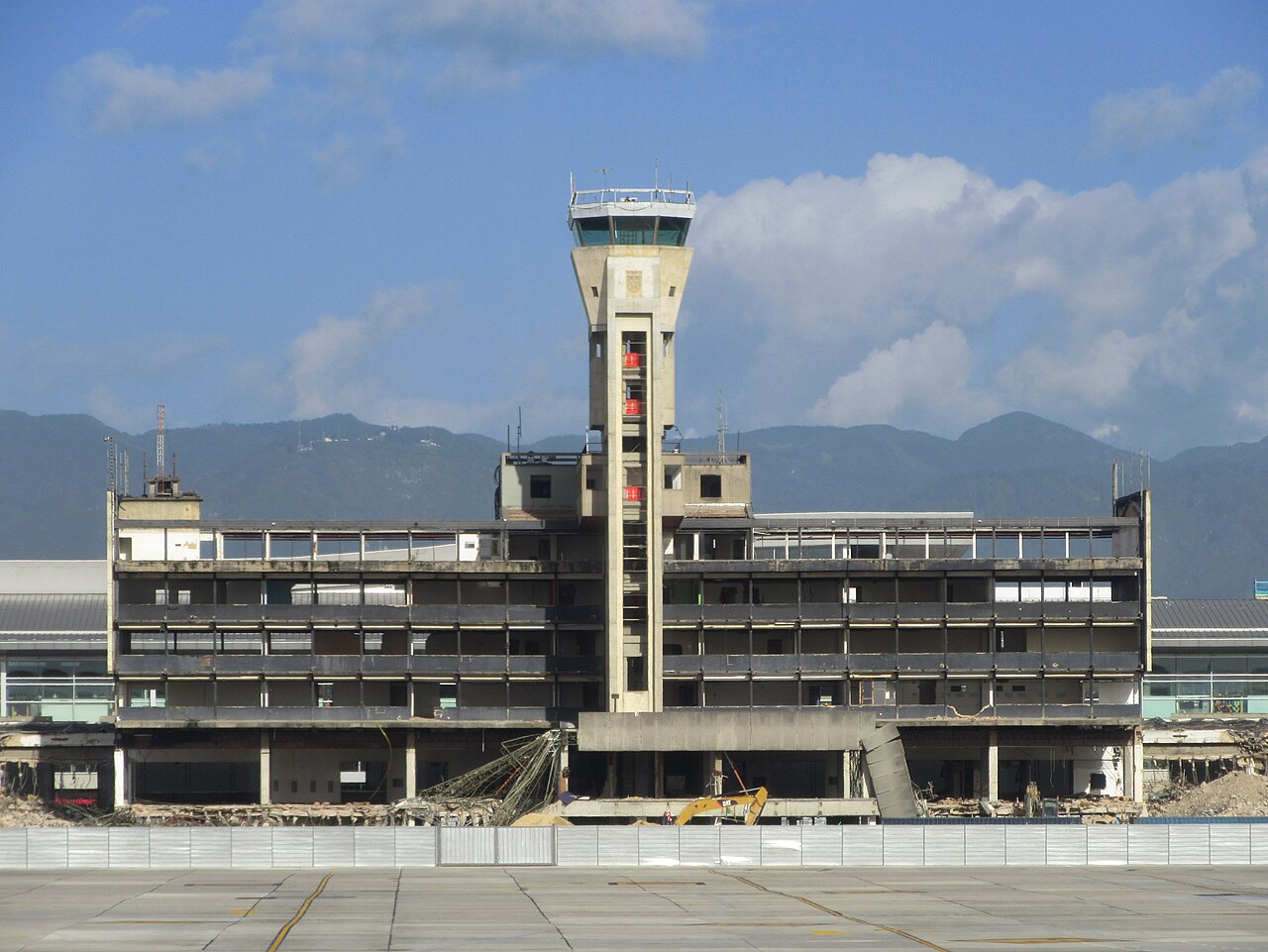
The Bogotá Control Center is the facility that tracks flights over a large part of Colombia. A radar display system is the set of screens and software that shows controllers where each aircraft is.
A Fault That Has Happened Before
On Monday, 31 August, Aerocivil reported an intermittent fault in the display system at the same Bogotá control center. It switched to procedural control, where controllers manage planes by route, position and altitude instead of radar images.
Aerocivil said then that this measure does not by itself suspend flights, and engineers were working on repairs. The union now points to repeated failures like these as the problem.
Other recent trouble includes a drone that halted flights at an airport serving Medellín in October, as we reported. The Wednesday fault adds a technical problem to that list.
What It Means for You
If you fly to Bogotá, Medellín or other Colombian cities, a radar or display fault can pause takeoffs and cause delays within hours. Check your airline’s app before leaving for the airport and keep a buffer on tight connections.
Colombia is linked to the United States by growing air routes, and a delay in Bogotá can ripple into onward trips across the country. See Frontier’s Orlando service starting 10 December and our explainer on Colombia and US relations.
What Is Not Known
Neither the union nor Aerocivil has said what caused the Wednesday fault or when it will be fixed for good. The union’s statement does not describe any collision, near-miss or injury.
It is also unclear whether Aerocivil will accept the union’s demands for new equipment and a change in management. The flight figures we have cover only Medellín and Rionegro, not Bogotá.
More: Latin America news in English, every day from The Rio Times.
Frequently Asked Questions
What happened to the radar in Bogotá on 4 November?
A fault in the radar display system at the Bogotá Control Center lasted about two hours, the controllers’ union says. Takeoffs were paused and flights were delayed or cancelled.
Is it safe to fly to Colombia?
Aerocivil says its contingency plans exist to keep aircraft apart and flights safe during a fault. The controllers’ union calls repeated failures a latent risk and wants lasting fixes.
What are Colombia’s air traffic controllers asking for?
They want permanent hardware and software upgrades, regular preventive maintenance and technically qualified senior managers at Aerocivil. They say they have filed petitions and reports with the agency.
What should travelers do during a delay?
Aerocivil advises passengers to contact their airline for the current status of flights and itineraries. Checking the airline app before leaving for the airport avoids a wasted trip.
Sources: ACDECTA (Colombian Association of Air Traffic Controllers), public statement, 4 November 2026; Aerocivil (Colombia’s civil aviation authority), operations notices, 4 November and 31 August 2026.
This article was produced by The Rio Times’ automated newsroom system. How we use AI · Report an error · Editorial responsibility: Matthias Camenzind, Editor-in-Chief