Colombia’s Congress Sends Petro’s 2027 Budget Back to the Drawing Board
Colombia · Economy
Key Facts
- Budget returned Colombia’s Congress sent the proposed 2027 budget back to the Finance Ministry over a COP 30.2 trillion (about US$7.5 billion) financing gap.
- Initial amount The original proposal was worth about COP 575.6 trillion (approximately US$144 billion).
- Tax reform The government wanted to cover the shortfall with a new tax reform, which Congress has not approved.
- New deadline The Finance Ministry will resubmit the budget on August 26, 2026; the legal deadline is August 30.
- Committee stage Economic committees must set the final amount by September 15, 2026.
- First debate The first debate in Congress must be completed by September 25, 2026.
- Final approval Congress must approve the 2027 budget by October 20, 2026.
The real test here isn’t arithmetic — it’s whether President Petro can persuade lawmakers to back a tax hike before the clock runs out. For anyone watching Colombia’s fiscal discipline, this is the clearest signal yet of how hard that will be.
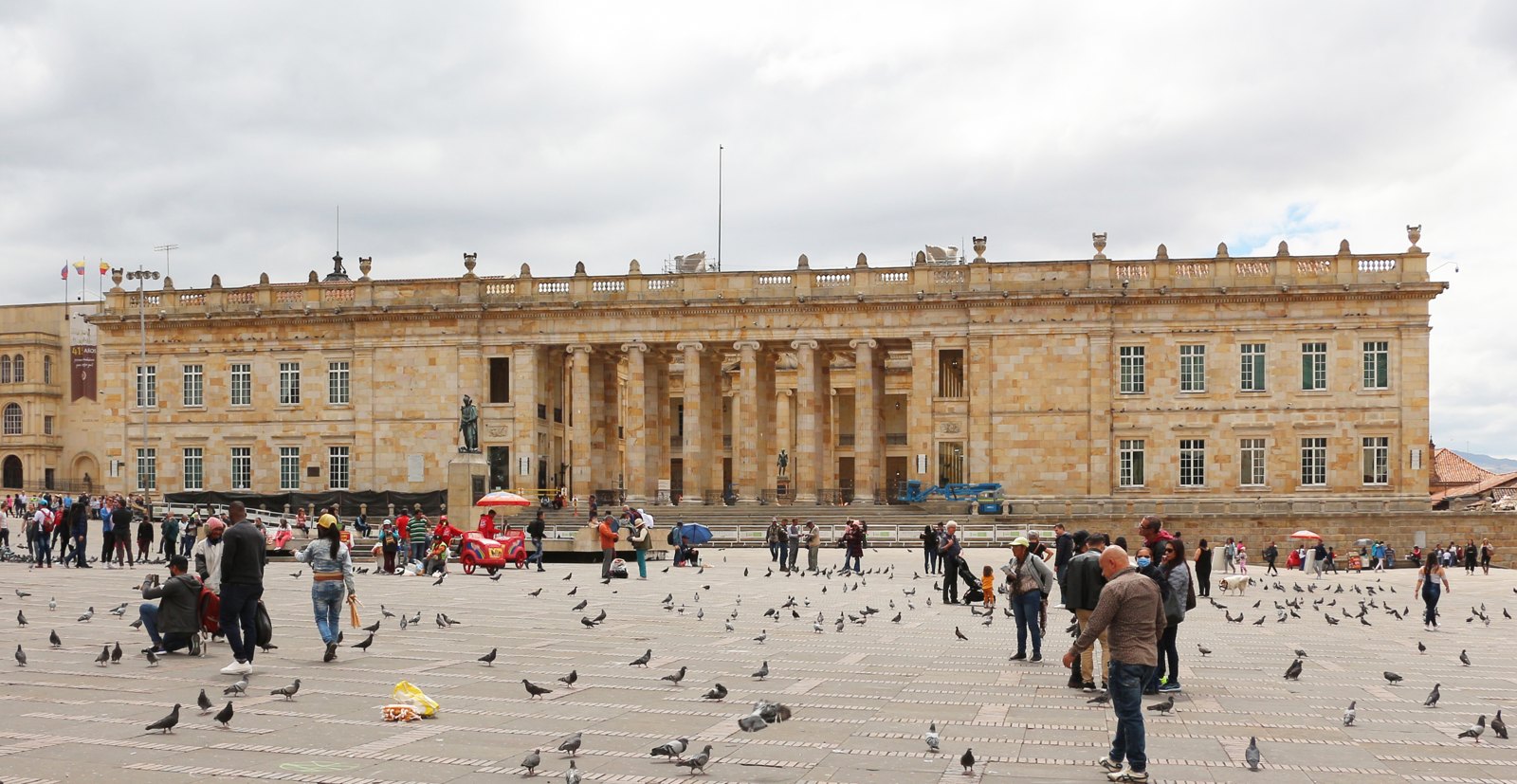
If you’re following Colombia’s economy from abroad, you just watched Congress hand President Gustavo Petro’s government a rare and public defeat. Lawmakers sent the proposed 2027 budget back to the Finance Ministry.
It contained a COP 30.2 trillion (about US$7.5 billion) hole. The administration wanted to fill that hole with a tax reform Congress hasn’t passed.
That means Colombia’s 2027 budget — originally set at about COP 575.6 trillion (roughly US$144 billion) — is now in limbo. The government has promised to resubmit it on August 26.
That is just days before the legal deadline of August 30. The next few weeks will determine whether Petro can push through his spending plan.
Or he’ll have to cut programs and delay projects.
Why Congress pushed back
The rejection wasn’t a procedural hiccup; it was a political statement. The government submitted a budget that assumed lawmakers would approve a new tax reform.
That reform would raise about COP 30.2 trillion (US$7.5 billion).
But Congress has shown little appetite for new taxes, especially in an election year. By returning the entire budget, lawmakers effectively told the Finance Ministry: come back with a plan.
That plan must not rely on legislation that may never pass.
This is not how the process usually works. Normally, the government presents a budget, Congress debates the numbers, and the final version gets approved with adjustments.
Sending the whole proposal back is a blunt instrument — and it signals that Petro’s coalition is fraying.
The finance minister, who committed to the August 26 resubmission, is trying to buy time. But the calendar is tight, and every week of delay makes it harder to meet the September and October deadlines.
What happens next in the budget timeline
The government will resubmit the budget on August 26, 2026, four days before the legal cutoff. After that, the economic committees of both houses must set the exact amount by September 15.
The first full debate must happen by September 25, and Congress has until October 20 to give final approval.
If those dates slip, the government could face a constitutional crisis — or be forced to operate on the previous year’s budget. That would freeze new spending.
For investors and expats, the key date is September 15. That’s when the committees will reveal whether they’ve cut spending, found new revenue, or simply kicked the can down the road.
If they approve a smaller budget, expect cuts in infrastructure, social programs, or security spending. If they approve the same amount without a tax reform, the deficit will grow — and that could put pressure on the peso and on Colombia’s sovereign credit rating.
Why this matters for anyone in Latin America
Colombia is one of Latin America’s largest economies, and its budget process is a bellwether for fiscal policy across the region. If Petro can’t pass a tax reform, it signals that even left-leaning governments face real limits on raising revenue.
That has ripple effects: from the cost of Colombian bonds to the price of importing goods, and from the stability of the peso to the pace of foreign investment in mining, energy, and real estate.
For expats and nomads living in Colombia, the practical impact is simpler: public services, from healthcare to road maintenance, depend on this budget. A delayed or reduced budget means slower approvals for permits, postponed public works, and possibly higher local taxes to make up the shortfall.
For investors, it’s a reminder that political risk in Colombia isn’t just about elections — it’s about whether the government can actually govern and pay its bills.
The road ahead for Petro’s fiscal plan
The government’s decision to resubmit on August 26 rather than wait until the last day is a small concession to Congress, but it doesn’t solve the underlying problem. Petro still needs about COP 30.2 trillion (US$7.5 billion) from somewhere.
Options include cutting spending, raising taxes through a different mechanism, or borrowing more — each with its own political cost. The finance minister has not yet said which path he’ll choose.
What’s clear is that the clock is ticking. Between August 26 and October 20, the government must manage committee votes, floor debates, and possible amendments.
If the budget is approved with a smaller amount, Petro’s agenda will shrink. If it’s approved with new taxes, expect protests from business groups.
Either way, Colombia’s 2027 budget will look very different from what the president originally proposed — and that’s exactly what Congress intended when it sent it back.
More: Colombia news in English, every day from The Rio Times.
Frequently Asked Questions
Why did Congress return the 2027 budget?
Congress returned it because the government proposed a budget with a COP 30.2 trillion (about US$7.5 billion) financing gap. That gap depended on a tax reform lawmakers haven’t approved.
Rather than approve an unbalanced budget, Congress sent it back to the Finance Ministry for revisions.
What is the new deadline for the budget?
The government will resubmit the budget on August 26, 2026. The legal deadline is August 30.
After that, committees must set the amount by September 15. The first debate must happen by September 25, and Congress must approve the final budget by October 20.
What happens if Congress doesn’t approve the budget on time?
If Congress misses the October 20 deadline, the government may have to operate on the previous year’s budget. That would freeze new spending and delay projects.
That scenario is rare but would signal a major breakdown between Petro and Congress.
Connected Coverage
Sources: Colombian Congress; Ministry of Finance; El Espectador; La República, August 2026.
This article was produced by The Rio Times’ automated newsroom system. How we use AI · Report an error
Read More from The Rio Times