IBOV 185,629.04 ▼ 0.93% IPSA 11,370.36 ▼ 0.39% IPC MEX 64,814.97 ▼ 0.39% MERVAL 3,110,163 ▲ 1.11% COLCAP 2,584.02 ▲ 0.57% BVL PERÚ 60,246.14 ▲ 0.76% USD/BRL5.11▼ 0.07% USD/MXN16.91▲ 0.09% USD/CLP927.21▼ 0.05% USD/COP3,100▼ 0.54% USD/PEN3.35▼ 0.19% USD/ARS1,514▲ 0.12% USD/UYU40.22▲ 3.03% USD/PYG5,869▲ 1.64% USD/BOB12.58▲ 3.76% USD/DOP58.63▲ 2.14% USD/CRC448.95▲ 2.03% USD/GTQ7.63▲ 3.05% USD/HNL26.84▲ 3.17% USD/NIO36.62▲ 0.34% USD/VES825.67▲ 0.80% USD/PAB1.00— 0.00% USD/BZD2.00— 0.00% USD/JMD 157.28 — 0.00% USD/TTD6.70▲ 1.87% EUR/BRL5.94▲ 0.63% BRENT 88.88 ▼ 0.03% WTI 83.11 ▼ 0.11% IRON ORE 161.91 — — COPPER 6.61 ▲ 0.03% GOLD 4,461 ▲ 1.78% SILVER 65.59 ▲ 1.26% SOY 1,184 ▲ 3.20% CORN 480.50 ▲ 10.02% WHEAT 655.00 ▲ 3.93% COFFEE 317.25 ▼ 5.51% SUGAR 16.43 ▼ 1.79% ORANGE JUICE 138.55 ▼ 0.47% COTTON 85.03 ▲ 2.33% COCOA 5,719 ▲ 3.18% BEEF 223.60 ▼ 3.93% CATTLE 339.10 ▼ 3.16% LITHIUM 75.20 ▲ 1.47% PETR4 41.64 ▼ 0.05% VALE3 72.97 ▲ 0.83% ITUB4 38.60 ▼ 1.03% BBDC4 16.85 ▲ 0.36% ABEV3 14.89 ▼ 0.80% BBAS3 19.37 ▲ 0.47% B3SA3 14.26 ▼ 0.21% WEGE3 47.59 ▲ 0.49% PRIO3 59.14 ▼ 0.19% SUZB3 41.33 ▲ 2.35% RENT3 34.68 ▼ 0.09% AZZA3 15.89 ▼ 2.63% CSAN3 3.22 ▼ 1.83% RAIZ4 0.25 — 0.00% PCAR3 2.75 ▼ 0.36% GMAT3 3.65 ▼ 1.08% PSSA3 48.13 ▼ 0.54% CVCB3 1.33 ▼ 2.92% POSI3 3.36 ▲ 2.44% SLCE3 13.34 ▲ 0.30% NATU3 8.14 ▼ 0.73% IBOV 185,629.04 ▼ 0.93% IPSA 11,370.36 ▼ 0.39% IPC MEX 64,814.97 ▼ 0.39% MERVAL 3,110,163 ▲ 1.11% COLCAP 2,584.02 ▲ 0.57% BVL PERÚ 60,246.14 ▲ 0.76% USD/BRL 5.16 ▲ 0.01% USD/MXN 17.06 ▼ 0.24% USD/CLP 913.98 ▲ 0.04% USD/COP 3,140 ▲ 0.03% USD/PEN 3.36 ▼ 0.66% USD/ARS 1,493 ▲ 0.10% USD/UYU 40.27 ▲ 1.24% USD/PYG 5,939 ▲ 1.68% USD/BOB 11.64 ▼ 0.76% USD/DOP 58.34 ▲ 1.25% USD/CRC 445.92 ▲ 0.89% USD/GTQ 7.62 ▲ 2.21% USD/HNL 26.79 ▲ 1.57% USD/NIO 36.62 ▲ 0.69% USD/VES 762.44 ▼ 0.13% USD/PAB 1.00 — 0.00% USD/BZD 2.00 — 0.00% USD/JMD 157.28 — 0.00% USD/TTD 6.70 ▲ 0.61% EUR/BRL 5.95 ▲ 1.01% BRENT 88.88 ▼ 0.03% WTI 83.11 ▼ 0.11% IRON ORE 161.91 — — COPPER 6.61 ▲ 0.03% GOLD 4,461 ▲ 1.78% SILVER 65.59 ▲ 1.26% SOY 1,184 ▲ 3.20% CORN 480.50 ▲ 10.02% WHEAT 655.00 ▲ 3.93% COFFEE 317.25 ▼ 5.51% SUGAR 16.43 ▼ 1.79% ORANGE JUICE 138.55 ▼ 0.47% COTTON 85.03 ▲ 2.33% COCOA 5,719 ▲ 3.18% BEEF 223.60 ▼ 3.93% CATTLE 339.10 ▼ 3.16% LITHIUM 75.20 ▲ 1.47% PETR4 41.64 ▼ 0.05% VALE3 72.97 ▲ 0.83% ITUB4 38.60 ▼ 1.03% BBDC4 16.85 ▲ 0.36% ABEV3 14.89 ▼ 0.80% BBAS3 19.37 ▲ 0.47% B3SA3 14.26 ▼ 0.21% WEGE3 47.59 ▲ 0.49% PRIO3 59.14 ▼ 0.19% SUZB3 41.33 ▲ 2.35% RENT3 34.68 ▼ 0.09% AZZA3 15.89 ▼ 2.63% CSAN3 3.22 ▼ 1.83% RAIZ4 0.25 — 0.00% PCAR3 2.75 ▼ 0.36% GMAT3 3.65 ▼ 1.08% PSSA3 48.13 ▼ 0.54% CVCB3 1.33 ▼ 2.92% POSI3 3.36 ▲ 2.44% SLCE3 13.34 ▲ 0.30% NATU3 8.14 ▼ 0.73%
since 2009
Thursday, September 10, 2026

Christian Communities in Mali Face Religious Tax Amid Rising Extremism

By · November 6, 2024 · 2 min read

The LatAm Brief

One email, every weekday morning. What moved in Latin American markets, politics and expat life.

Yesterday’s subject line: “YPF sells US$1.2bn bond, Argentina's biggest since 2015”

Free. We send a confirmation link first — nothing arrives until you click it. Unsubscribe with one click in any edition. If you stop opening us for 30 days we stop sending by ourselves, as we assume the interest is no longer there. See our privacy policy. We never share your email.

In Mali’s Mopti region, Christian villagers confront a new challenge. Islamist groups have imposed a religious tax on non-Muslims. This development marks a shift in the ongoing religious tensions in the West African nation.

The jizya tax, imposed on Christians over 18 in Douna-Pen and Dougouténé, demands 25,000 CFA Francs per adult. This $40 levy weighs heavily on villagers’ finances. It consumes nearly 10% of the average post-tax monthly income, soaring to 40% for rural residents earning far less than their urban counterparts.

Aid to the Church in Need (ACN) brought this situation to light. The Catholic charity warns of potential spread to other areas. They fear this practice could become widespread across Mali, threatening religious minorities.

Jizya has historical roots in Islamic societies. It was traditionally levied on non-Muslims in Muslim-ruled states. However, its modern application often deviates from historical norms. Extremist groups now use it as a tool for oppression and financial gain.
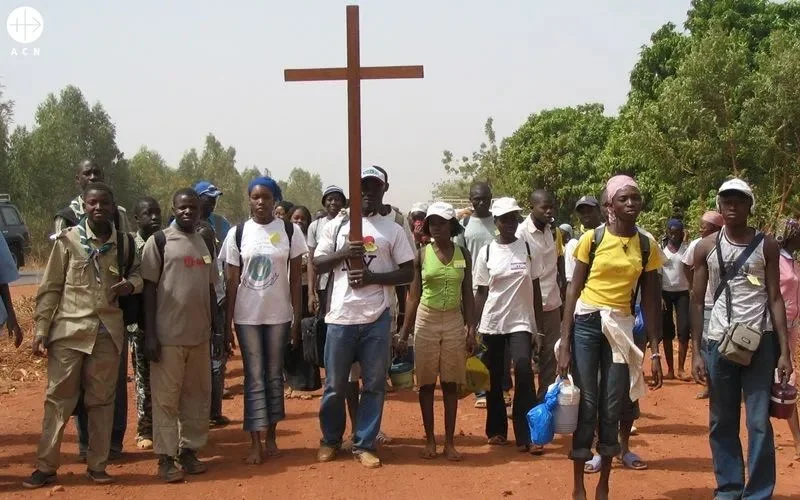
Christian Communities in Mali Face Religious Tax Amid Rising Extremism.
One-stop reference
Company Intelligence
Every listed company in Latin America — financials, ownership and structure for 1,450+ companies across 26 exchanges, in one place.
Browse the directory →
RT
Ask Rio Times
17 years of Latin America reporting, on demand.
Open the full Ask Rio Times →

The imposition of this tax raises concerns about religious freedom. It effectively makes practicing Christianity conditional on payment. Some villagers reportedly face pressure to convert to Islam to avoid the tax. This creates a coercive environment for religious minorities.

Mali’s complex political landscape complicates the situation. The country has grappled with jihadist insurgencies since 2012. Northern and central regions have been particularly affected. Various Islamist groups seek control and impose strict interpretations of Sharia law.

The jizya tax places a heavy financial burden on already vulnerable communities. It deepens divisions between religious groups and erodes trust in the government. Local sources call for immediate action from Malian authorities to address this issue.

Christian Communities in Mali Face Religious Tax Amid Rising Extremism

This situation in Mali is not unique in the region. Similar practices have been reported in neighboring Niger. Across the Sahel, extremist groups affiliated with Al-Qaeda and Islamic State expand their influence. They often target Christian communities in their operations.

International organizations like ACN work to raise awareness and provide support. However, Mali’s complex security situation makes intervention challenging. Political instability and limited state control in certain regions further complicate matters.


This article was produced by The Rio Times’ automated newsroom system. How we use AI · Report an error

Read More from The Rio Times

The Rio Times · Power Map
See who really holds power in Latin America
Click to open the Power Map

Rotate for Best Experience

This report is optimized for landscape viewing. Rotate your phone for the full experience.