Chile Loses 36th Regional Secretary in Six Months
CHILE · GOVERNMENT
Key Facts
- —Who is in charge José Antonio Kast, president of Chile since March 2026.
- —What happened Jorge Olivares, the regional housing secretary for Antofagasta, was asked to resign on 14 September.
- —Why it is a pattern He is the 36th seremi to go. Forty-six senior officials have now left the government.
- —What is a seremi A secretario regional ministerial: a ministry’s senior representative in one of Chile’s 16 regions. Roughly a regional deputy minister.
- —The same day Kast issued an optimistic recorded address. It made no mention of fuel prices or of his approval rating.
- —What he did say In a separate radio interview the same day he blamed the fuel price rise and unemployment for his falling numbers.
Chile’s government has lost 46 senior officials in six months. On Monday it lost the 36th regional secretary.

Jorge Olivares, the regional housing secretary for Antofagasta, was asked to resign on 14 September. He is the 36th seremi to leave the Chilean government since it took office in March.
The Count
Forty-six senior officials have departed the Kast government since March 2026.
The breakdown is three ministers, six subsecretaries, 36 regional ministerial secretaries and one presidential delegate.
That tally is kept by Chilean media rather than by the government, which does not publish a running count.
Olivares held the housing portfolio in Antofagasta, Chile’s mining region in the north.
What a Seremi Does
Chile divides its territory into 16 regions. Each ministry appoints a secretario regional ministerial to represent it in each one.
The seremi is the ministry in that region. They approve projects, run programmes and answer to both the regional governor and the national minister.
There are therefore well over 200 of them at any time. Losing 36 in six months is a turnover rate above one in six.
The posts are political appointments and can be ended without cause, which is what makes the number possible.
Two Messages on the Same Day
On 14 September the president released a recorded address, a cadena digital, setting out the government’s progress.
It was optimistic in tone. It did not mention the fuel price increase, and it did not mention his approval rating.
In a separate interview with Radio Agricultura the same day, he addressed both directly.
He attributed the decline in his numbers to the bencinazo, the sharp rise in petrol prices, and to unemployment.

The Bencinazo
Chilean fuel prices are smoothed by a stabilisation mechanism that caps weekly movements. When the underlying price rises far enough, the mechanism runs out of room.
Brent crude reached US$109.44 this week after a Saudi pipeline was suspended. Chile imports essentially all of its oil.
For Chilean households, fuel is a larger share of spending than in most of the region. Distances are long and rail is limited.
A government six months old inherits the stabilisation fund it did not design and pays for prices it does not set.
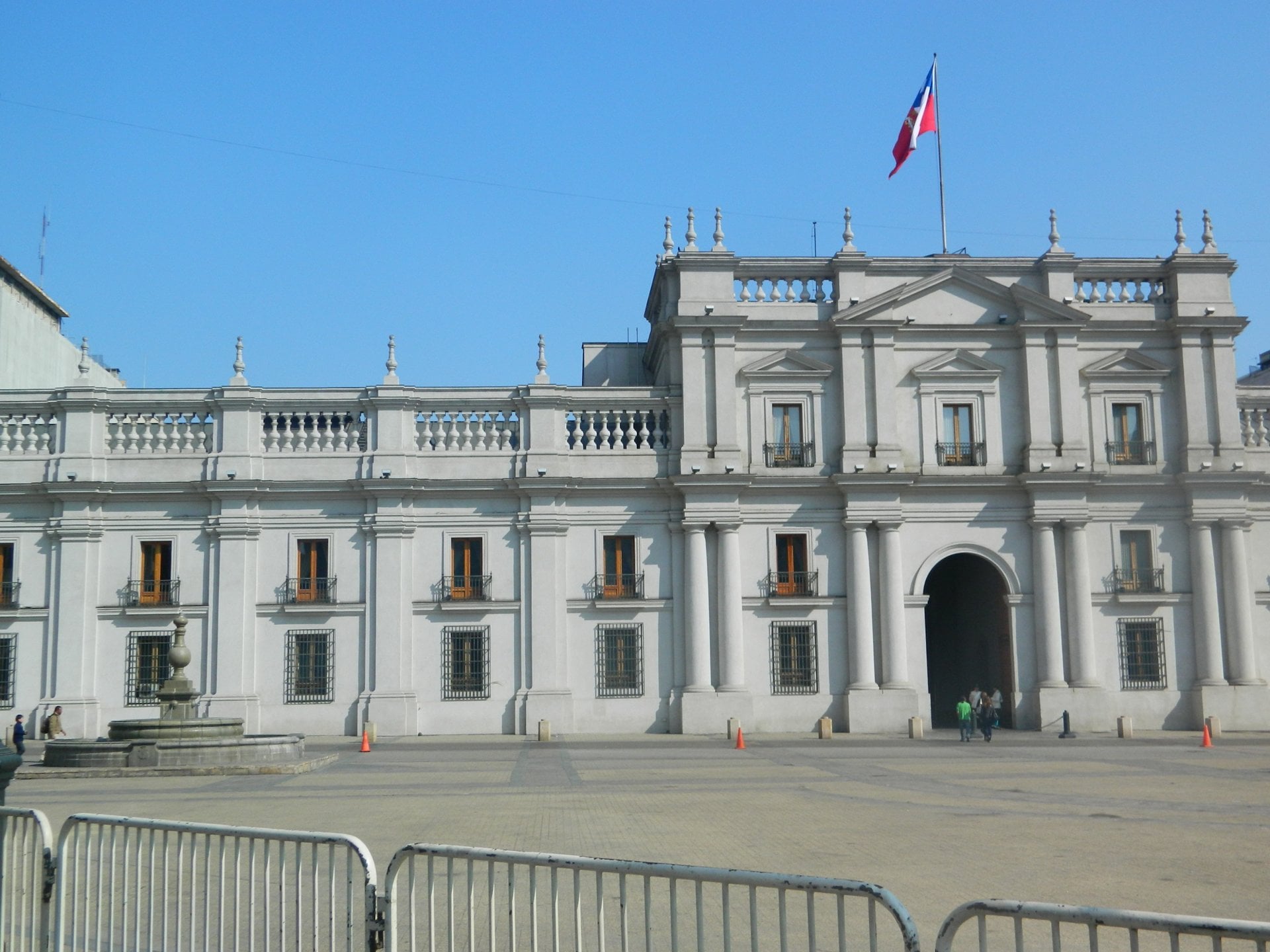
Six Months In
Kast took office on 11 March 2026 after winning on a platform of security, migration control and fiscal restraint.
The security agenda has moved fastest, with increased deployment on the northern border.
The economic agenda has been harder. Chilean unemployment has remained stubborn and copper revenue, the state’s largest single source, fluctuates with Chinese demand.
Six months is early. It is also long enough for the pattern of appointments and departures to be visible.
Why Turnover at This Level Matters
A seremi signs off on regional housing subsidies, permits and programme funding. An empty post slows all of it.
Antofagasta specifically has a housing shortage tied to mining employment and to migration from the north.
Replacing a seremi requires ministerial appointment rather than any confirmation process, so the vacancies are usually short.
The cumulative effect is on institutional memory rather than on any single decision.
What to Watch
Whether the departure rate slows now that the government has passed its first six months.
The next approval poll, which will show whether the bencinazo explanation holds.
The 2027 budget, which the Chilean government must submit by the end of September.
And the copper price, which determines how much room any Chilean government has to spend.
More: Chile news, every day from The Rio Times.
Frequently Asked Questions
Who resigned in Chile on 14 September?
Jorge Olivares, the regional housing secretary (seremi) for Antofagasta.
How many officials have left the Kast government?
Forty-six since March 2026: three ministers, six subsecretaries, 36 seremis and one presidential delegate.
What is a seremi?
A secretario regional ministerial, a ministry’s senior representative in one of Chile’s 16 regions.
What is the bencinazo?
The sharp rise in Chilean petrol prices. Kast blamed it, and unemployment, for his falling approval rating.
What did Kast say in his recorded address?
It was optimistic and made no mention of fuel prices or approval ratings. He addressed both in a separate radio interview the same day.
When did Kast take office?
11 March 2026.
Sources: Gobierno de Chile, Ministerio de Vivienda y Urbanismo, Radio Agricultura, La Tercera, Emol, Bloomberg.
This article was produced by The Rio Times’ automated newsroom system. How we use AI · Report an error
Read More from The Rio Times