Chief Raoni and Daughter of Chico Mendes Revive “Alliance of Forest Peoples”
RIO DE JANEIRO, BRAZIL – Close to four decades after environmental activist Chico Mendes founded the Alliance of Forest Peoples, a union between extrativists, riverside peoples, quilombolas (Afro-Brazilian settlements) and indigenous peoples to defend sustainable development in the Amazon, over 500 indigenous leaders gathered in the Piaraçu village, in the Capoto-Jarina Indigenous Land, in Mato Grosso, to revive common commitments.

Led by Cacique (Chief) Raoni and with the presence of Ângela Mendes, Chico’s daughter and president of the NGO that bears her father’s name, they intend to launch a manifesto in defense of the forest peoples, and demand a greater commitment to the environment and its advocates from Bolsonaro’s government.
Among those present were many of the leaders who took part in the 1980s movement, which guaranteed the participation of forest peoples in the post-democratization constituency.
“This meeting is not to plan a war, a conflict. We are here to defend our people, our cause, our land,” said Raoni, who last year was in Europe seeking support for the defense of the Amazon.
He met with Pope Francis and the French President Emmanuel Macron, and eventually became the target of President Jair Bolsonaro in his opening speech to the UN General Assembly, who called him a “henchman” of foreign governments.
“Bolsonaro, do beautiful things, do things right. Help your people. Help the indigenous people. You have been doing things aimed at destroying,” said the Kayapó chief during the meeting.
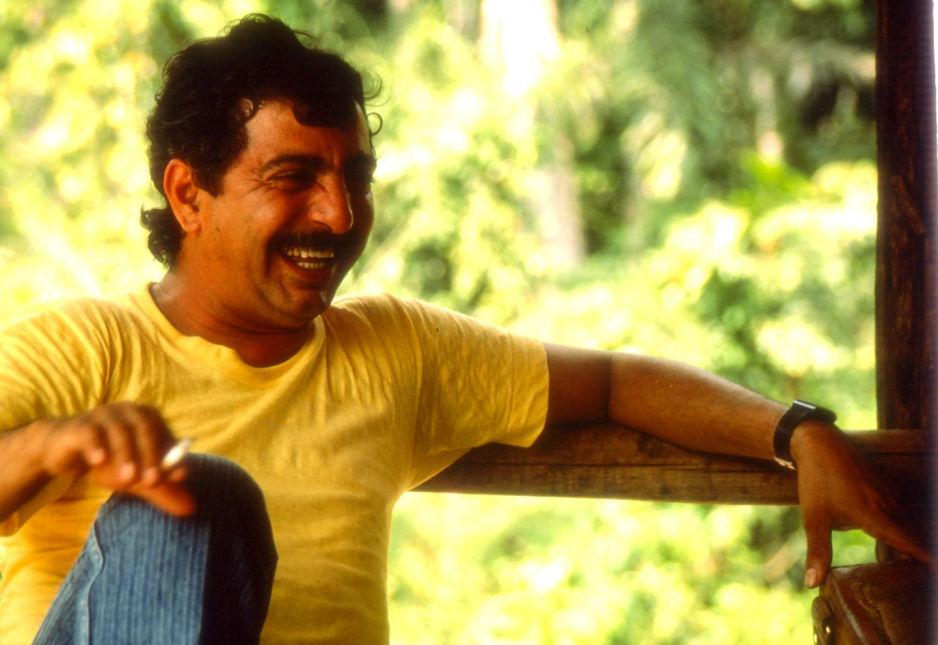
Angela was welcomed by some thirty Kayapó leaders. Her presence was announced to all by Raoni as “a person who honors her father’s legacy, the rubber tapper who died defending the forest”. Thrilled, she recalled the last years of her father’s life and established a comparison with the current moment: “My father said that the forest unites us in the face of common danger, but today it is the Government that treats us as if we were an enemy. We tried to reach the Government as soon as they took over, as was done with all the previous governments. But the bodies that were our interlocutors are closing their doors”, she said.
According to her, this is a “historic moment” of rapprochement of extractivists, indigenous and quilombolas. “This invitation came as respect for ancestry, which is a very important issue for indigenous peoples. I have come representing the struggle and the memory of my father, for the preservation of the forest. We are at a juncture of unifying forces and dialogue.”
This Friday, January 17th, the meeting’s closing day, an open letter will be sent to the Prosecutor’s Office and the National Congress.
Angela arrived at Piaraçu village alongside the president of the National Council of Rubber Tappers (CNS), Julio Barbosa. He was one of the rubber tappers who, along with Chico Mendes, met with indigenous leaders and quilombolas at the founding meeting of the Forest Peoples Alliance.
And he explains the relevance of the meeting: “Let’s talk about rebuilding the alliance of the forest peoples and the resumption of a common agenda”. Founded in the 1980s, the Alliance lost its founder less than a decade later.
Chico Mendes was assassinated in 1988, when the movement was at its crucial moment. “When Chico was murdered our struggle was at the peak of unity. Since then our achievements have been many. Our legacy is enormous. He died without seeing any recognized extractive reserves, today there are 682 territories. But particularly I, who have faced dozens of obstacles, thought that more than 30 years later I wouldn’t need to be doing all this again,” says Barbosa.
Organized crime
The meeting took place the same week that Human Rights Watch (HRW), an international human rights NGO, published its global report, in which it stated that the environmental policy of Bolsonaro gave “carte blanche” to criminal networks that work to destroy the forest. The organization also called on Justice Minister Sérgio Moro to include the Amazon in his policies to fight organized crime.
This past year, the first of Bolsonaro’s government, deforestation increased more than 80 percent between January and October 2019, compared to the same period in 2018.
Concurrently, the HRW report indicates that the number of fines for illegal deforestation issued by IBAMA fell 25 percent between January and September 2019 compared to the same period the previous year.
At least 160 cases of illegal logging, invasions and other infractions were reported in indigenous territories between January and September last year, the NGO pointed out.
More: Brazil news in English, every day from The Rio Times.
This article was produced by The Rio Times’ automated newsroom system. How we use AI · Report an error
Read More from The Rio Times