IBOV 188,268.59 ▲ 1.42% IPSA 11,238.63 ▼ 1.16% IPC MEX 64,479.96 ▼ 0.52% MERVAL 3,157,852 ▲ 1.53% COLCAP 2,626.71 ▲ 1.65% BVL PERÚ 60,702.89 ▼ 2.19% USD/BRL5.11▼ 0.05% USD/MXN16.98▲ 0.47% USD/CLP940.47▲ 1.38% USD/COP3,081▼ 1.14% USD/PEN3.35▼ 0.18% USD/ARS1,513▼ 0.08% USD/UYU40.24▲ 3.05% USD/PYG5,868▲ 2.26% USD/BOB12.36▲ 1.91% USD/DOP58.63▲ 0.22% USD/CRC447.58▲ 1.69% USD/GTQ7.63▲ 3.04% USD/HNL26.85▲ 0.57% USD/NIO36.62▲ 0.34% USD/VES830.41▲ 0.45% USD/PAB1.00— 0.00% USD/BZD2.00— 0.00% USD/JMD 157.28 — 0.00% USD/TTD6.73▲ 2.40% EUR/BRL5.93▲ 0.33% BRENT 88.88 ▼ 0.03% WTI 83.11 ▼ 0.11% IRON ORE 161.91 — — COPPER 6.61 ▲ 0.03% GOLD 4,461 ▲ 1.78% SILVER 65.59 ▲ 1.26% SOY 1,184 ▲ 3.20% CORN 480.50 ▲ 10.02% WHEAT 655.00 ▲ 3.93% COFFEE 317.25 ▼ 5.51% SUGAR 16.43 ▼ 1.79% ORANGE JUICE 138.55 ▼ 0.47% COTTON 85.03 ▲ 2.33% COCOA 5,719 ▲ 3.18% BEEF 223.60 ▼ 3.93% CATTLE 339.10 ▼ 3.16% LITHIUM 75.20 ▲ 1.47% PETR4 41.64 ▼ 0.05% VALE3 72.97 ▲ 0.83% ITUB4 38.60 ▼ 1.03% BBDC4 16.85 ▲ 0.36% ABEV3 14.89 ▼ 0.80% BBAS3 19.37 ▲ 0.47% B3SA3 14.26 ▼ 0.21% WEGE3 47.59 ▲ 0.49% PRIO3 59.14 ▼ 0.19% SUZB3 41.33 ▲ 2.35% RENT3 34.68 ▼ 0.09% AZZA3 15.89 ▼ 2.63% CSAN3 3.22 ▼ 1.83% RAIZ4 0.25 — 0.00% PCAR3 2.75 ▼ 0.36% GMAT3 3.65 ▼ 1.08% PSSA3 48.13 ▼ 0.54% CVCB3 1.33 ▼ 2.92% POSI3 3.36 ▲ 2.44% SLCE3 13.34 ▲ 0.30% NATU3 8.14 ▼ 0.73% IBOV 188,268.59 ▲ 1.42% IPSA 11,238.63 ▼ 1.16% IPC MEX 64,479.96 ▼ 0.52% MERVAL 3,157,852 ▲ 1.53% COLCAP 2,626.71 ▲ 1.65% BVL PERÚ 60,702.89 ▼ 2.19% USD/BRL 5.16 ▲ 0.01% USD/MXN 17.06 ▼ 0.24% USD/CLP 913.98 ▲ 0.04% USD/COP 3,140 ▲ 0.03% USD/PEN 3.36 ▼ 0.66% USD/ARS 1,493 ▲ 0.10% USD/UYU 40.27 ▲ 1.24% USD/PYG 5,939 ▲ 1.68% USD/BOB 11.64 ▼ 0.76% USD/DOP 58.34 ▲ 1.25% USD/CRC 445.92 ▲ 0.89% USD/GTQ 7.62 ▲ 2.21% USD/HNL 26.79 ▲ 1.57% USD/NIO 36.62 ▲ 0.69% USD/VES 762.44 ▼ 0.13% USD/PAB 1.00 — 0.00% USD/BZD 2.00 — 0.00% USD/JMD 157.28 — 0.00% USD/TTD 6.70 ▲ 0.61% EUR/BRL 5.95 ▲ 1.01% BRENT 88.88 ▼ 0.03% WTI 83.11 ▼ 0.11% IRON ORE 161.91 — — COPPER 6.61 ▲ 0.03% GOLD 4,461 ▲ 1.78% SILVER 65.59 ▲ 1.26% SOY 1,184 ▲ 3.20% CORN 480.50 ▲ 10.02% WHEAT 655.00 ▲ 3.93% COFFEE 317.25 ▼ 5.51% SUGAR 16.43 ▼ 1.79% ORANGE JUICE 138.55 ▼ 0.47% COTTON 85.03 ▲ 2.33% COCOA 5,719 ▲ 3.18% BEEF 223.60 ▼ 3.93% CATTLE 339.10 ▼ 3.16% LITHIUM 75.20 ▲ 1.47% PETR4 41.64 ▼ 0.05% VALE3 72.97 ▲ 0.83% ITUB4 38.60 ▼ 1.03% BBDC4 16.85 ▲ 0.36% ABEV3 14.89 ▼ 0.80% BBAS3 19.37 ▲ 0.47% B3SA3 14.26 ▼ 0.21% WEGE3 47.59 ▲ 0.49% PRIO3 59.14 ▼ 0.19% SUZB3 41.33 ▲ 2.35% RENT3 34.68 ▼ 0.09% AZZA3 15.89 ▼ 2.63% CSAN3 3.22 ▼ 1.83% RAIZ4 0.25 — 0.00% PCAR3 2.75 ▼ 0.36% GMAT3 3.65 ▼ 1.08% PSSA3 48.13 ▼ 0.54% CVCB3 1.33 ▼ 2.92% POSI3 3.36 ▲ 2.44% SLCE3 13.34 ▲ 0.30% NATU3 8.14 ▼ 0.73%
since 2009
Thursday, September 10, 2026

Africa Central Africa

Chad’s Surprising U-Turn: Welcoming Back U.S. Troops Amid Regional Turmoil

By · September 20, 2024 · 3 min read

Africa Intelligence

One email, every weekday morning. African markets, politics and business — filed from our newsroom in Rio.

Yesterday’s subject line: “Nigeria's Dangote signs for Africa's biggest IPO ever”

Free. We send a confirmation link first — nothing arrives until you click it. Unsubscribe with one click in any edition. If you stop opening us for 30 days we stop sending by ourselves, as we assume the interest is no longer there. See our privacy policy. We never share your email.

In a surprising twist of events, Chad has decided to bring back U.S. Special Forces troops. This move comes just five months after the country asked American forces to leave.

The decision reflects the complex and ever-changing landscape of U.S. military engagement in Africa. Chad’s President Mahamat Deby made the call to invite U.S. troops back after winning a recent election.

Maj. General Kenneth Ekman confirmed the agreement in an exclusive interview with VOA. The U.S. plans to return with a smaller operation than before, focusing on counterterrorism efforts.

This development stands in stark contrast to the broader trend of U.S. military withdrawal from the region. Niger, once home to major U.S. bases, recently expelled American forces.

Similar situations unfolded in Burkina Faso and Mali following coups that strained relations with the United States. Chad’s decision likely stems from growing security concerns in the region.
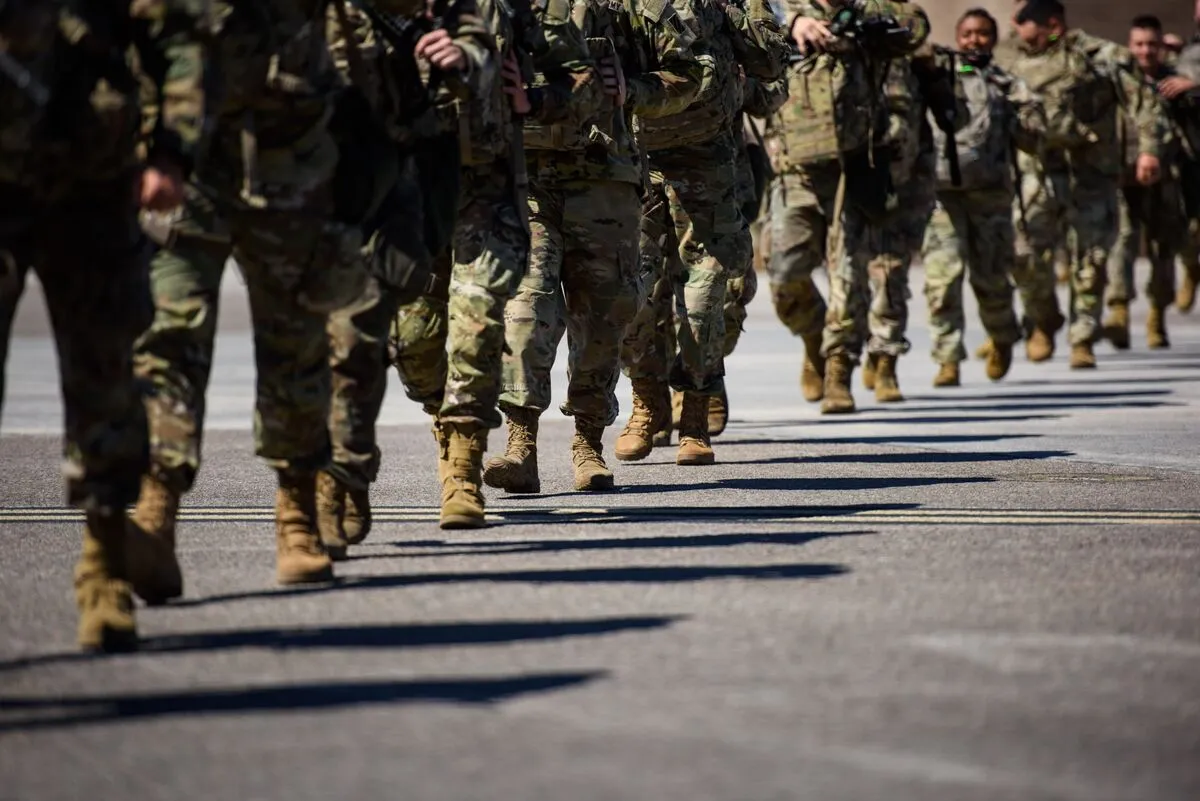
Chad's Surprising U-Turn: Welcoming Back U.S. Troops Amid Regional Turmoil
Chad’s Surprising U-Turn: Welcoming Back U.S. Troops Amid Regional Turmoil.
One-stop reference
Company Intelligence
Every listed company in Latin America — financials, ownership and structure for 1,450+ companies across 26 exchanges, in one place.
Browse the directory →
RT
Ask Rio Times
17 years of Latin America reporting, on demand.
Open the full Ask Rio Times →

The country faces increasing threats from Boko Haram and Islamic State militants around Lake Chad. With 11,000 troops dedicated to counterterrorism, Chad sees value in U.S. support and expertise.

The U.S. military now faces the challenge of adapting its strategy in West Africa. General Michael Langley, head of U.S. Africa Command, speaks of “resetting and recalibrating” in the region.

This approach may involve working more closely with willing partners and strengthening existing capabilities. However, not all countries in the region share Chad’s enthusiasm for U.S. military presence.

U.S. Strategic Adjustments in Africa

Ghana and Nigeria have made it clear they’re not interested in hosting American forces. This mixed reception complicates U.S. efforts to maintain influence and support counterterrorism initiatives.

The situation highlights the delicate balance of international relations in Africa. As the U.S. recalibrates its approach, other global powers like Russia seek to expand their influence.

However, this shifting dynamic carries significant implications for regional security and international diplomacy. U.S. officials acknowledge the limitations of their current approach.

They recognize that addressing the root causes of terrorism requires more than military solutions. Diplomatic and economic strategies play crucial roles in fostering long-term stability and security.

The withdrawal from Niger has created challenges for U.S. intelligence gathering and counterterrorism efforts. The region has become “more opaque,” according to Maj. General Ekman.

This reduced visibility hampers the ability to monitor and respond to emerging threats effectively. Despite these setbacks, U.S. military officials remain optimistic about future cooperation with regional partners.

They emphasize the importance of shared security objectives, even in the absence of a physical troop presence. The door remains open for renewed partnerships as circumstances evolve.

Chad’s decision to welcome back U.S. troops serves as a reminder of the fluid nature of international alliances. It underscores the ongoing importance of military cooperation in addressing shared security concerns.

In short, as the situation continues to unfold, all eyes will be on how the U.S. adapts its strategy in this volatile region.

This article was produced by The Rio Times’ automated newsroom system. How we use AI · Report an error

Part of our ongoing coverage

Africa: The New Scramble — the great-power contest over the continent.

More from Northern Africa

Read More from The Rio Times

The Rio Times · Power Map
See who really holds power in Latin America
Click to open the Power Map

Rotate for Best Experience

This report is optimized for landscape viewing. Rotate your phone for the full experience.